Day 17 Follafoss - Trondheim
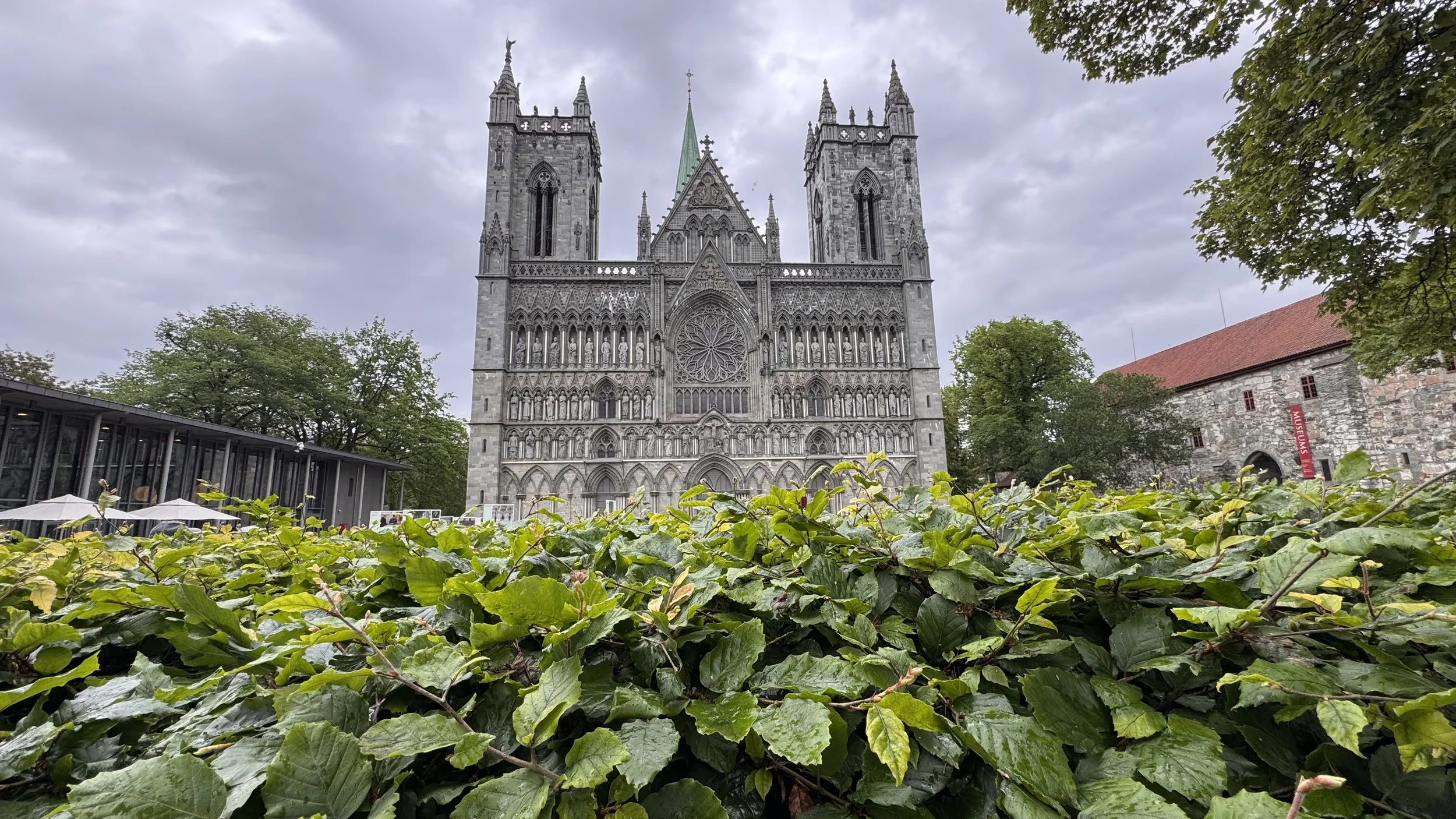
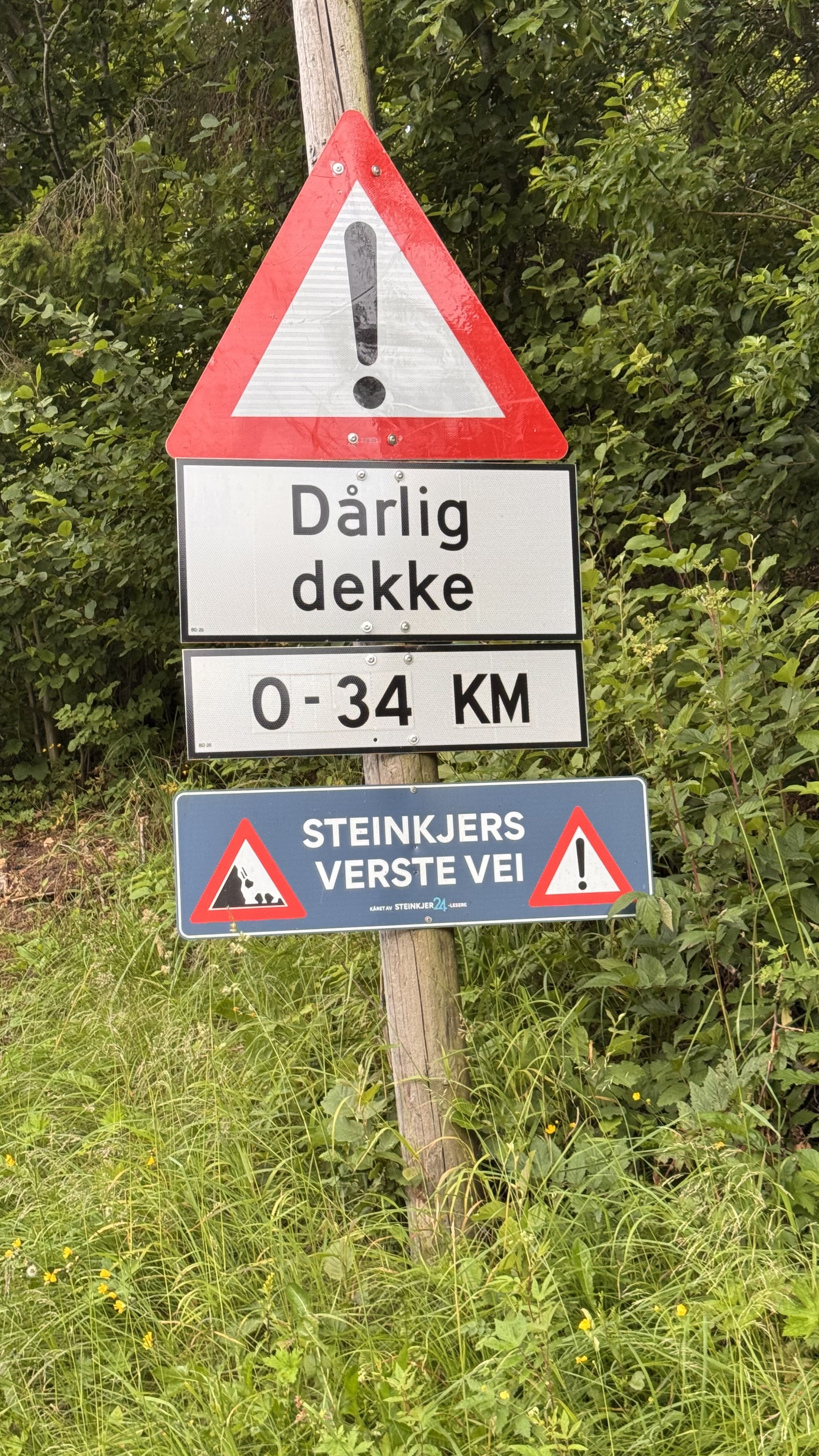
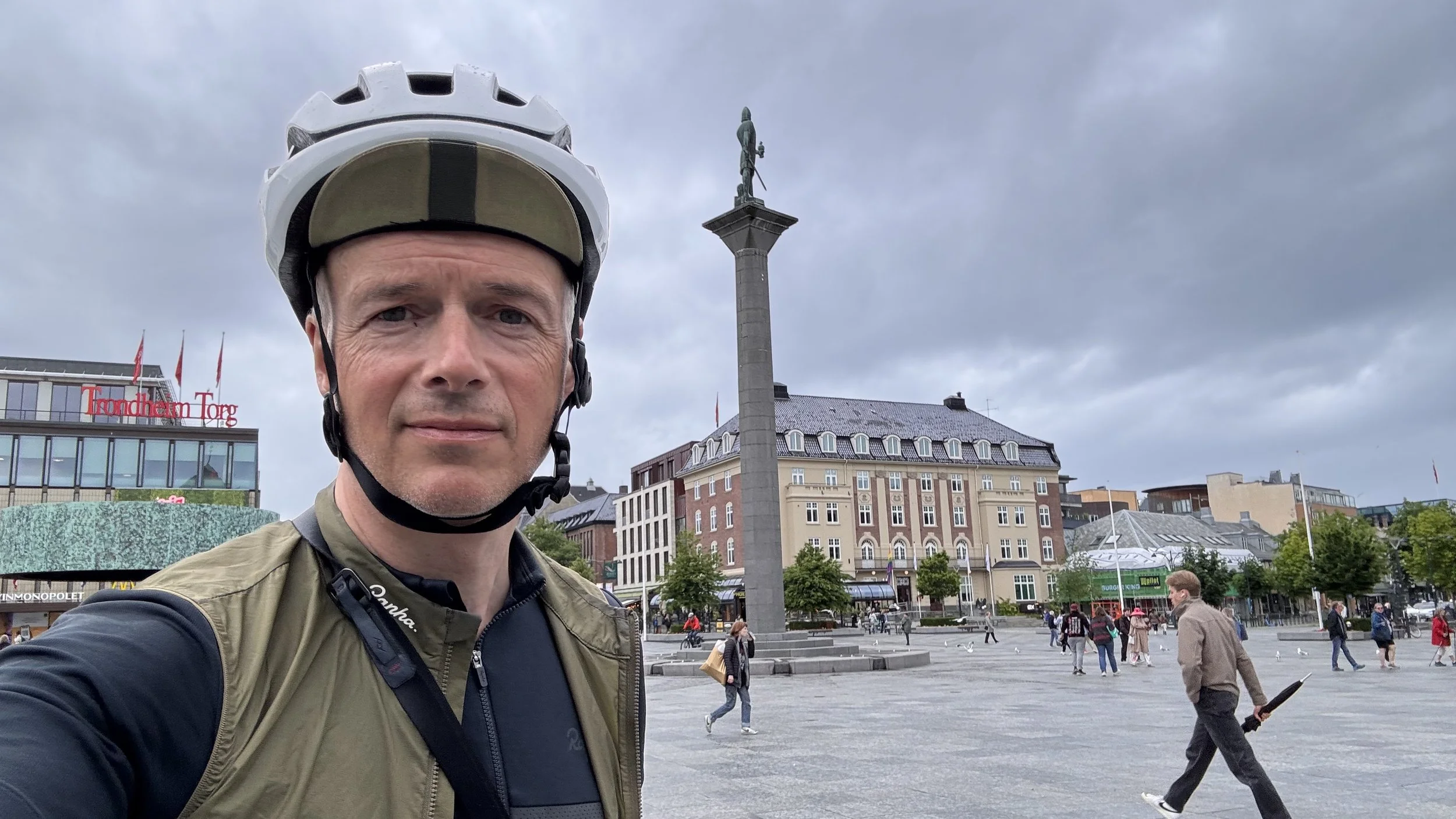
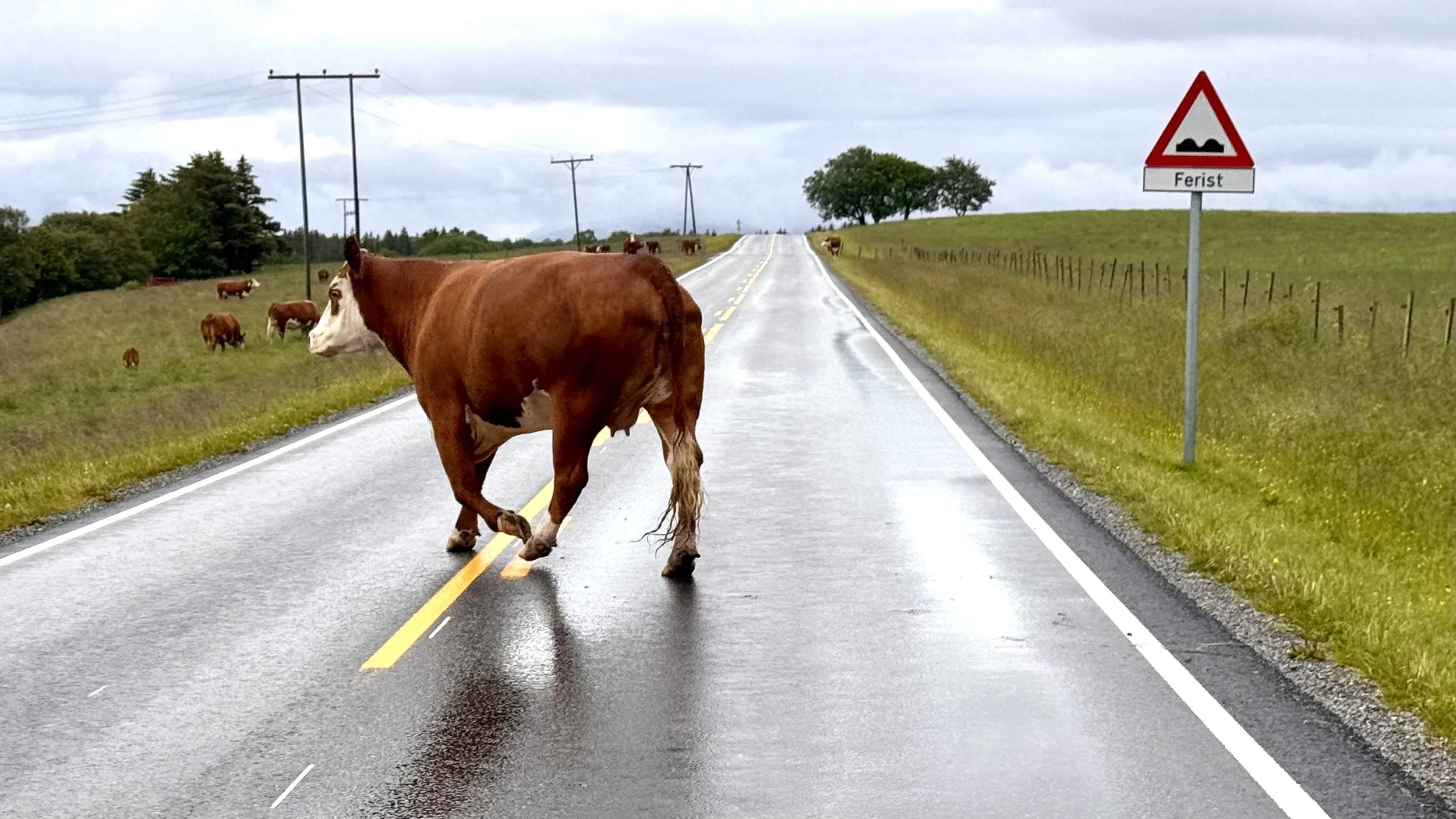
All right! Finally here. Last day actually became one of the hardest. Miscalculated food inventory and had not taken into account the desolate stretch ahead of me. Had to bike for almost five hours after a thin breakfast before I got proper food. And it rained all the time. Sort of hilarious. In retrospective. Feels amazingly good to be in Trondheim and installed in Helles place for a couple of days before I get on the train back to Oslo.
Day 16 Kolvereid - Follafoss
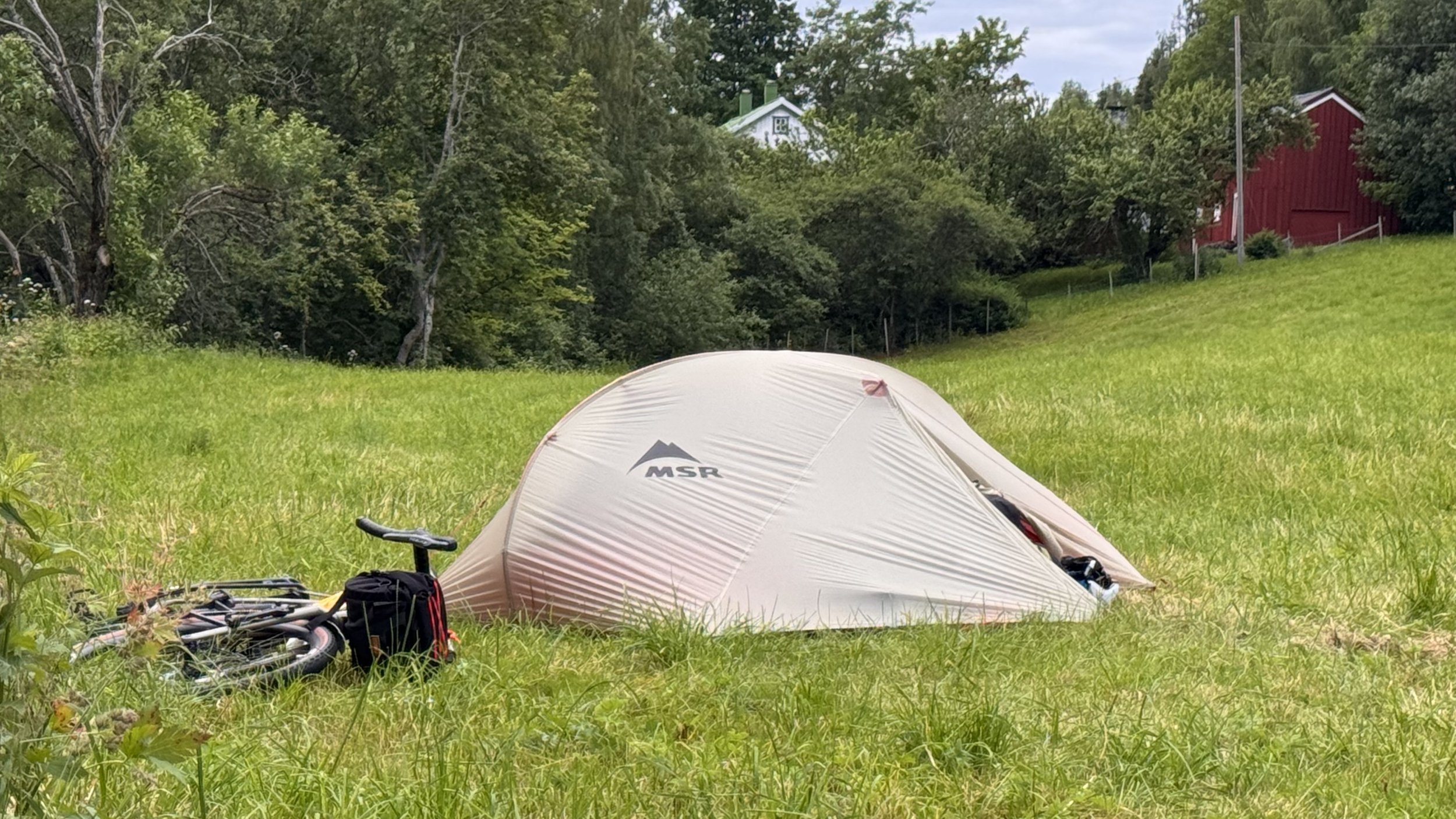
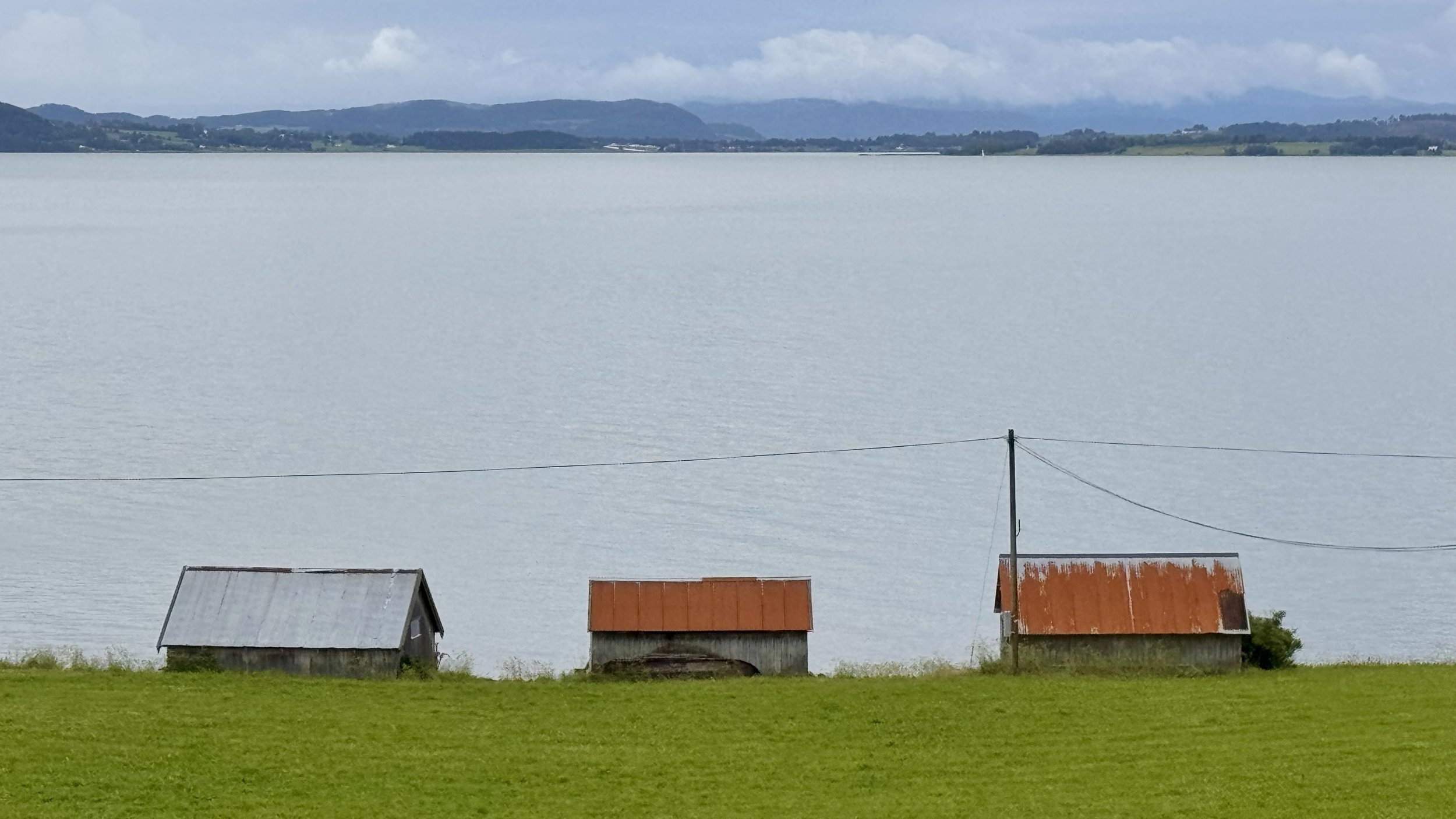
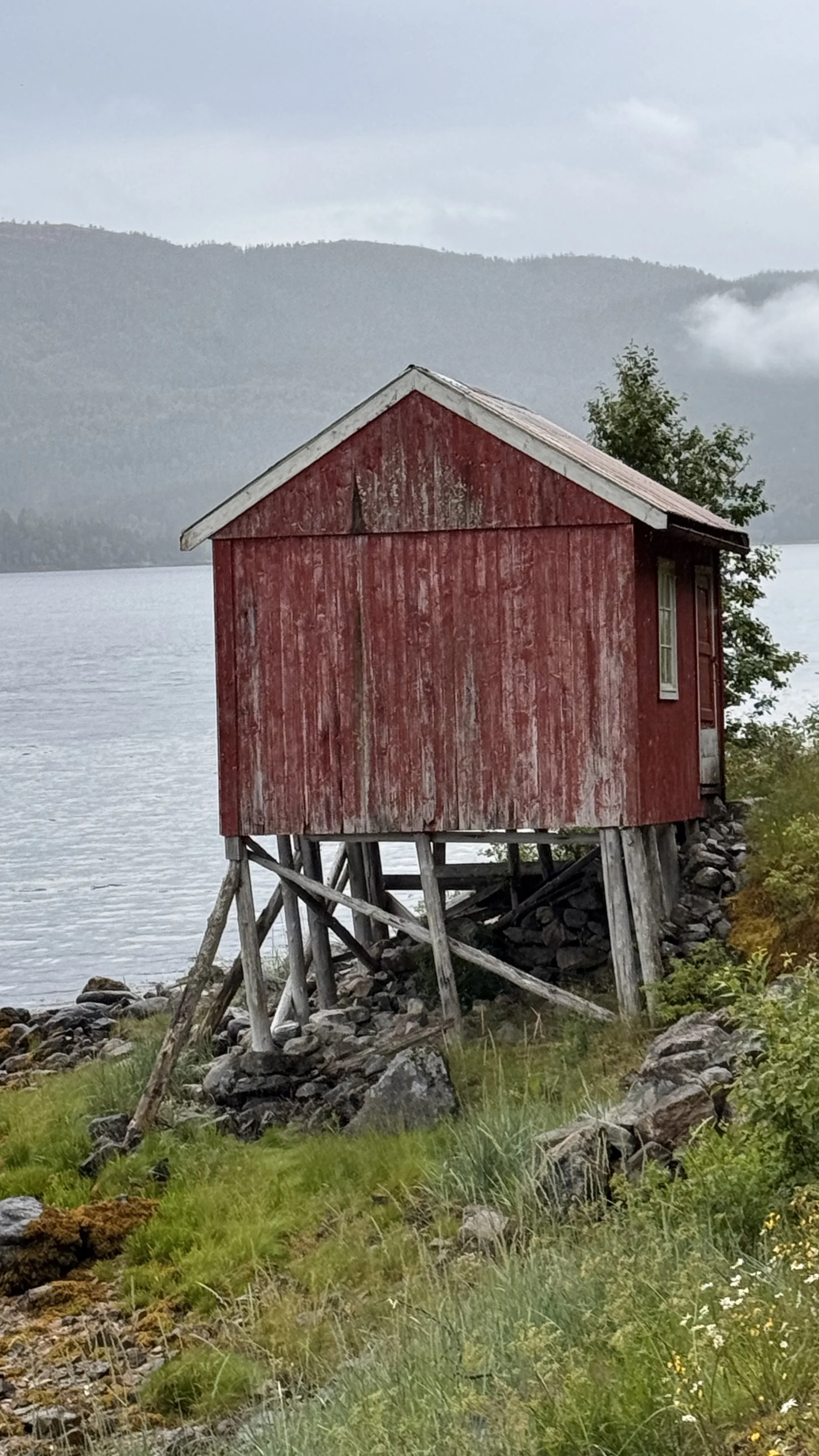
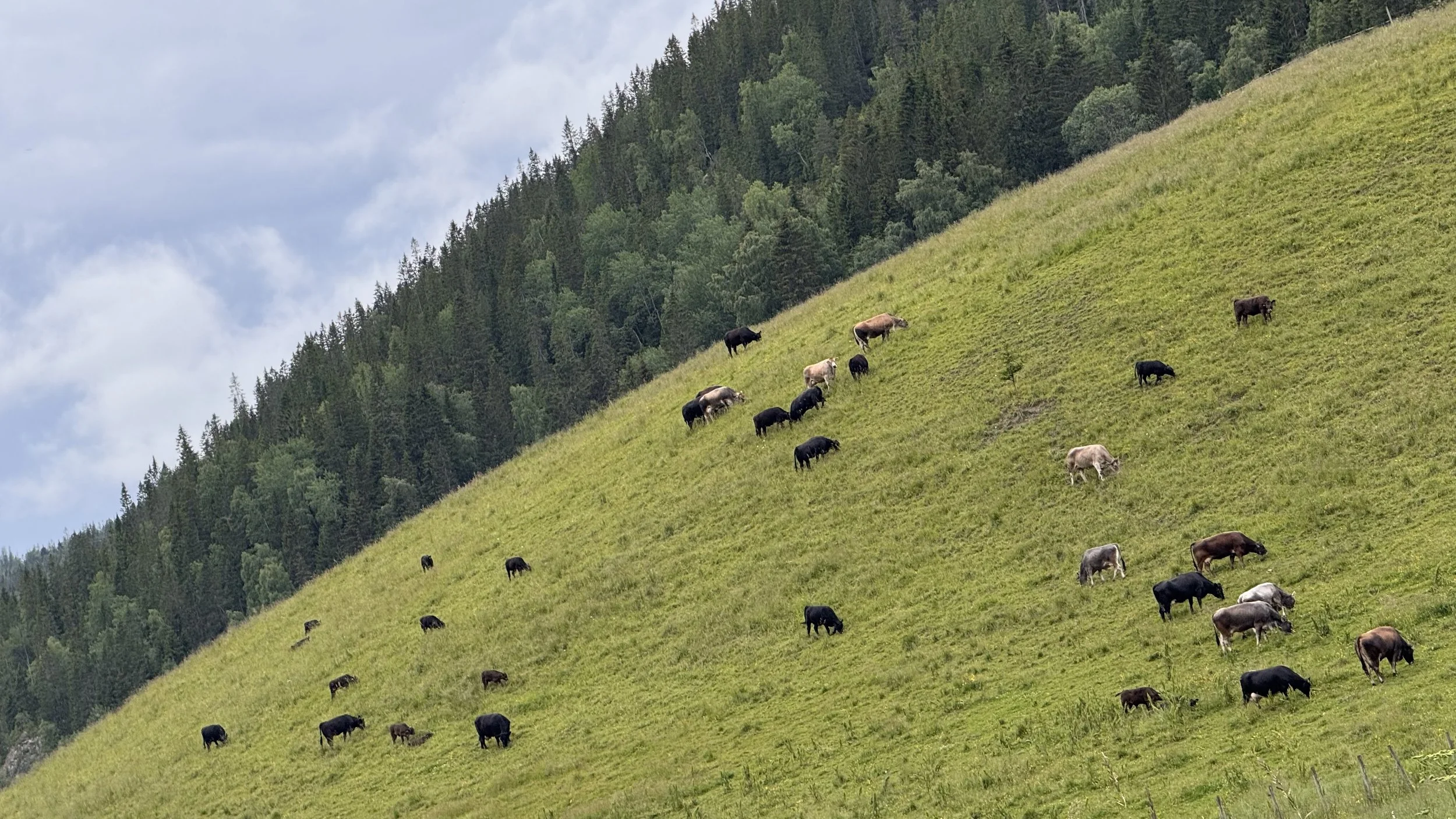
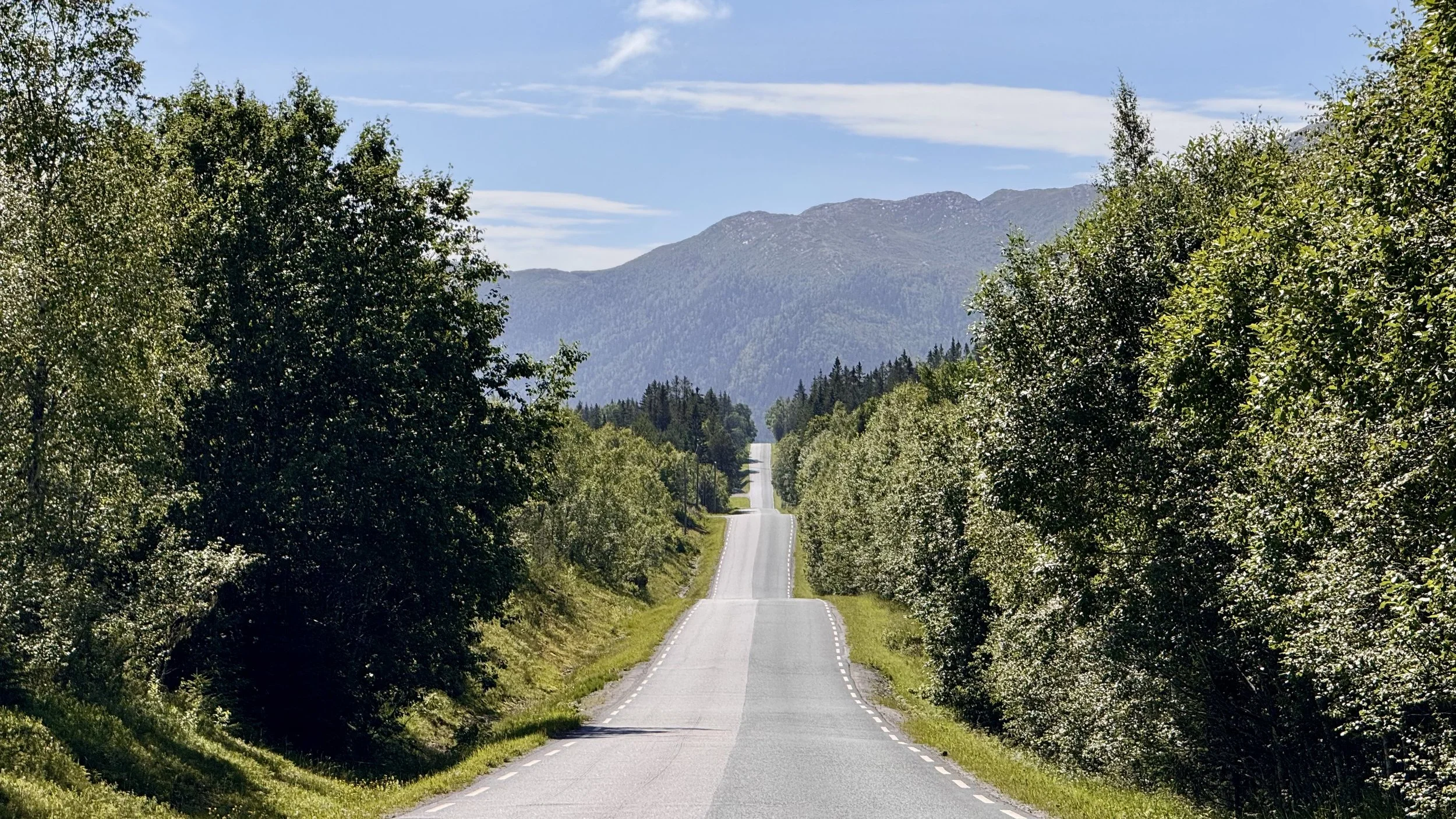
Leaving the coast and crossing inland territories towards the Trondheimsfjorden. Nice and long day on the bike. Temperature into 15-20 C and it feels like summer. Busy roads. Leaving the National Cycle route just North of Steinkjer. Hardly any traffic and beautiful scenery. Wild camping on some farming land 5 meters from a beach. Expect rain tomorrow, but it doesnt really matter—It looks like I will reach Trondheim before the end of the day:-)
Day 15 Brønnøysund - Kolvereid
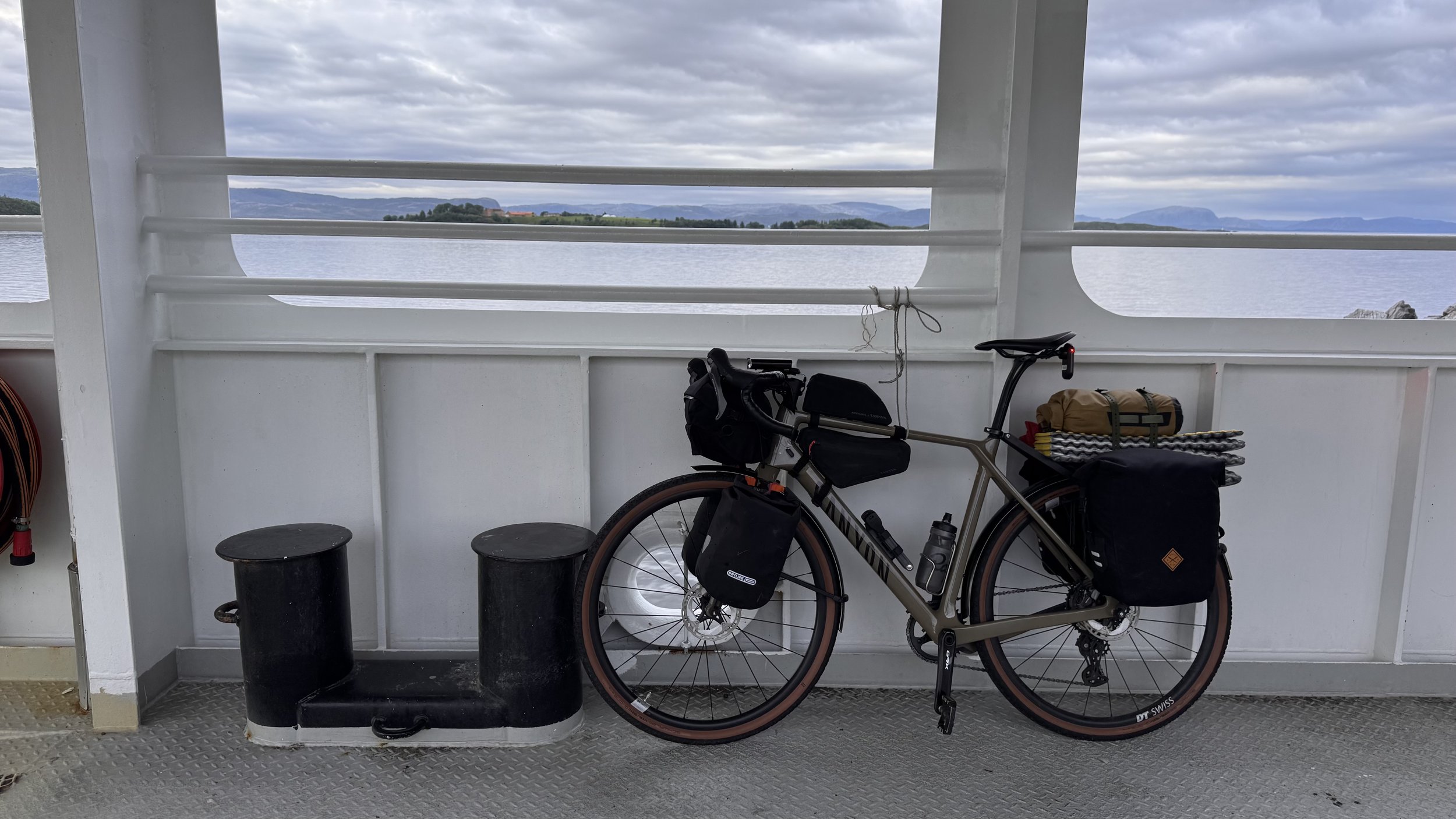
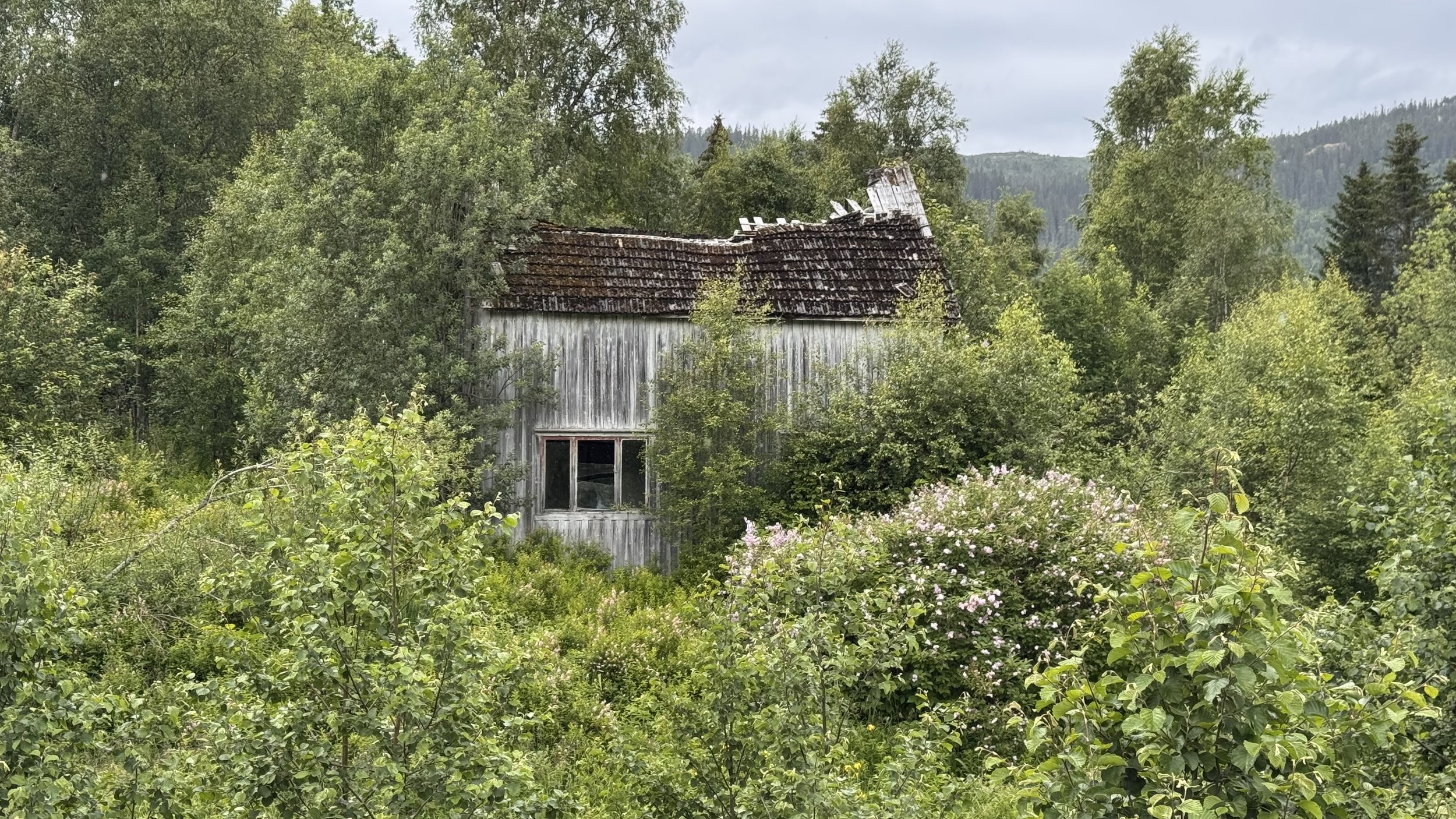
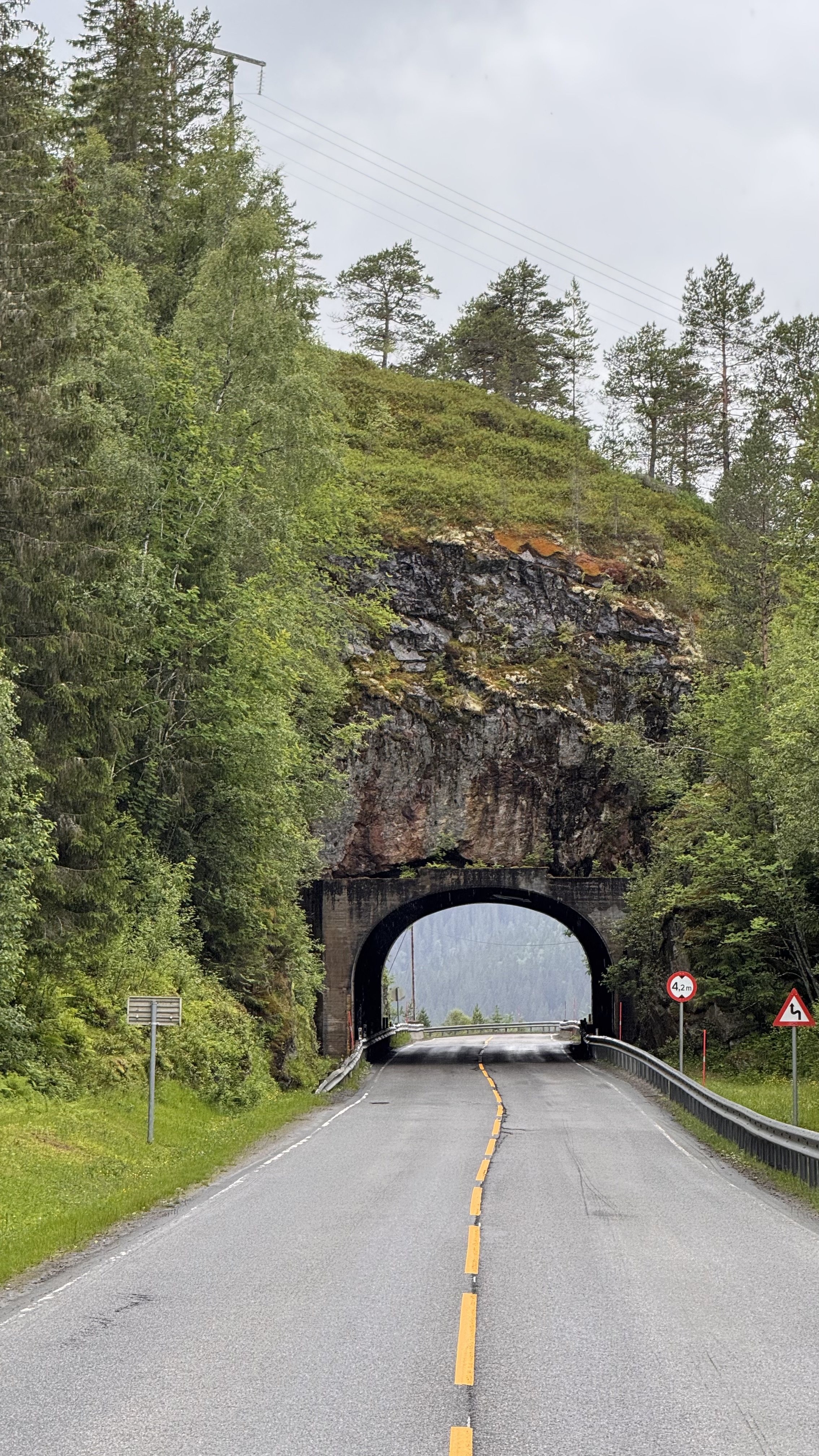
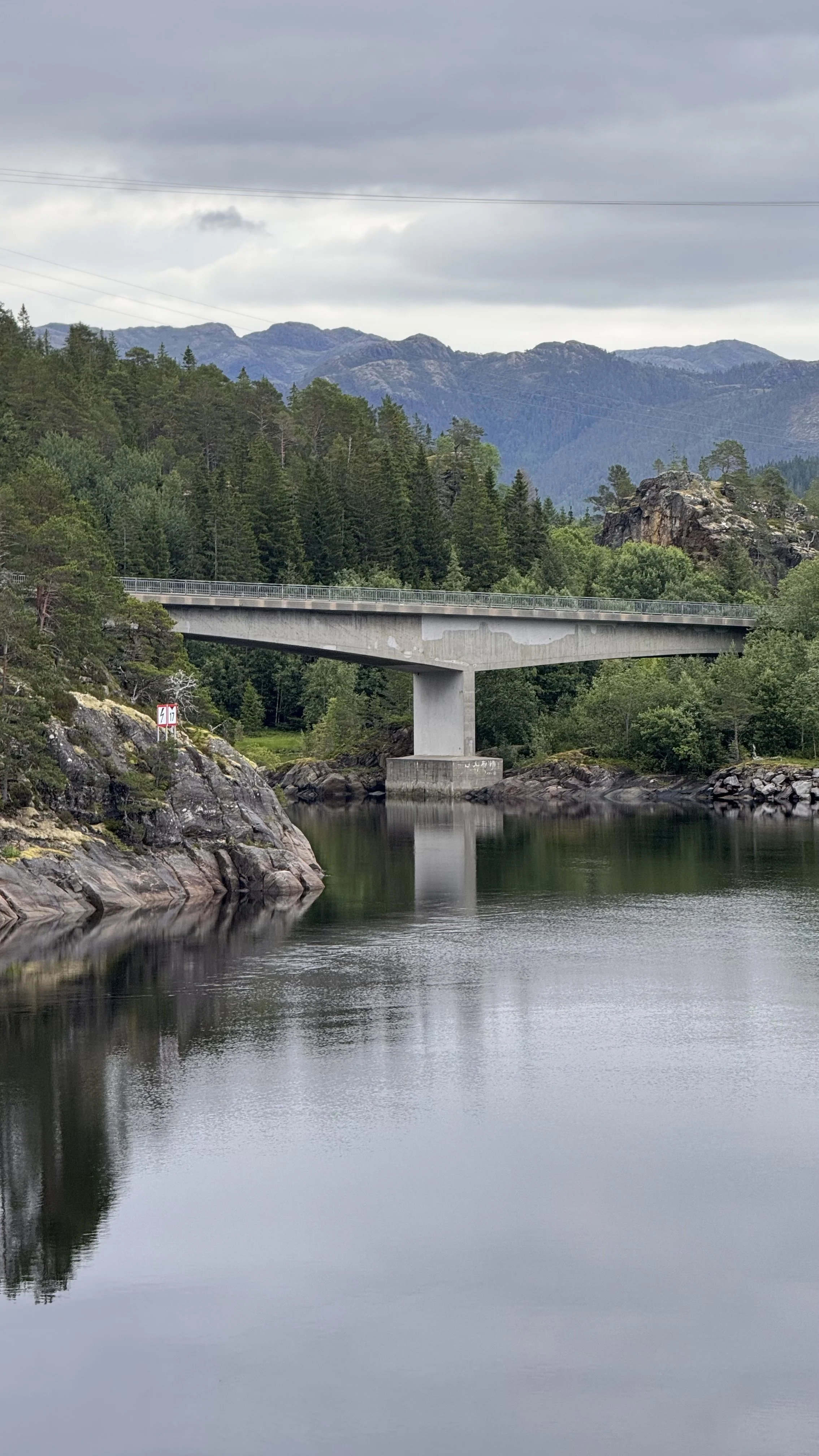
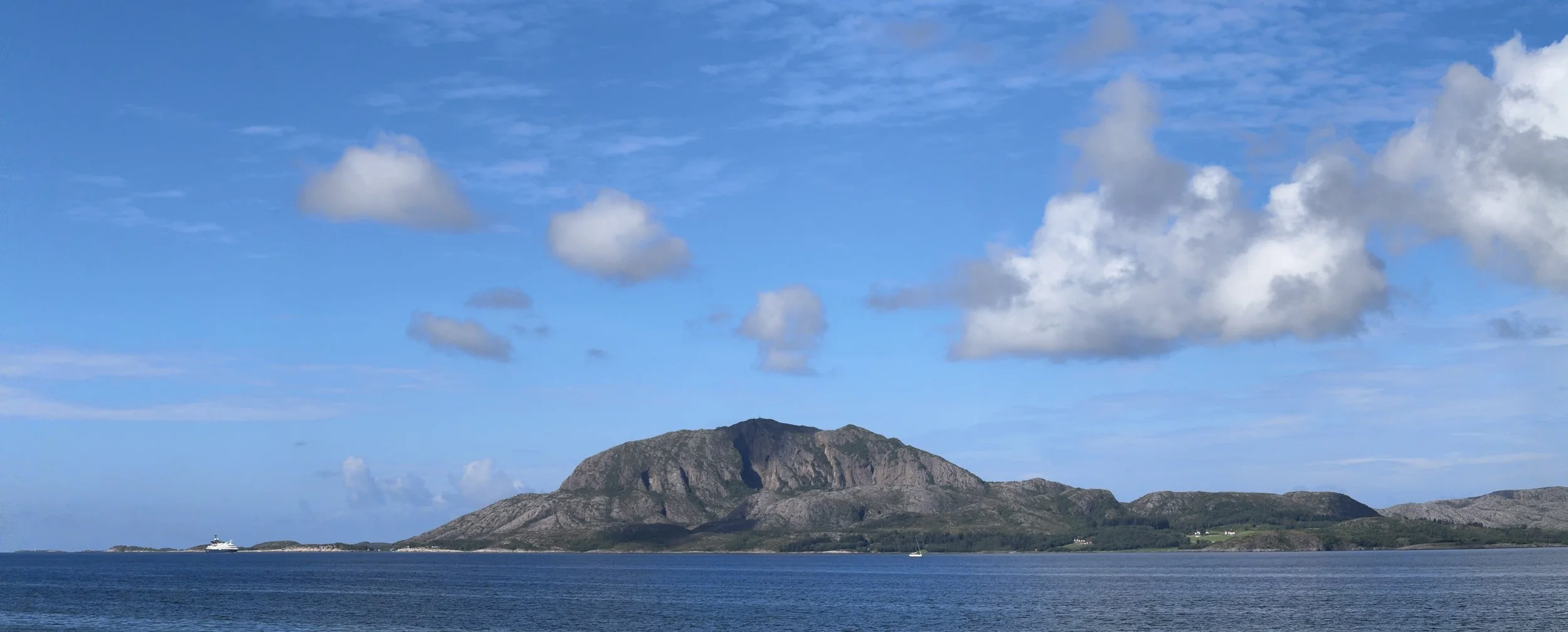
Finally, a nice and dry day. Scenery is turning more into lowland coastal landscape. Long day on the bike. Starting to feel the pull from Trondheim. Two or three morendays should do it. Tomorrow is supposed to be nice. The day after promises rain in torrents.
Day 14 Tjøtta - Brønnøysund
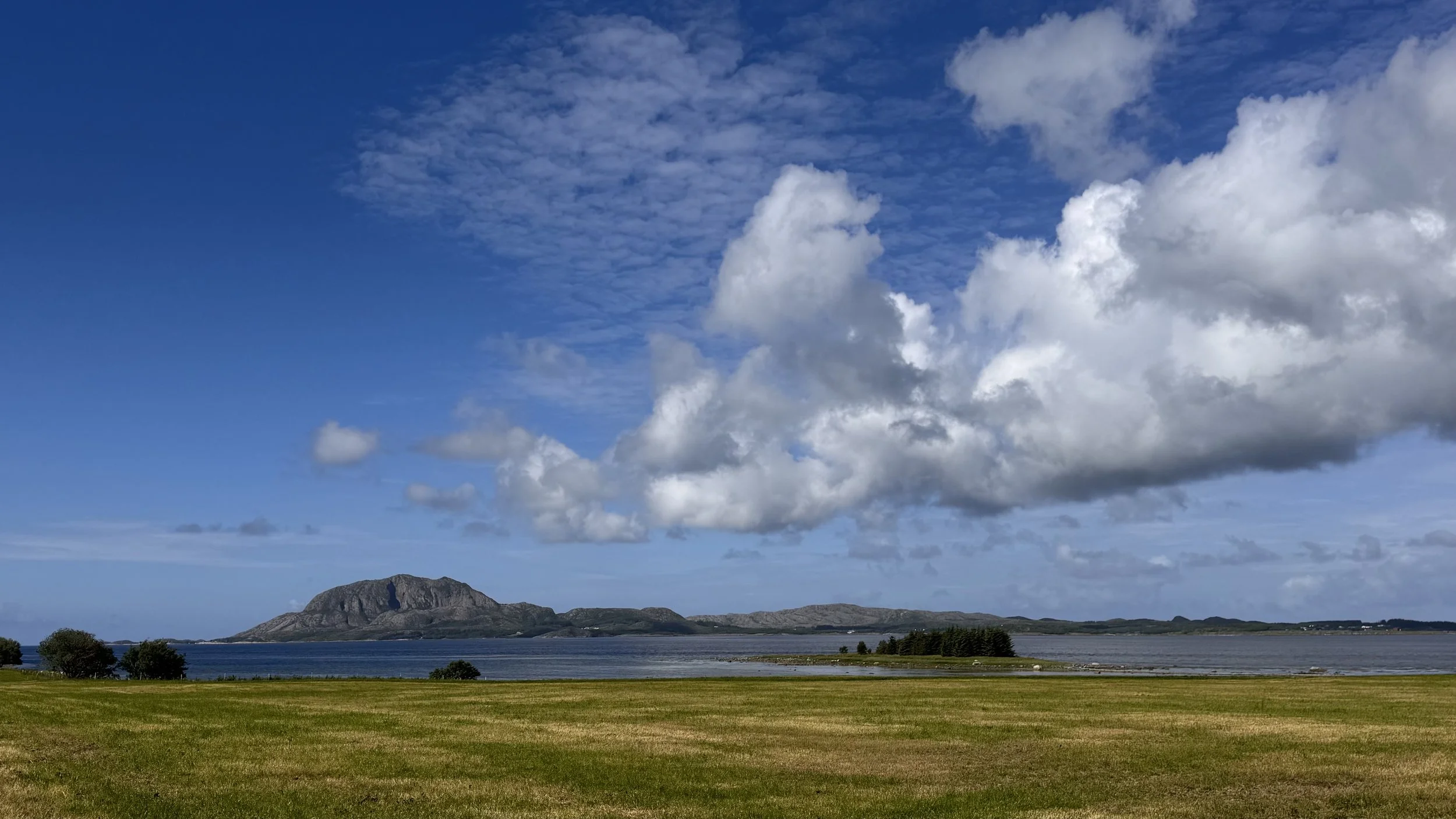
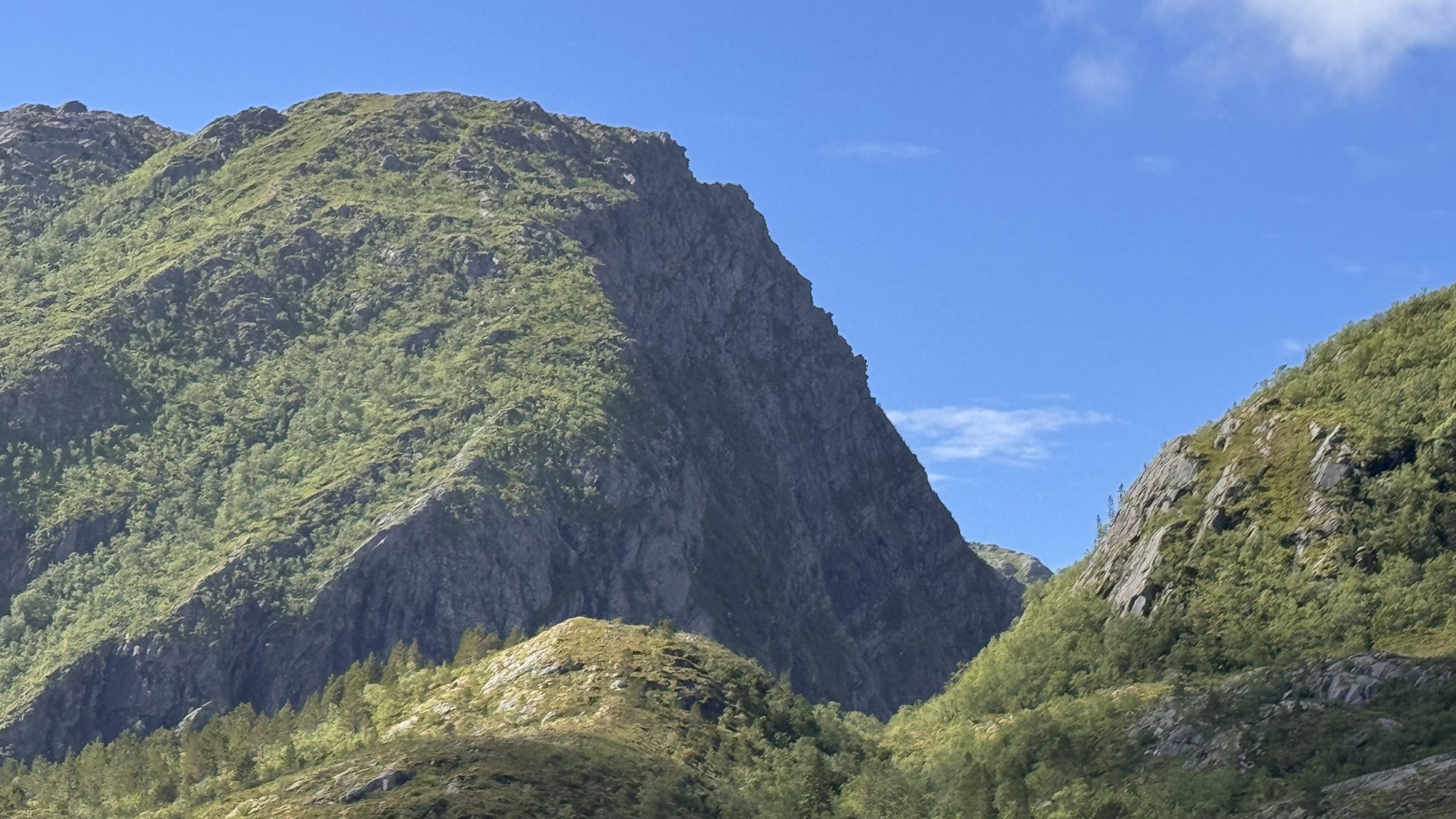
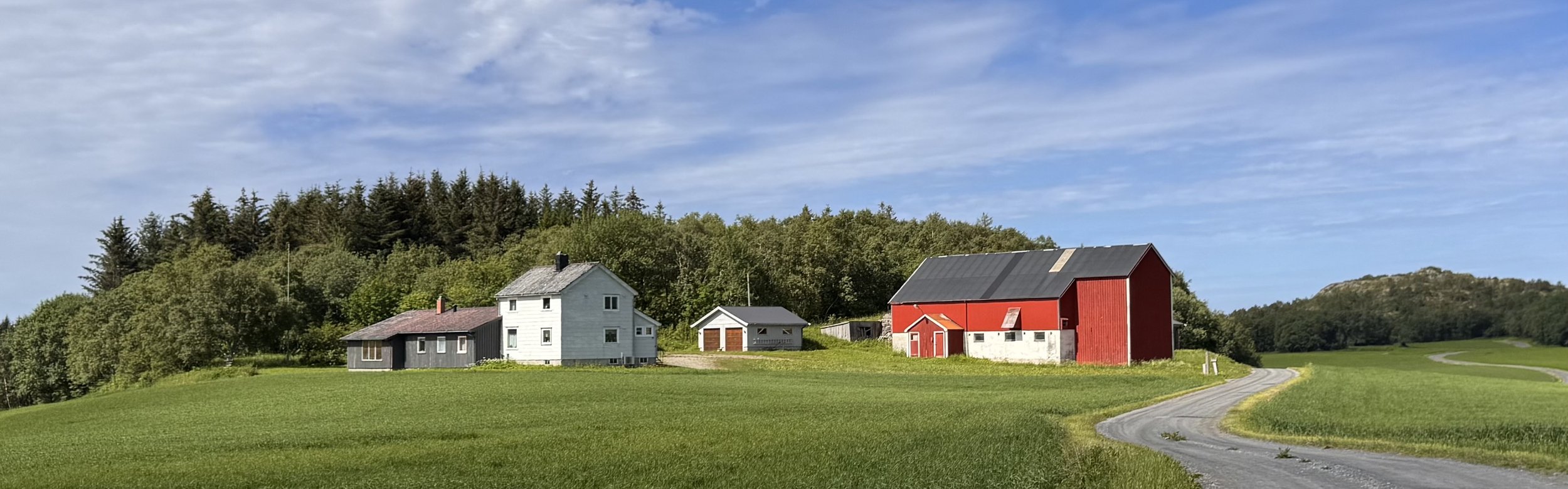
Tired of being wet. At first I considered waiting out the rain for one day at Tjøtta. However, I compromised and opted for a short day on the bike and headed for Brønnøysund.
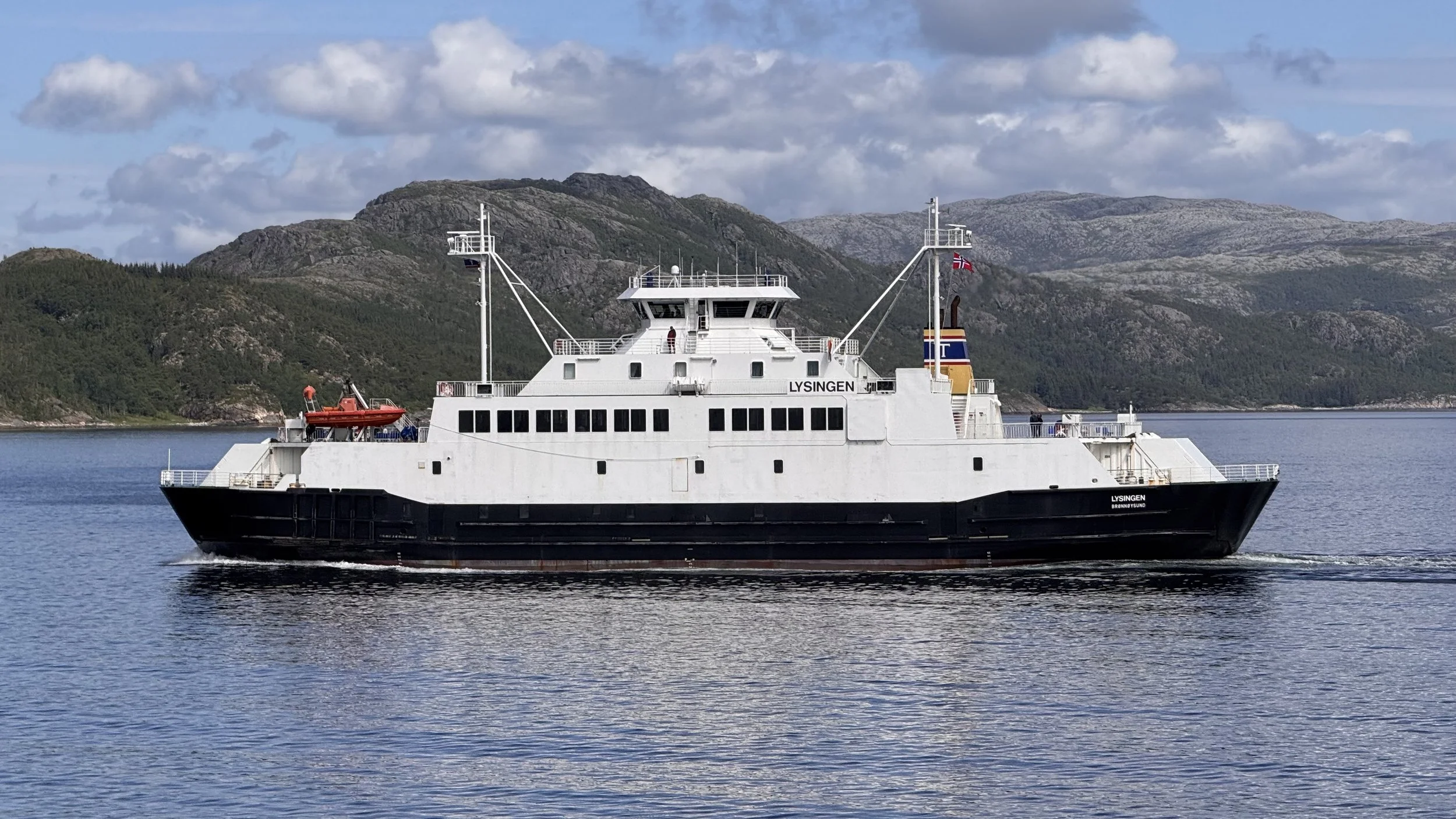
Shorter but faster ride—between two ferries were 16 km and just enough time if I could manage to keep a pace well higher than normal. I made it with record speed. Highly motivated by the fact that missing this one would mean two hours of waiting for the next one.
According to Yr the next two days will be nice and dry. Cannot wait to the feeling of short sleeves and bare legs again.
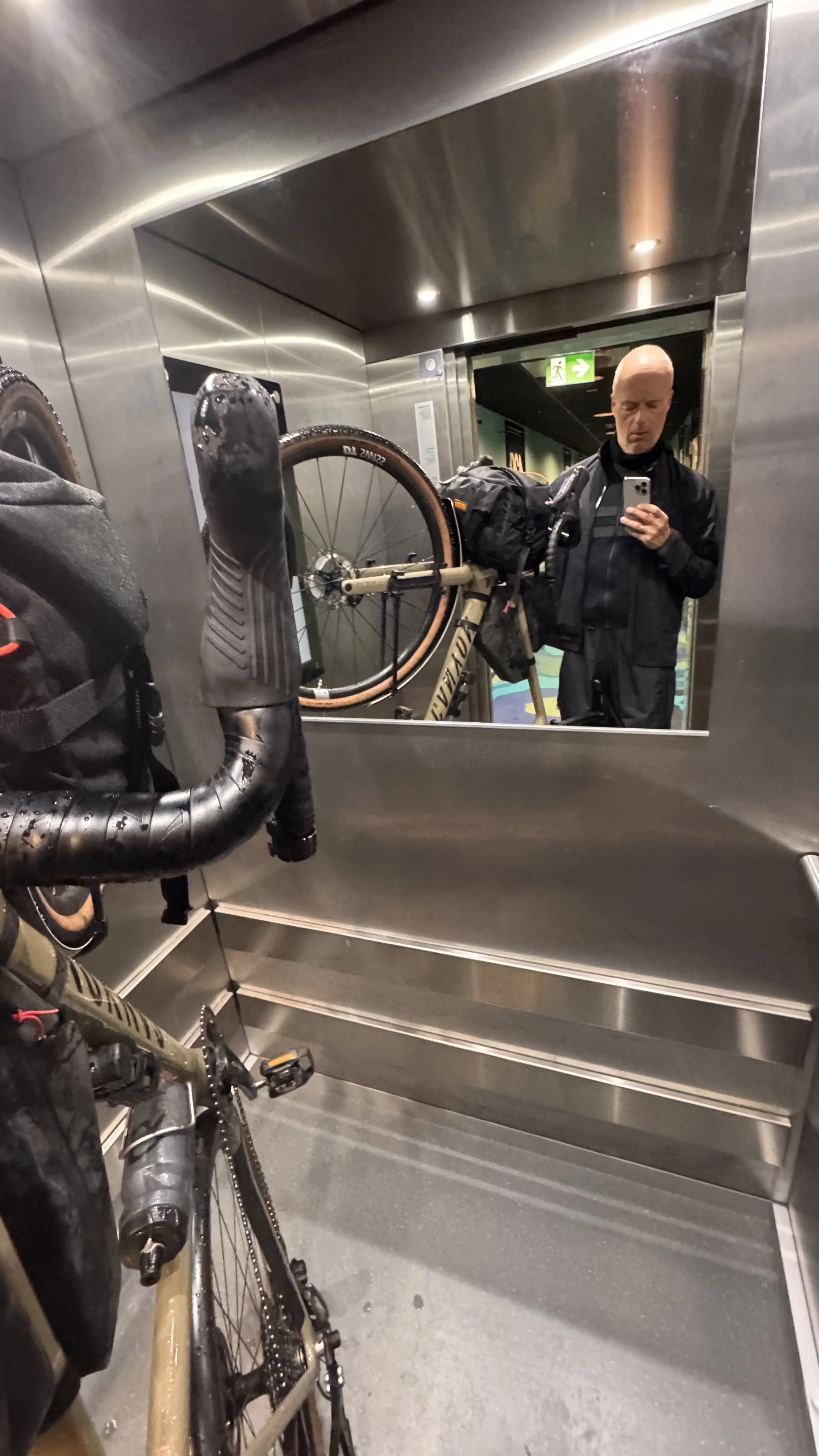
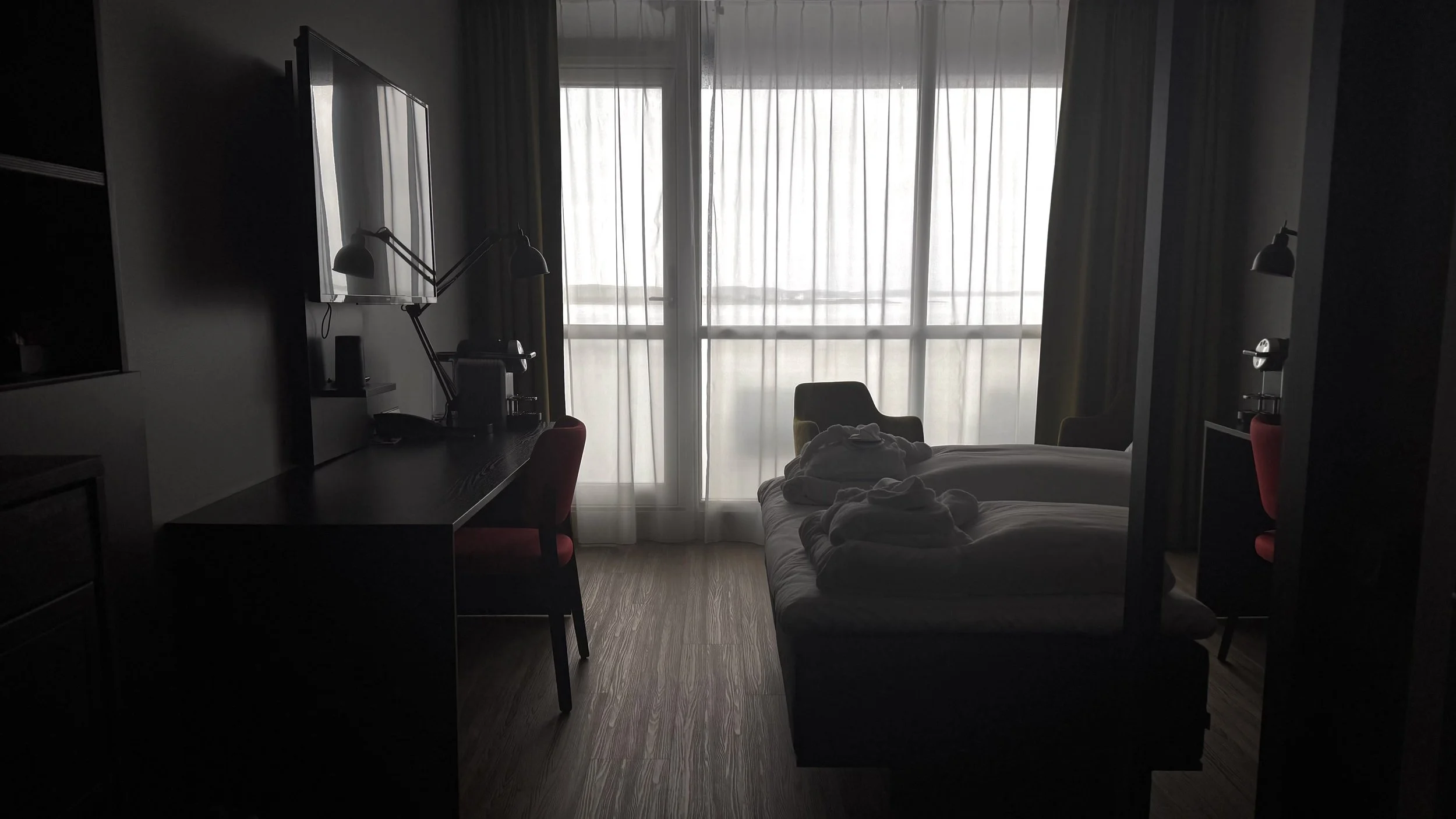
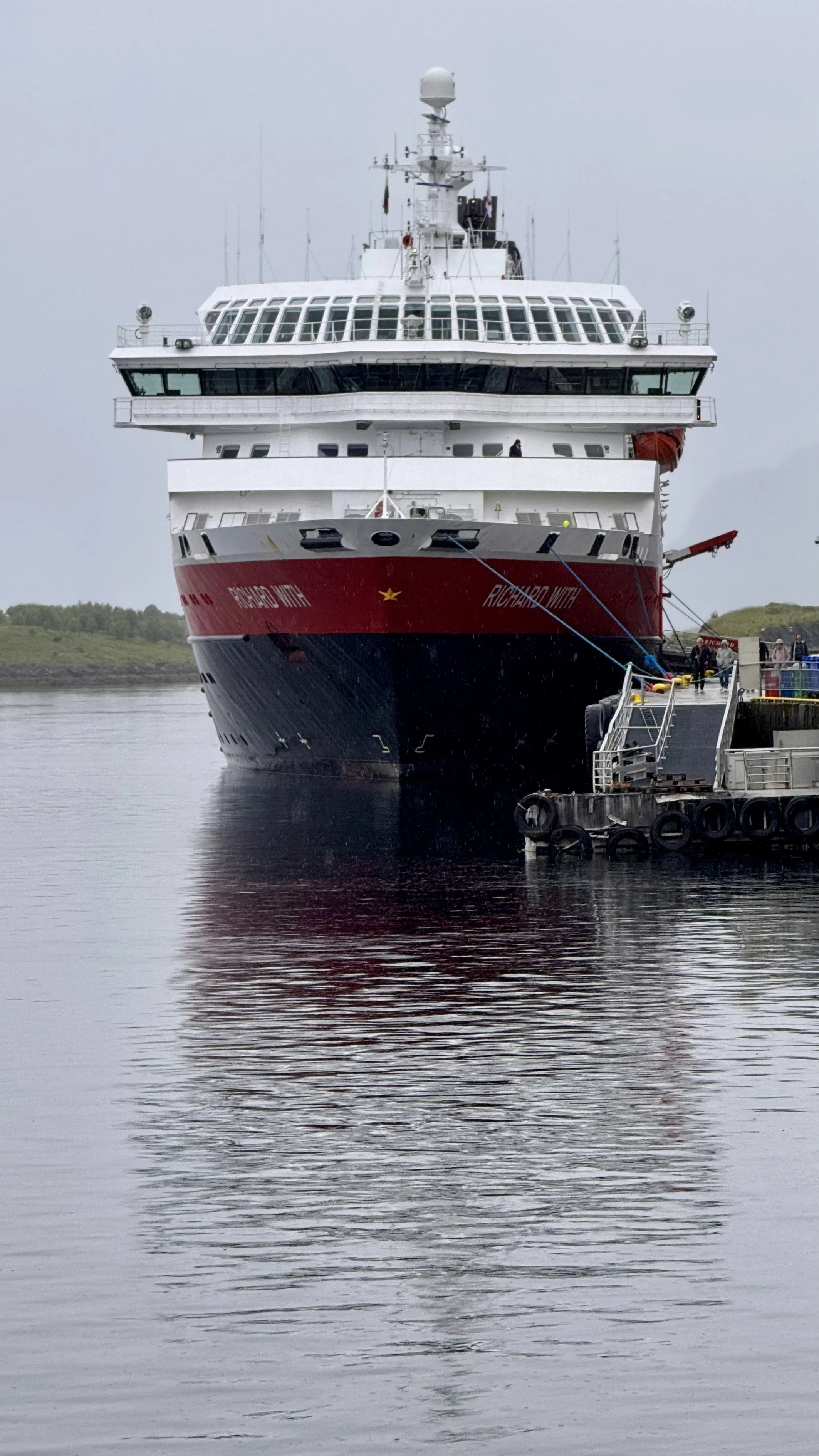
Day 13 Nesna - Tjøtta
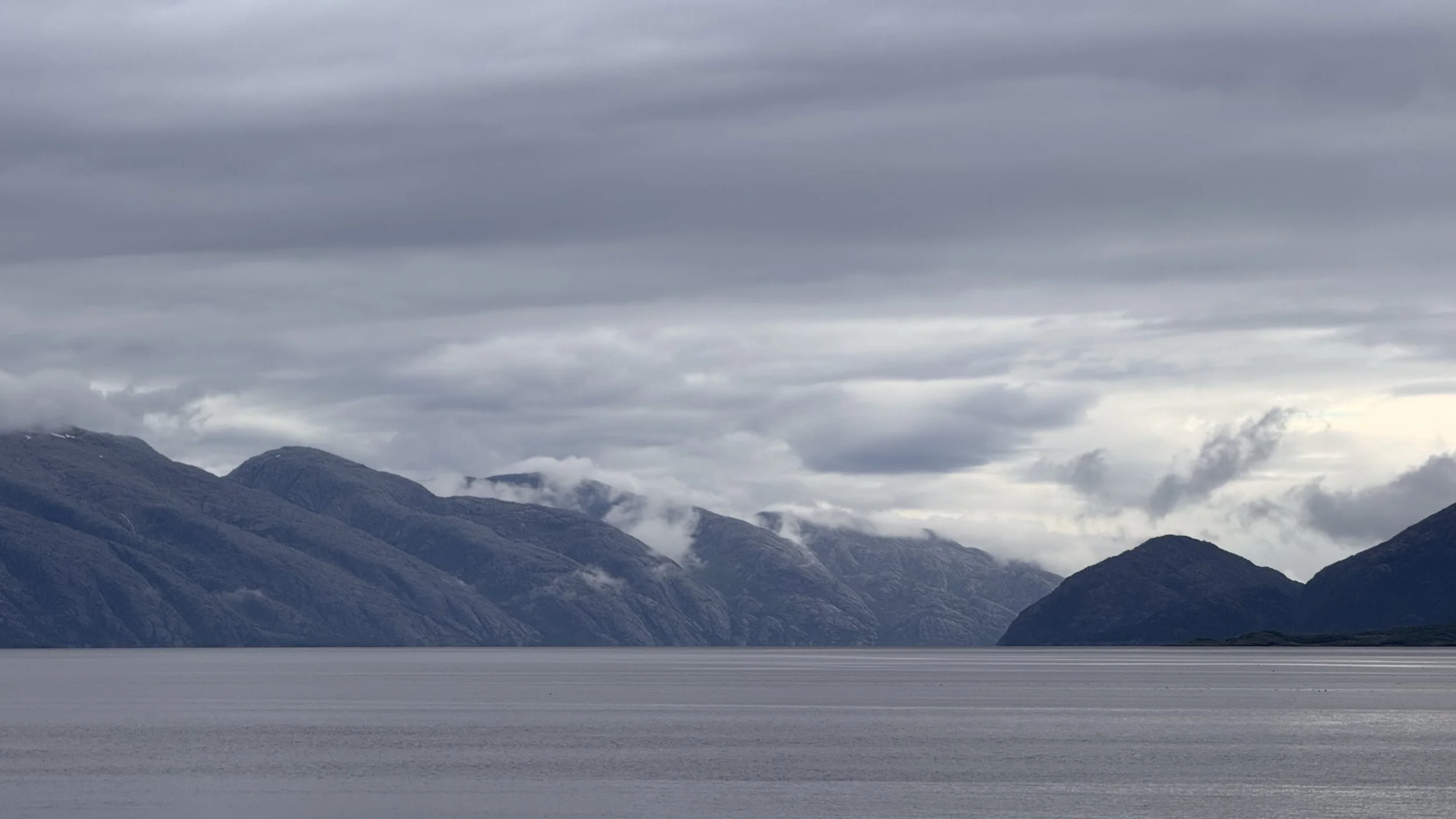
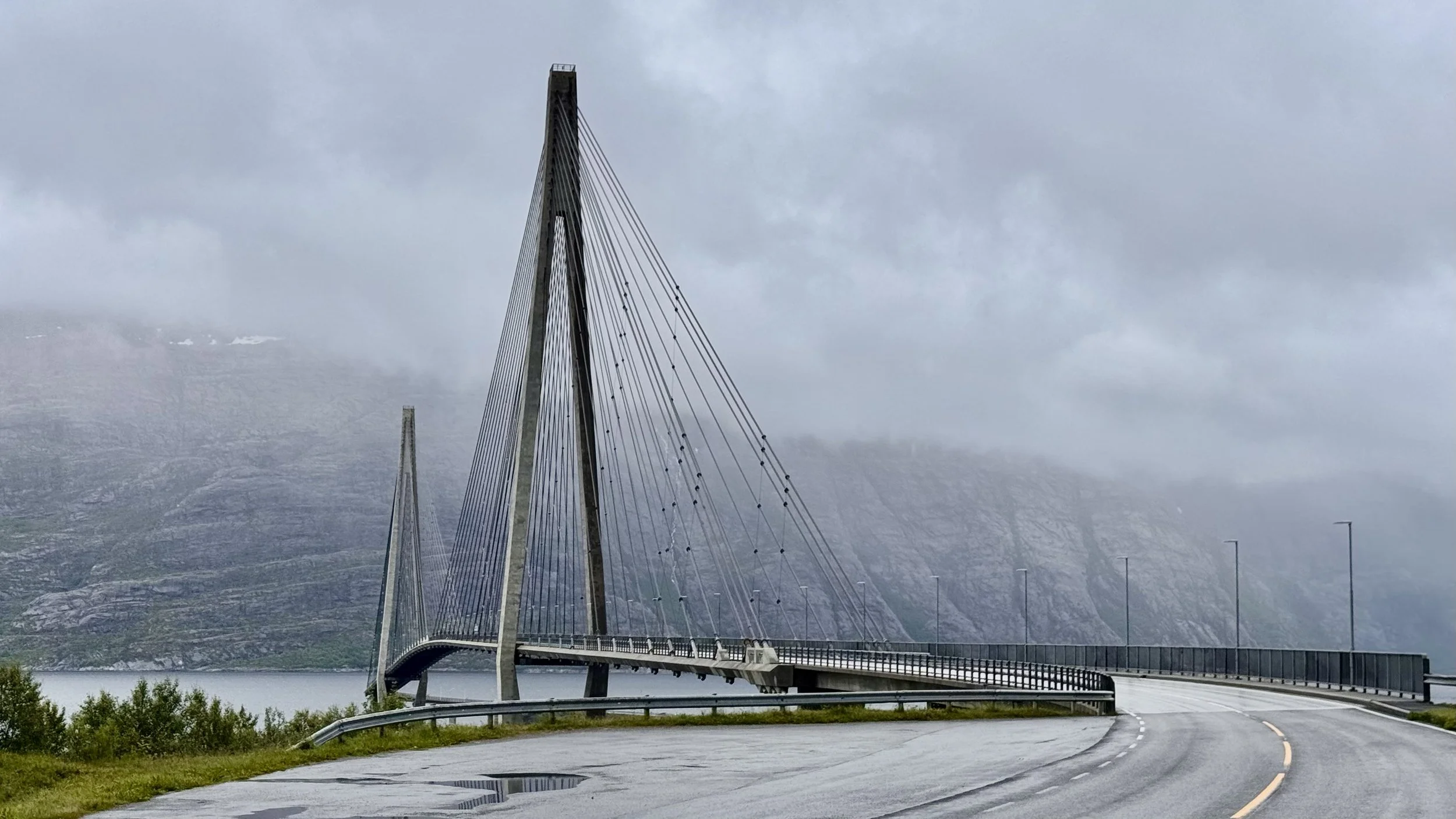
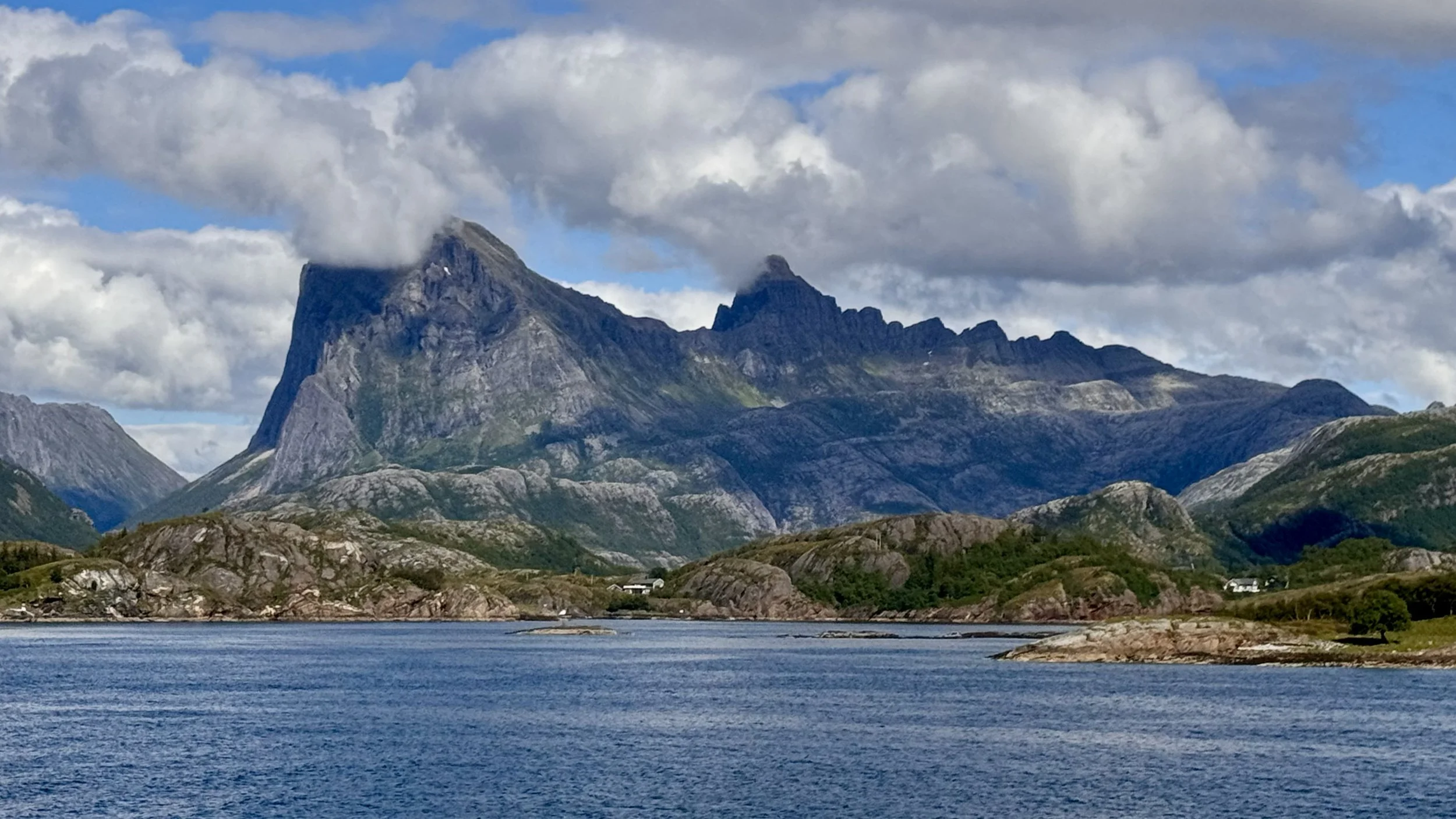
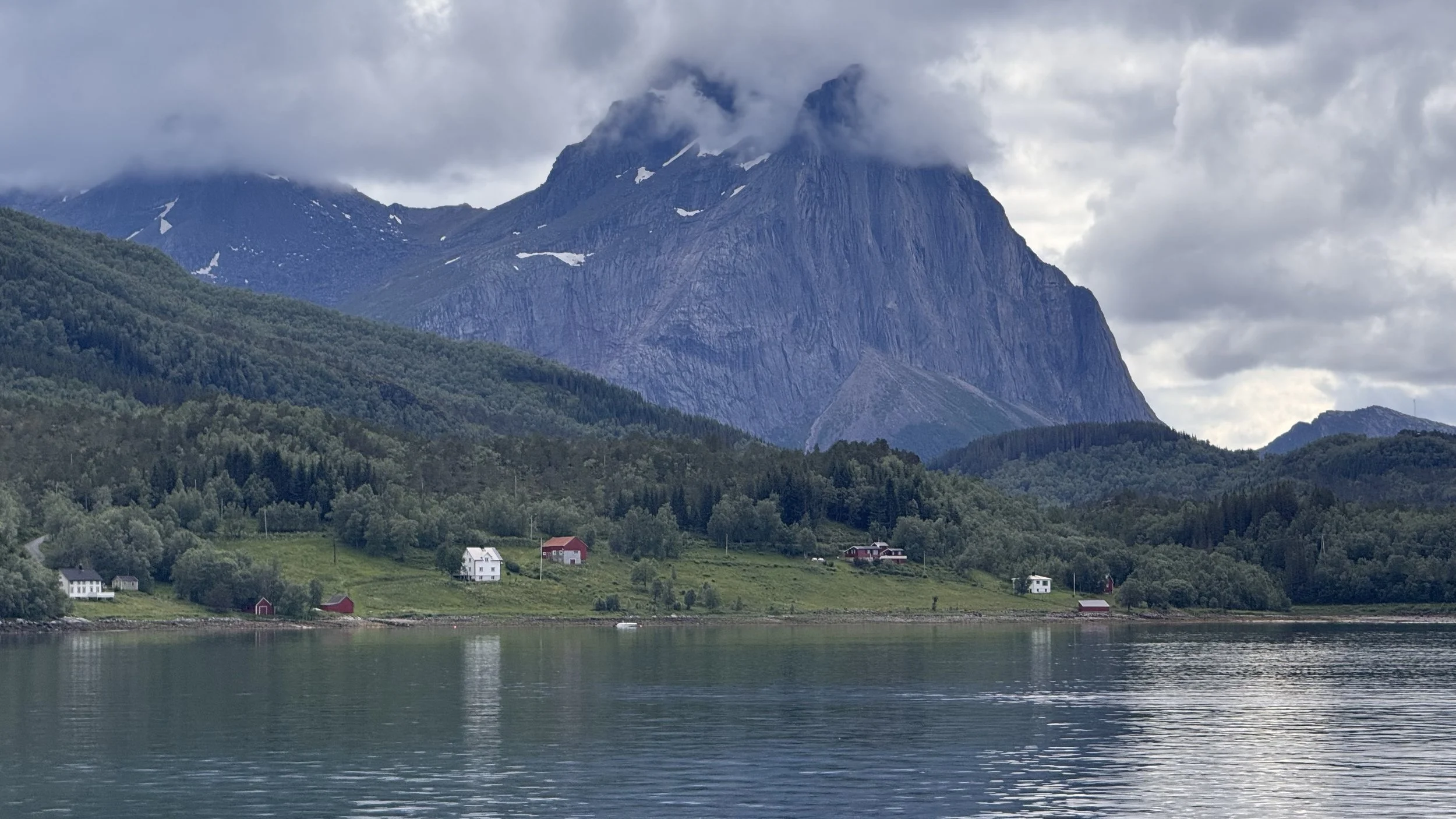
Moving South from Bodø, it is interesting to see the topography change. More woods and taller trees. The mountains are higher, now reaching 1000 m and more above sea level. Obvious traces of the glacier, leaving huge areas with clean slabs. They add this feeling of austerity, which nicely contrasts the lush greenery in the valley floor.
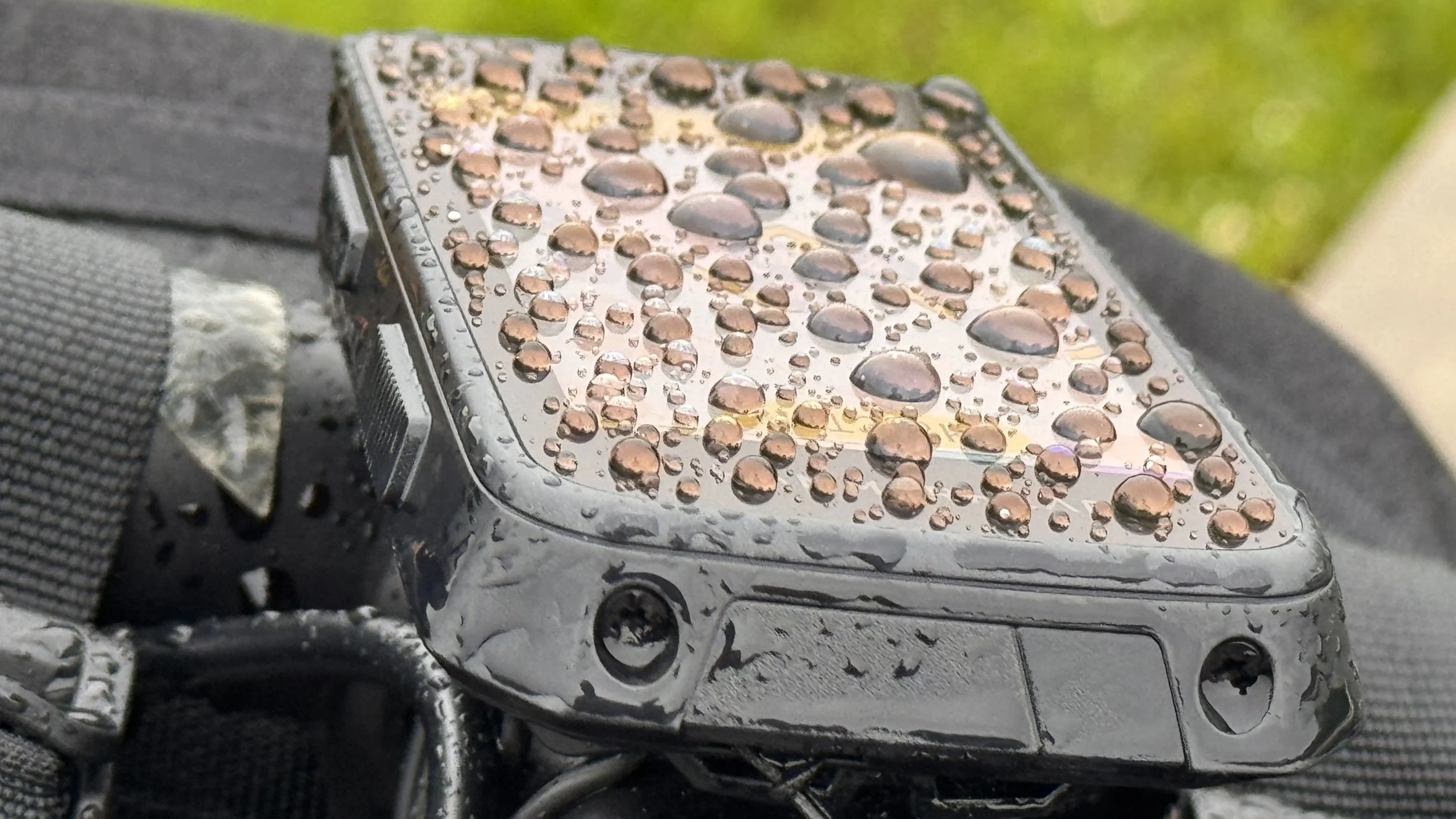
Wet and cold day. Raining all the time, +8 C and a strong headwind made it sort of miserable. Happy to get a room at Tjøtta gjestegård to dry up a bit.
Day 12 Reipå - Nesna
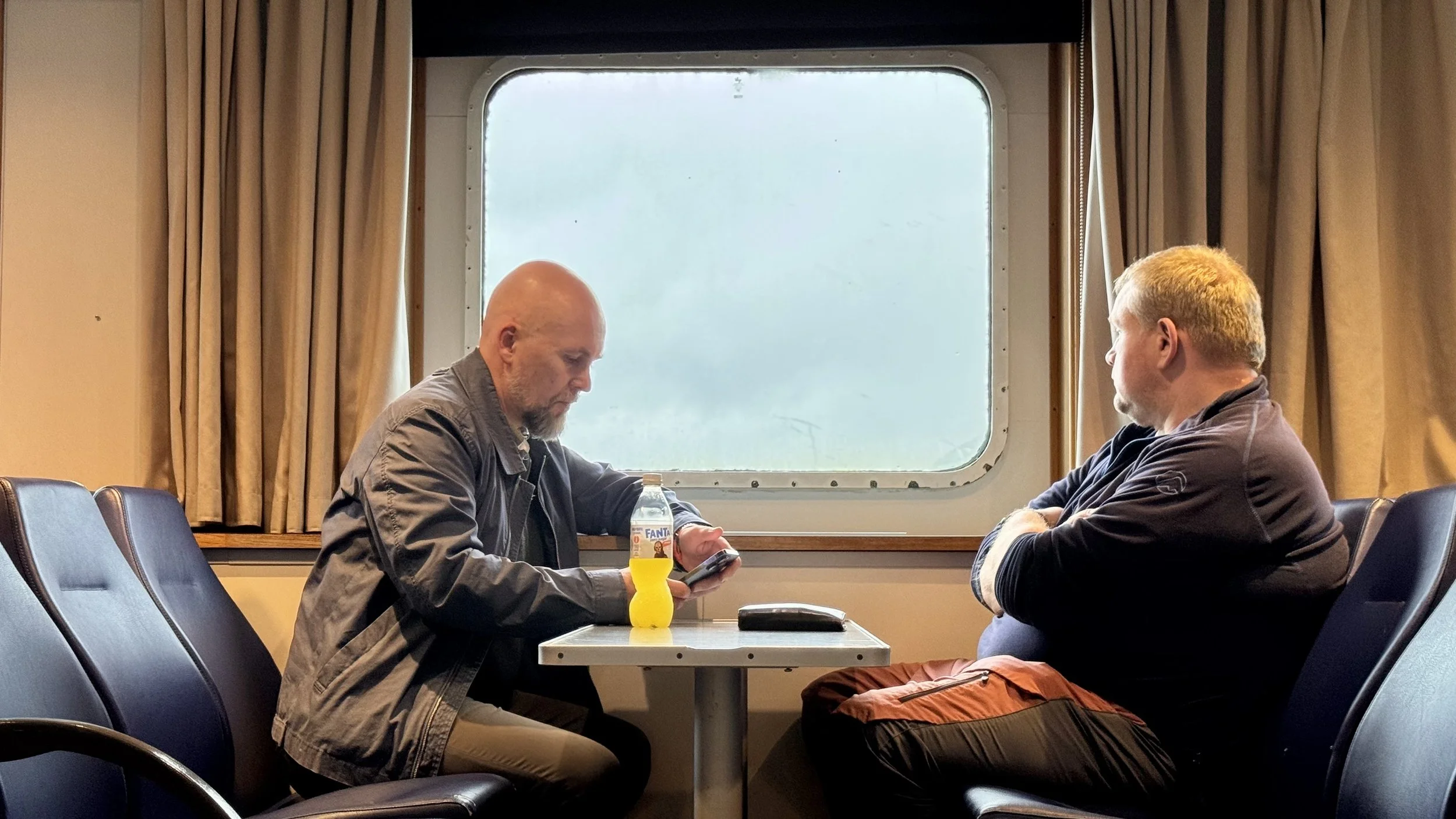
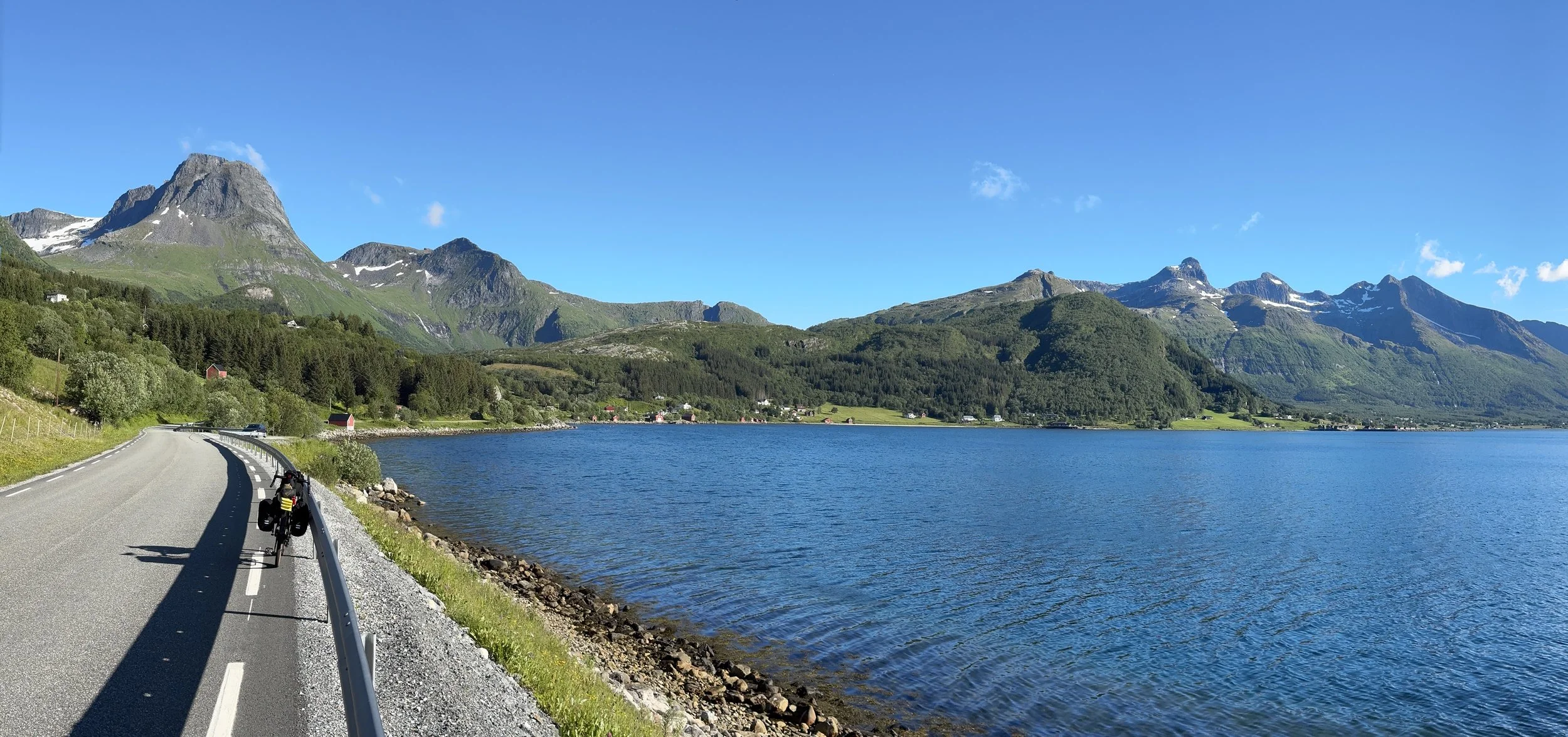
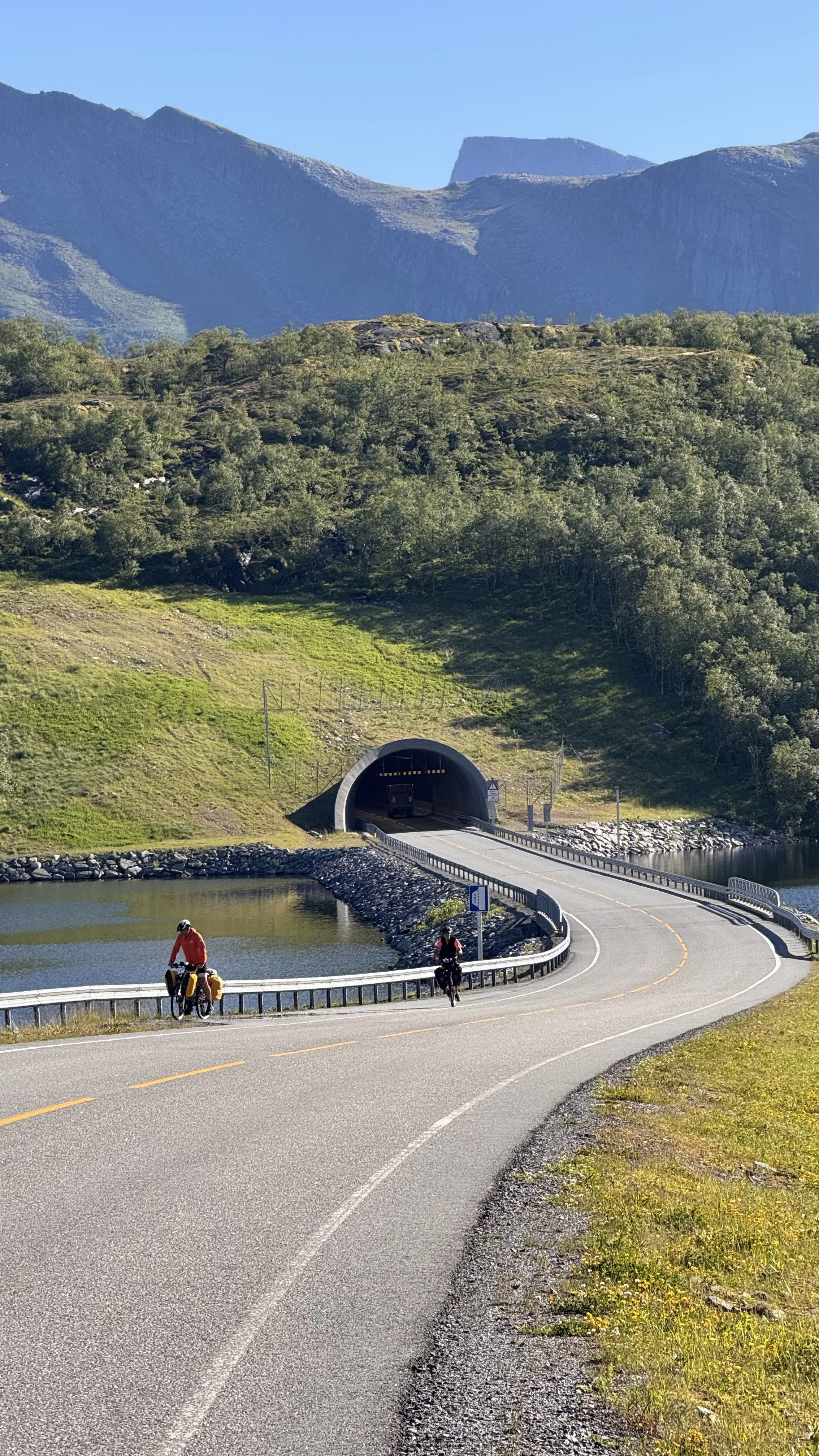
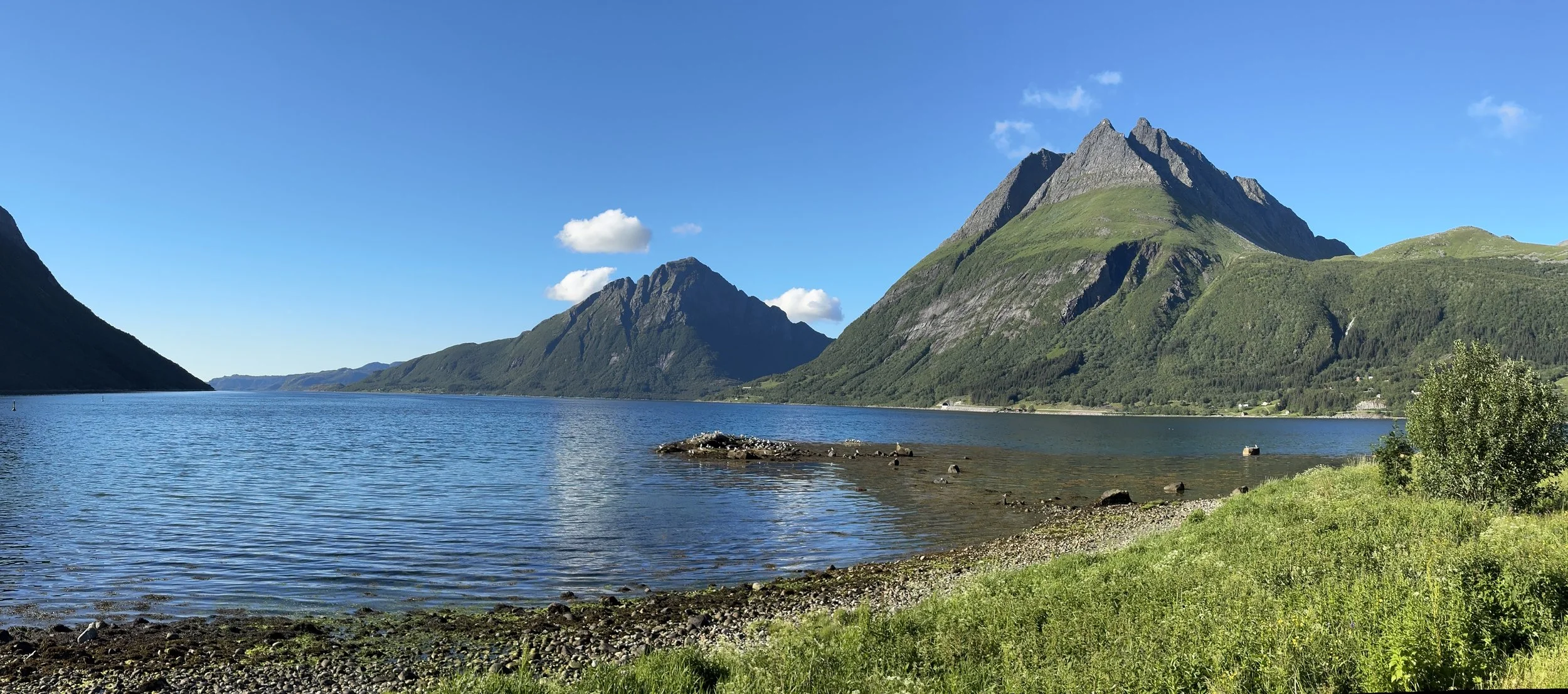
A long day nicely mixed with three ferries and an endless number of tunnels. Sun and dry weather all the way, so I stretched the day almost until midnight. More rain is coming up. Every dry kilometer today is better than a wet one tomorrow.
Day 11 Bodø - Reipå
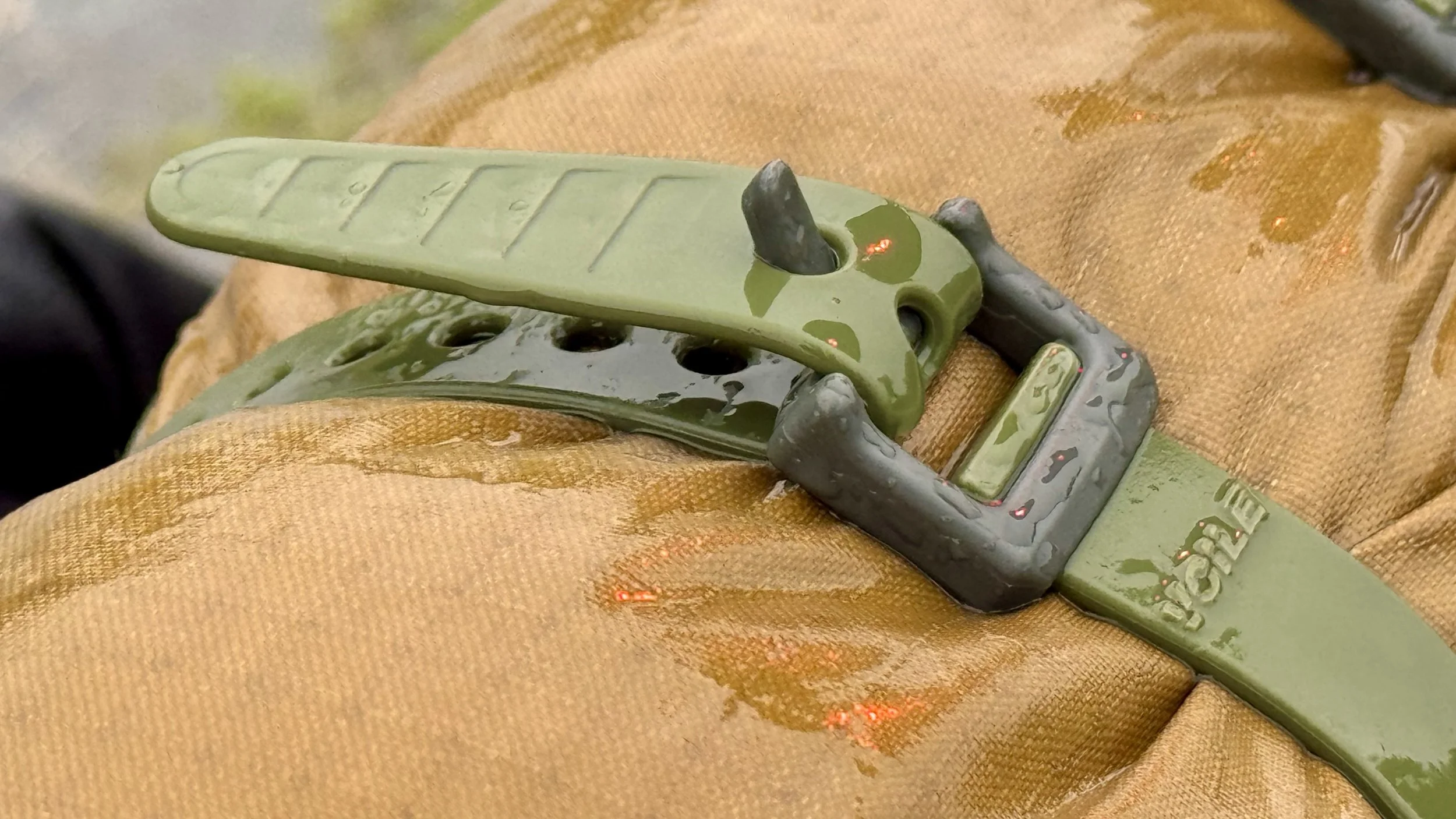
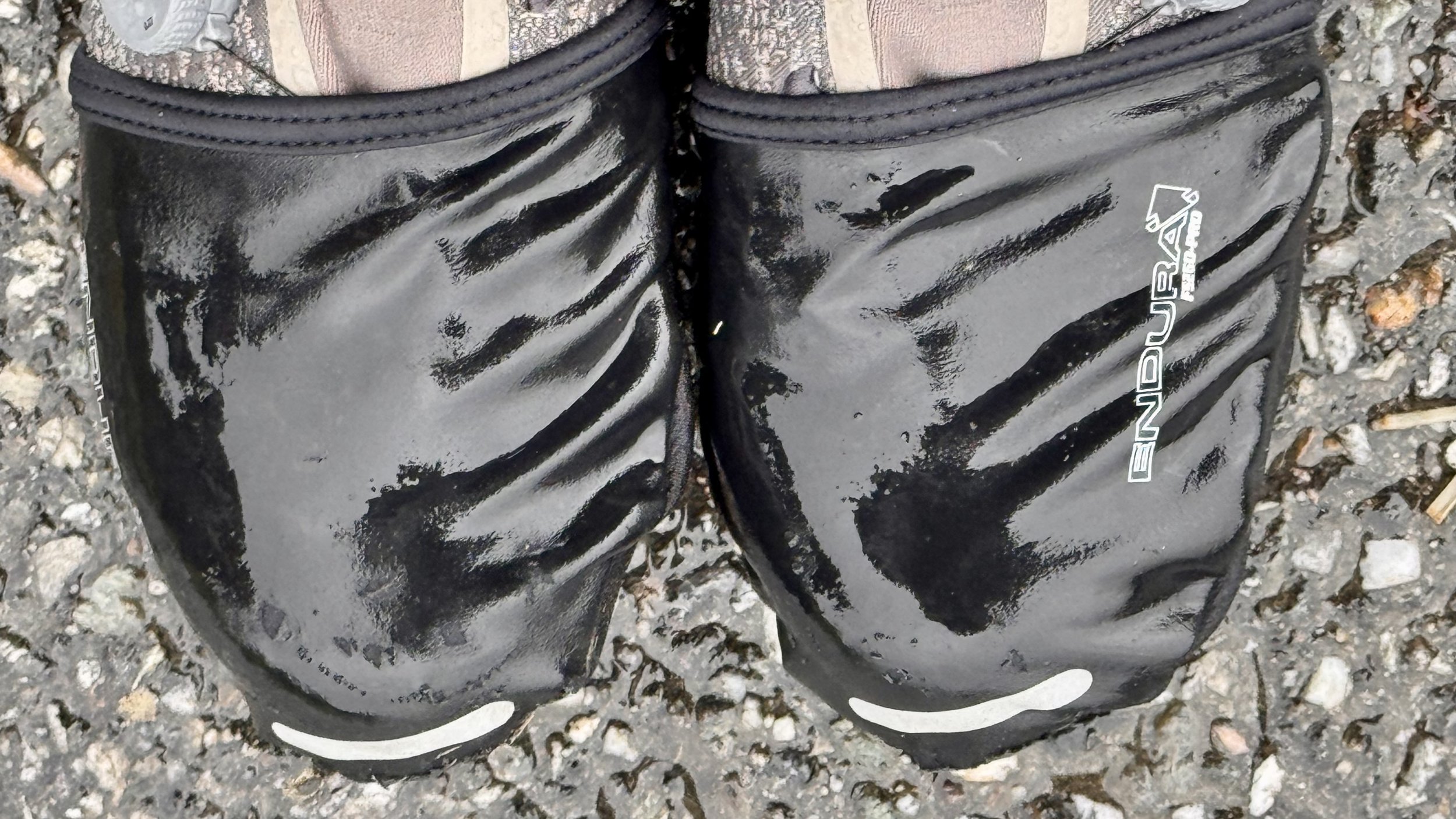
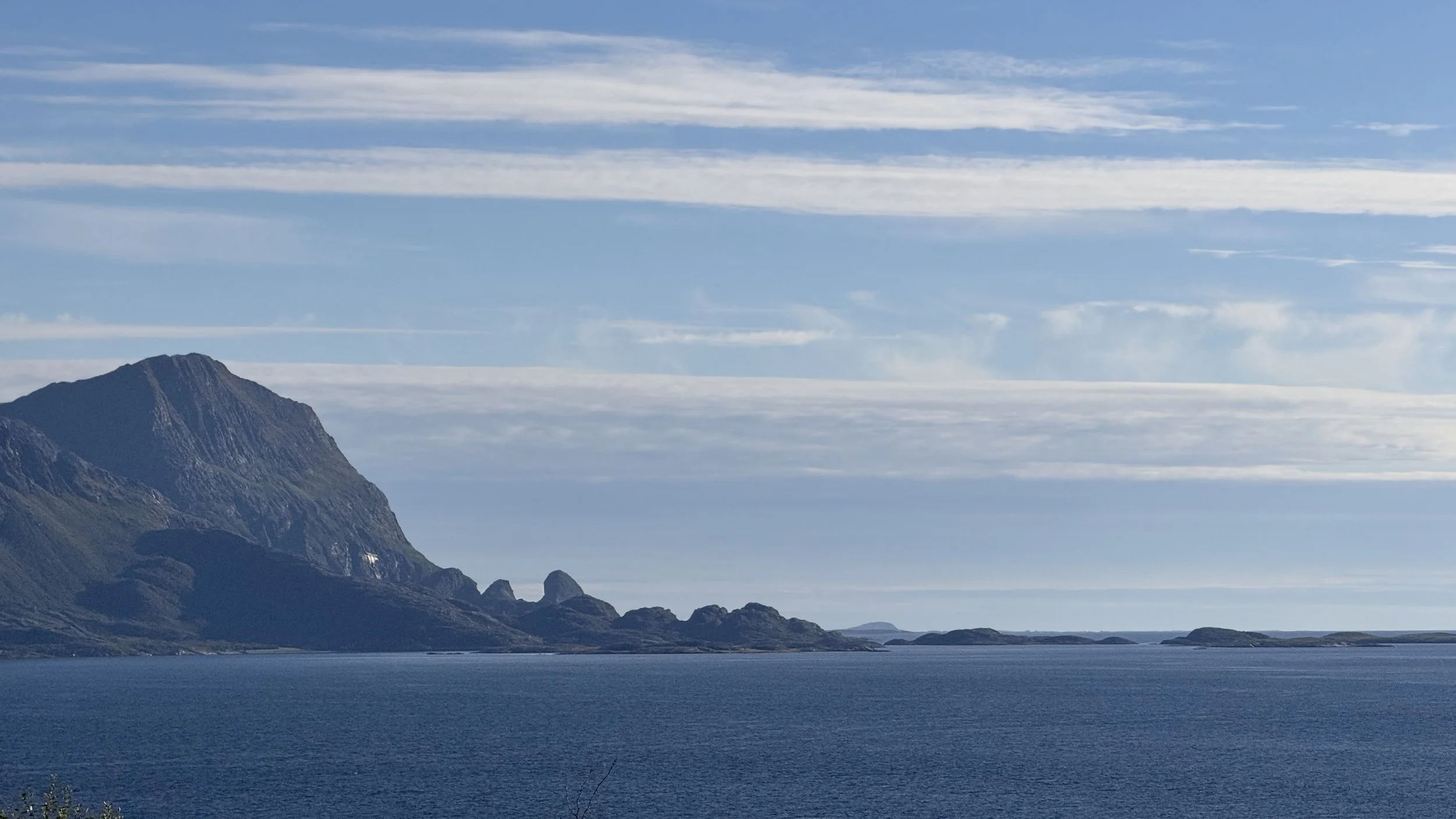
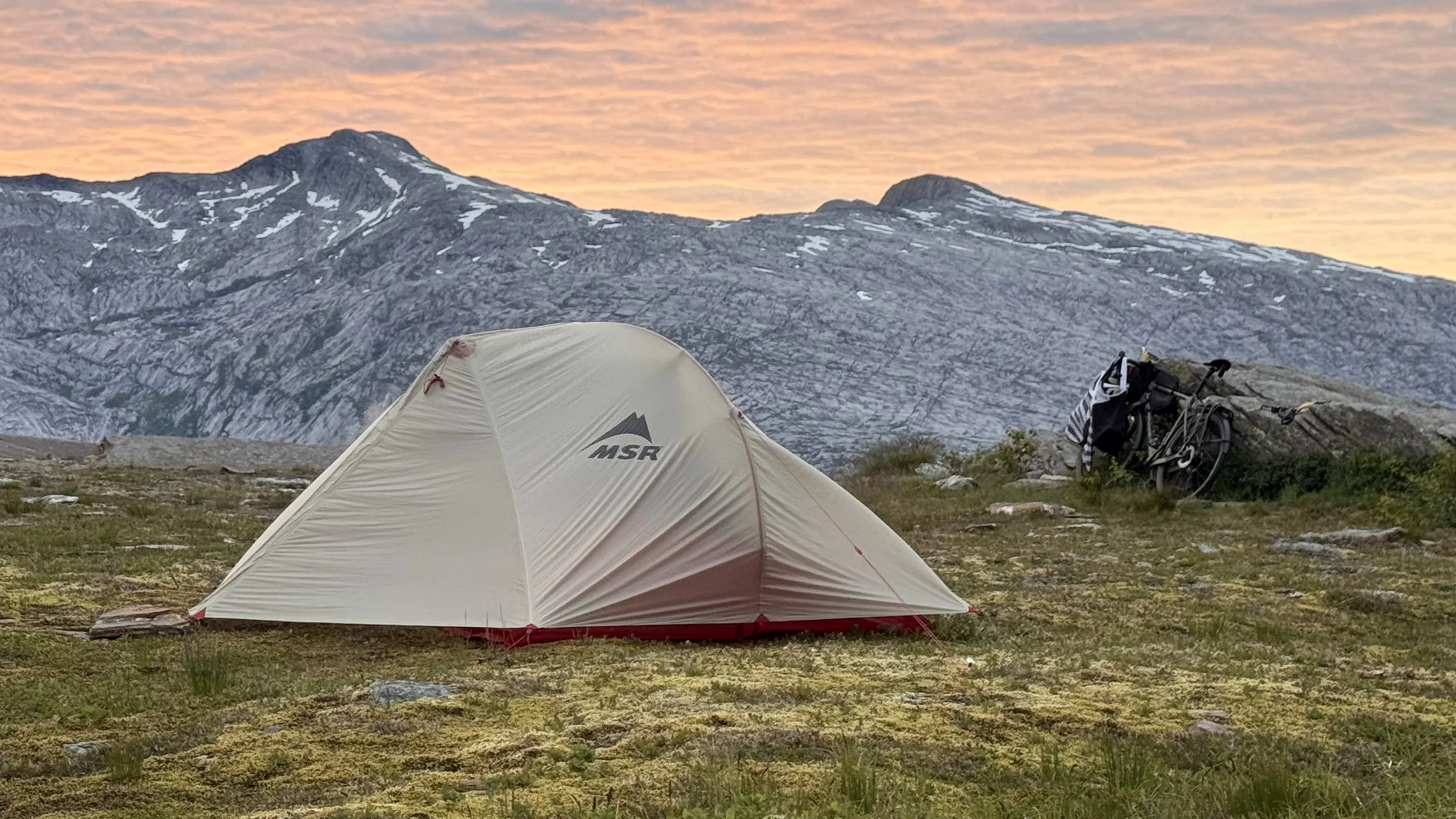
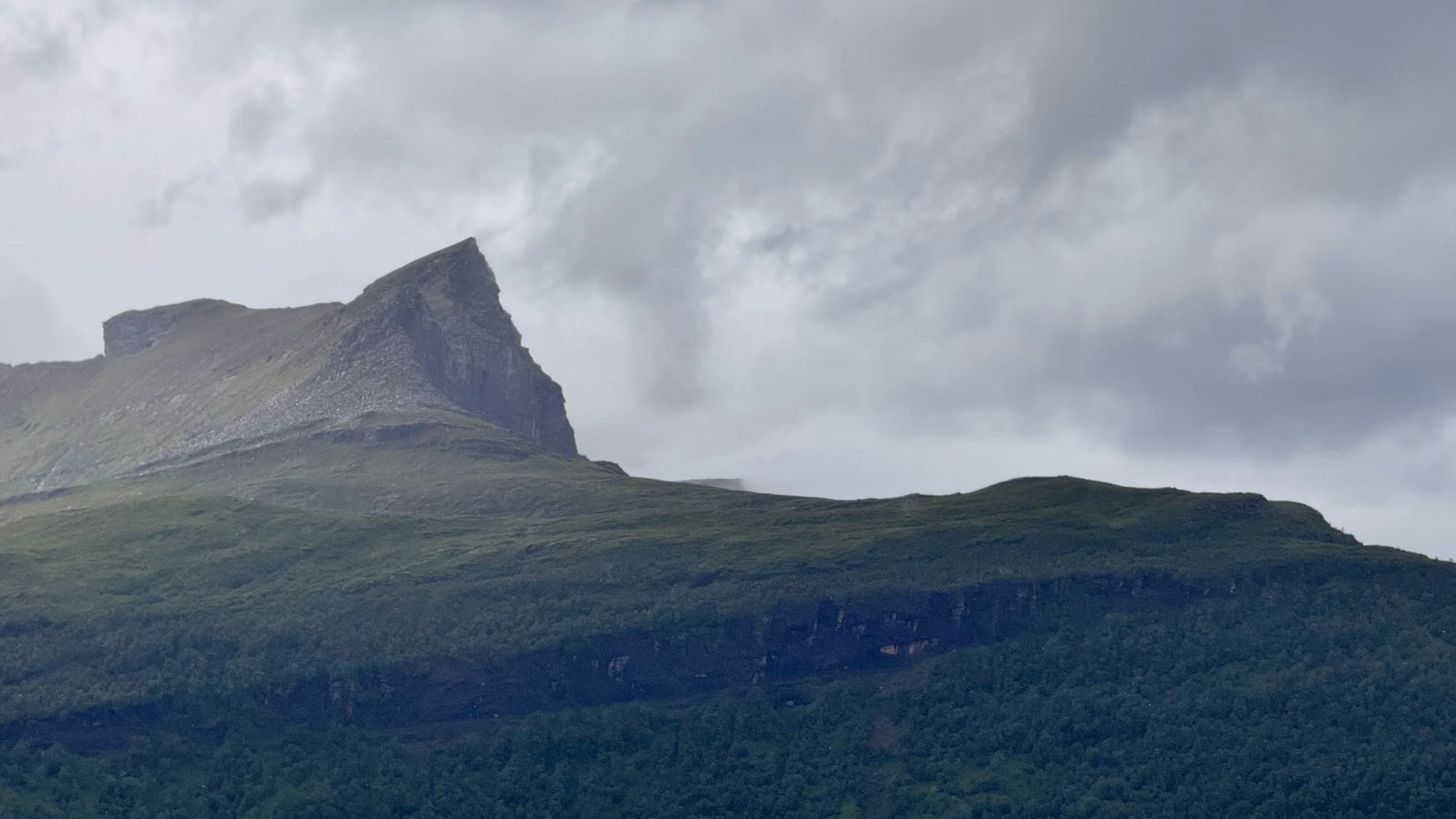
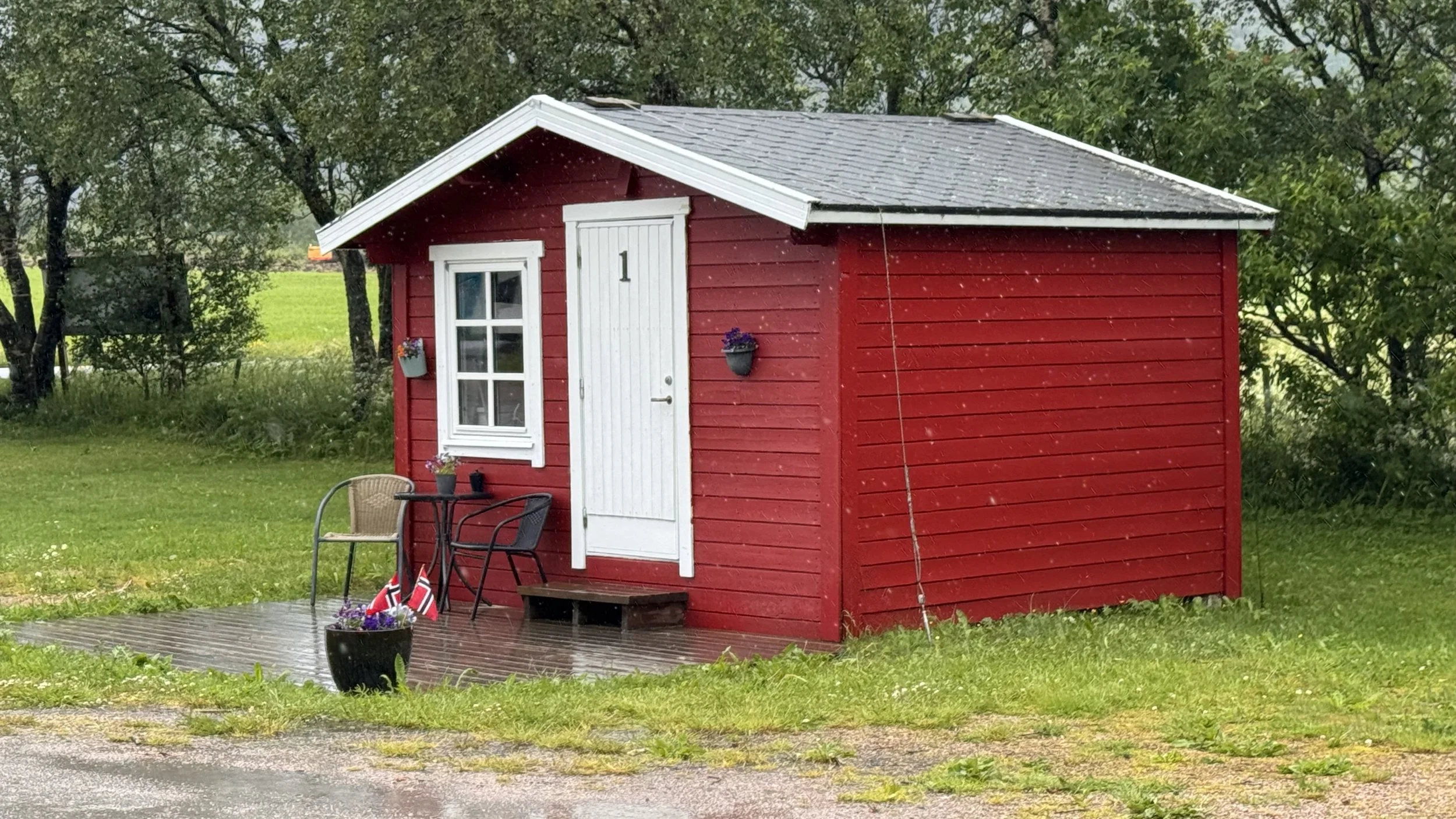
The heroes of the day were the following items: My gloves of wool, my cap of wool and my hardshell GoreTex jacket. I was freezing my butt off. Temperature constant at +6 C and the rain pouring for most of the eight hours I was on the road. Expecting this, I had booked a roof for cover for the night. The hut was not much to talk about, but the shower compensated with plenty of hot water.
Day 09+10 Bodø
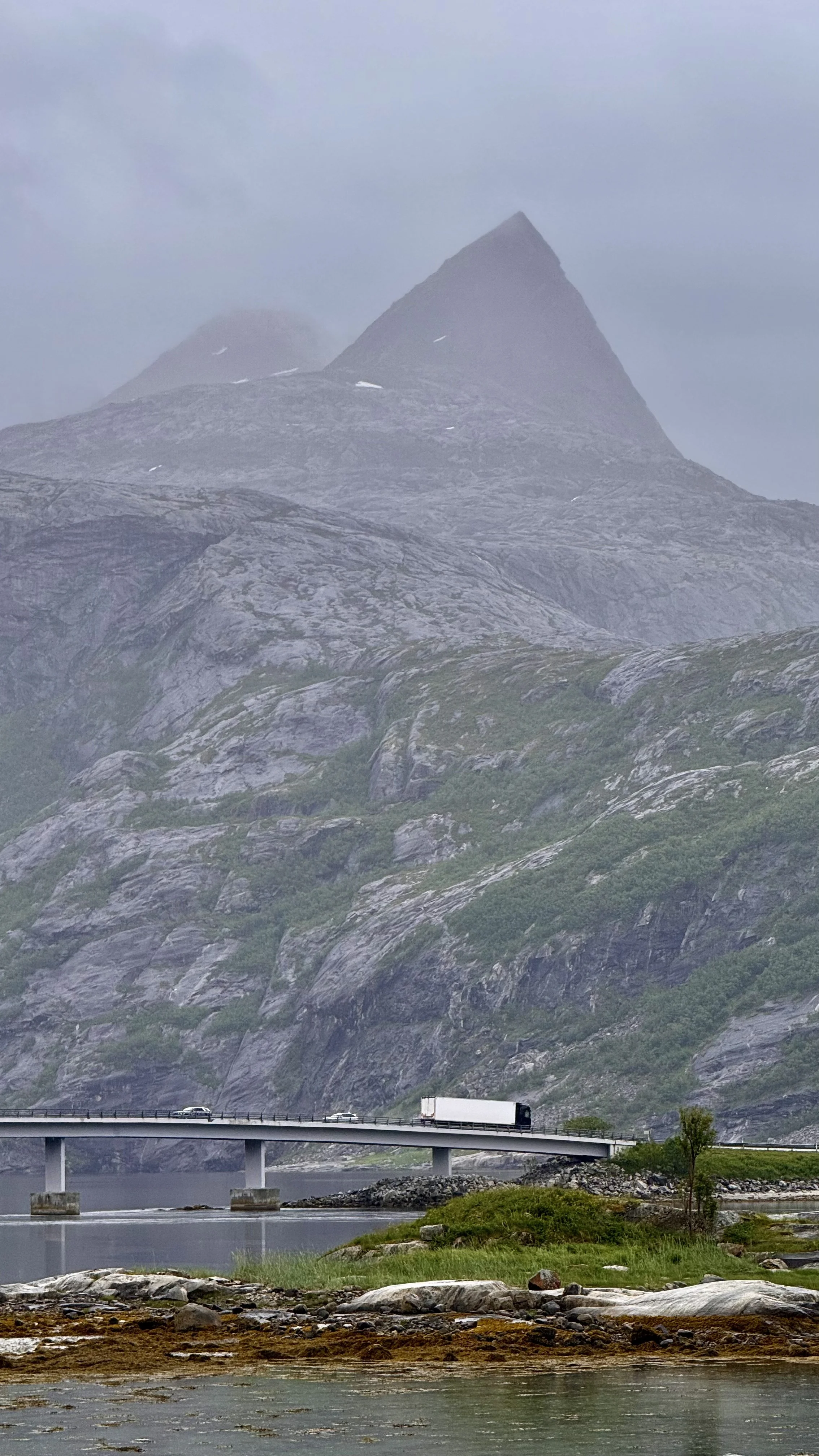
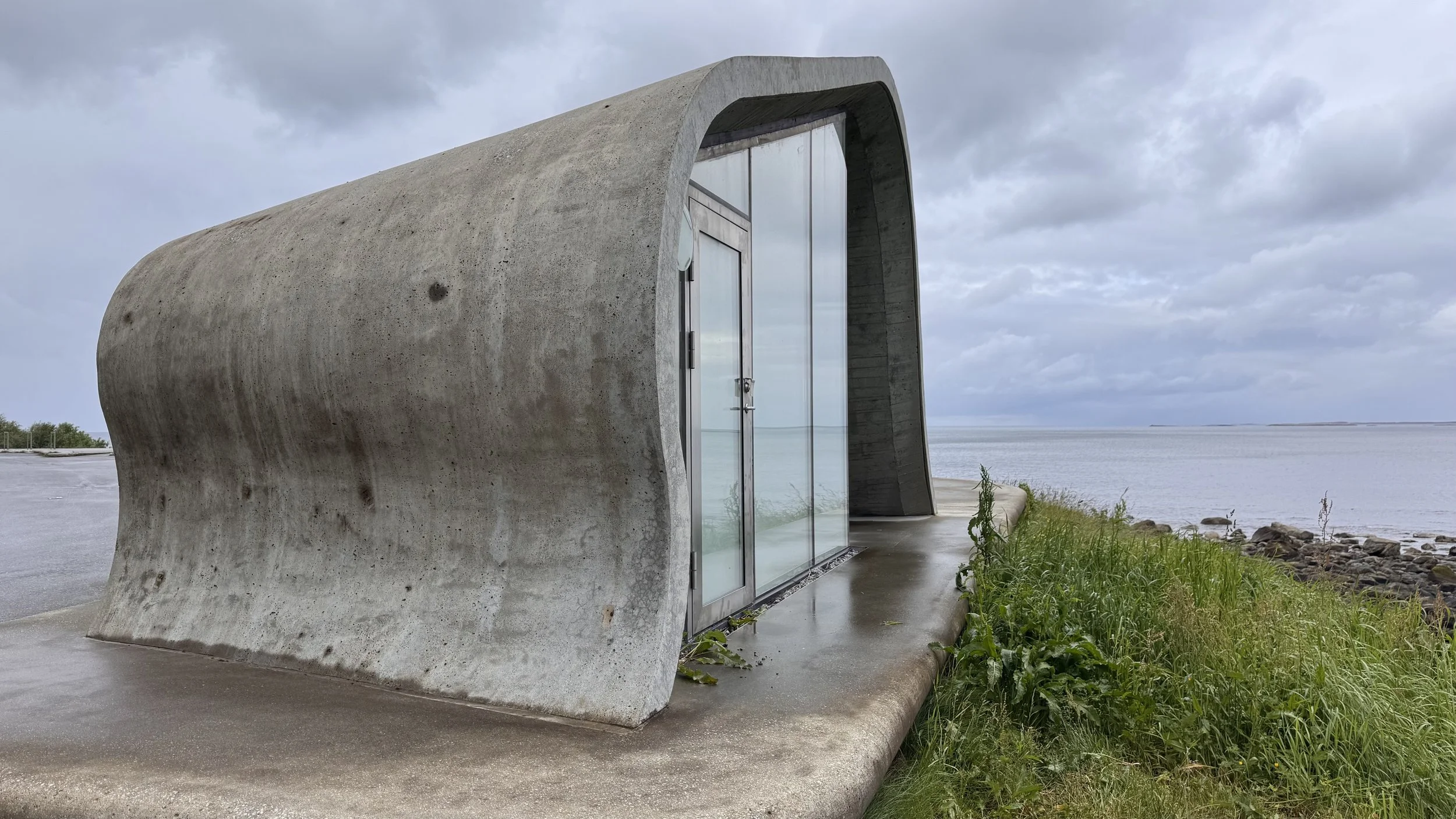
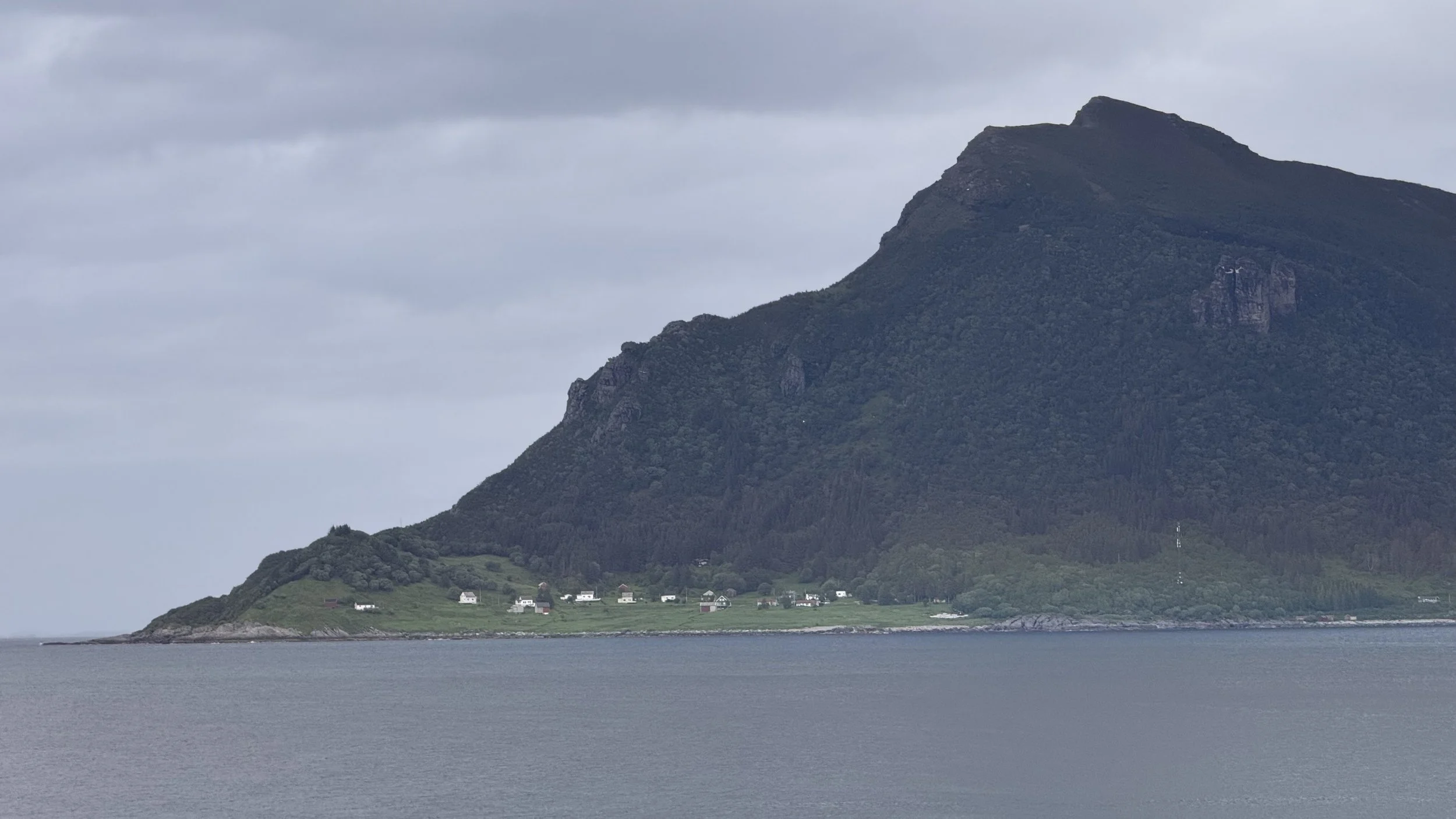
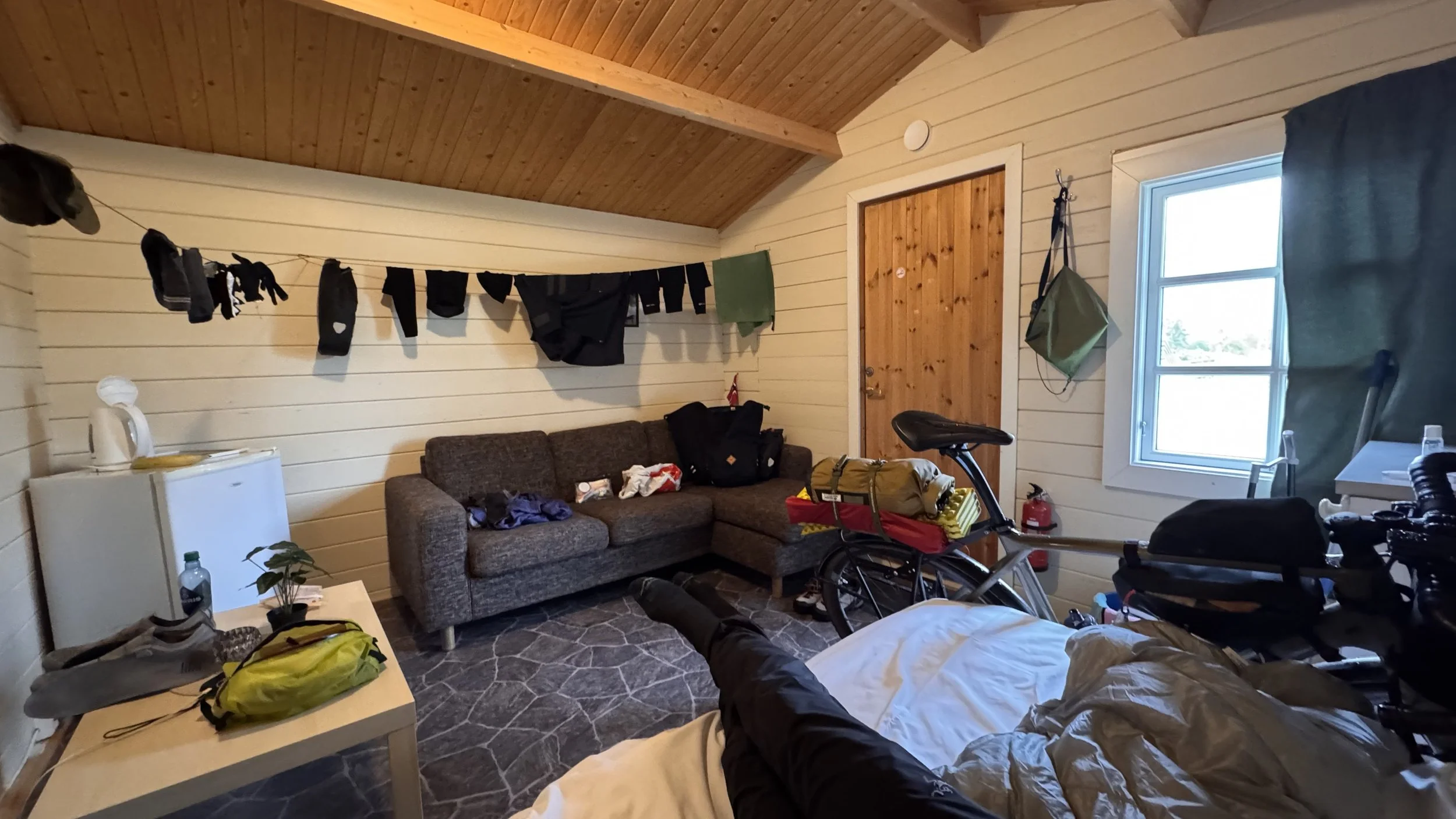
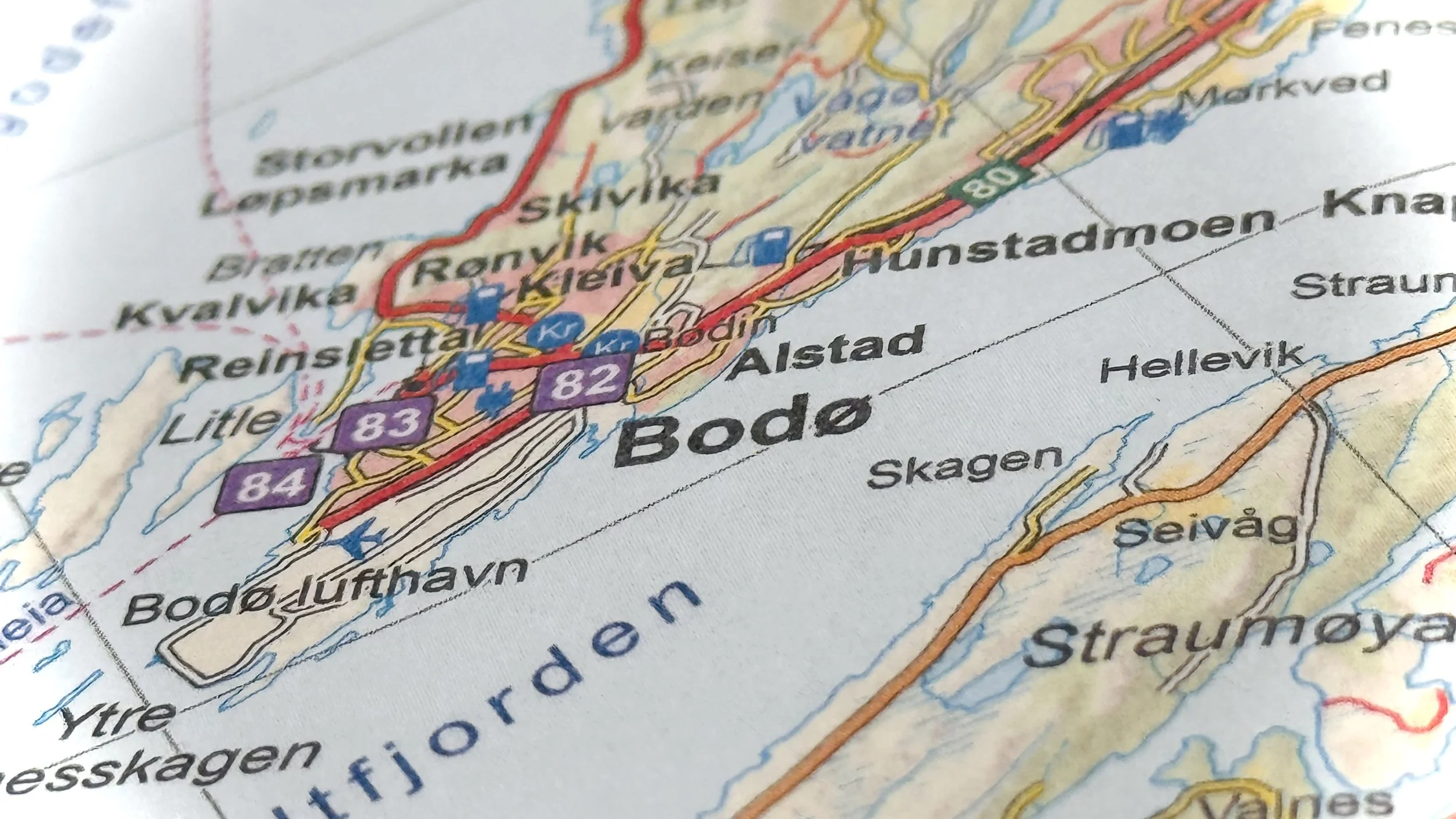
Enjoying a couple of really lazy days in Bodø waiting for the weather to improve. Just reading, doing laundry and some bike adjustments. Anxious to move on South tomorrow. I expect rain, but at least less wind than the last couple of days.

Day 08 Værøy - Bodø
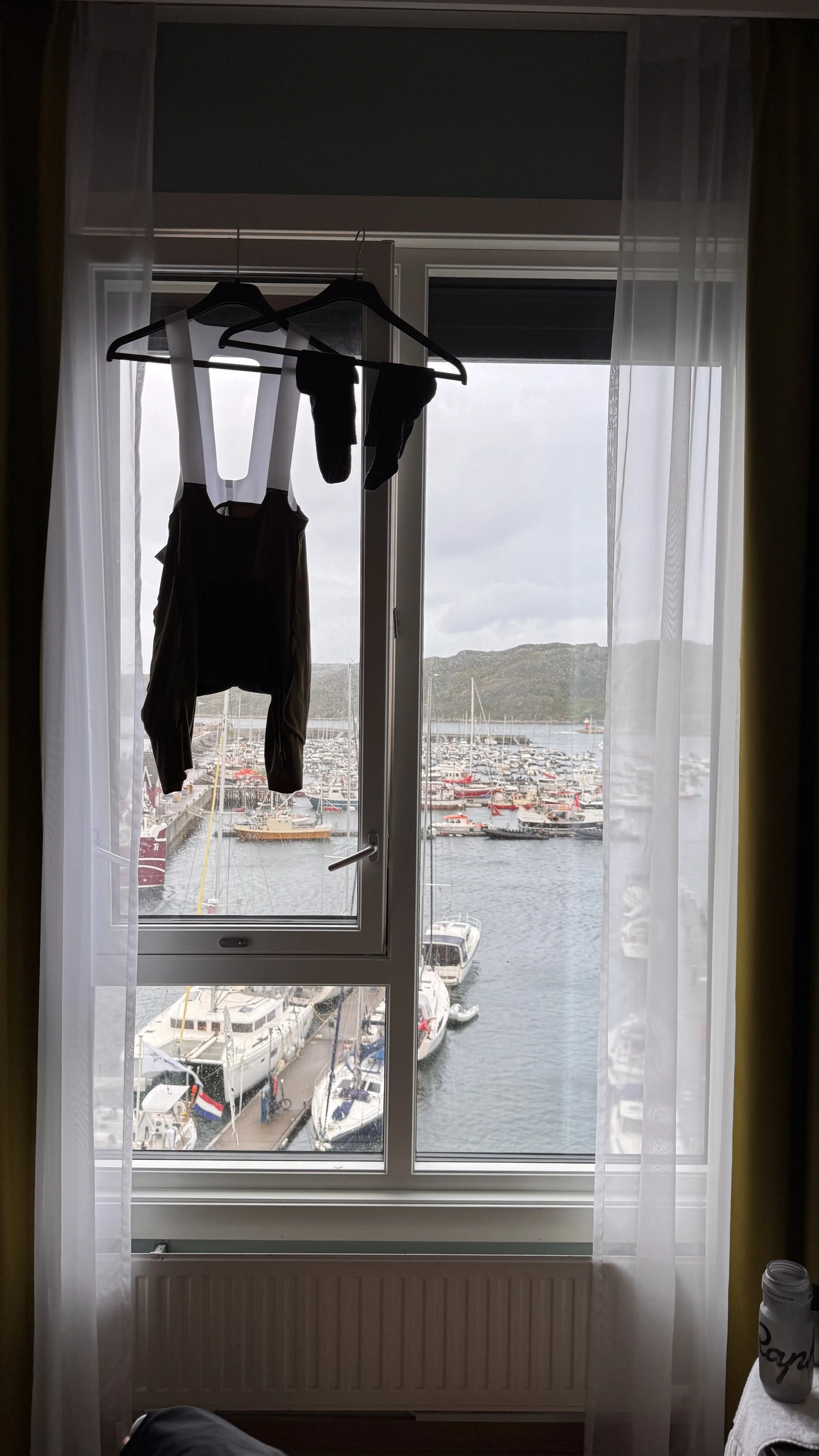
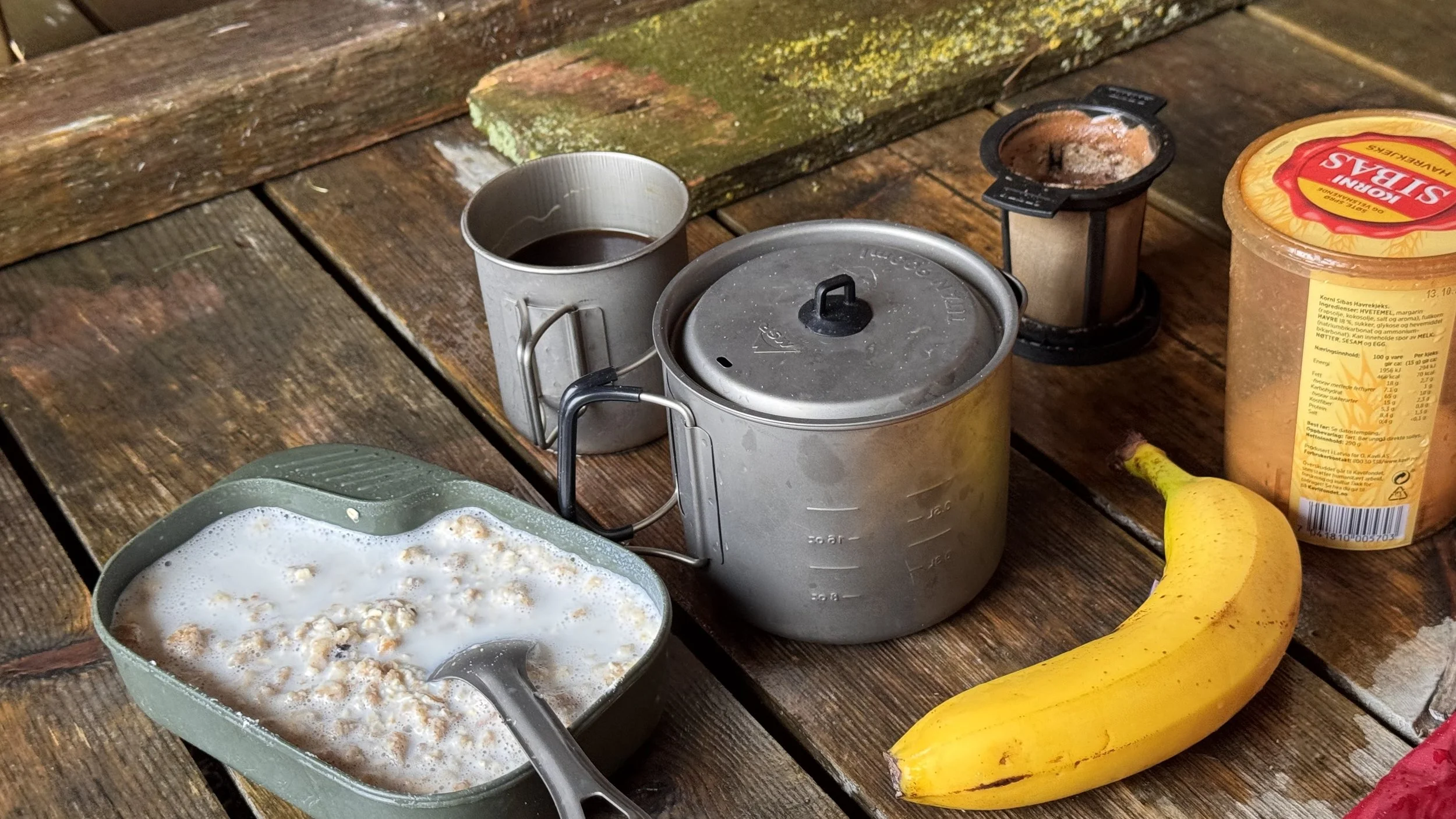
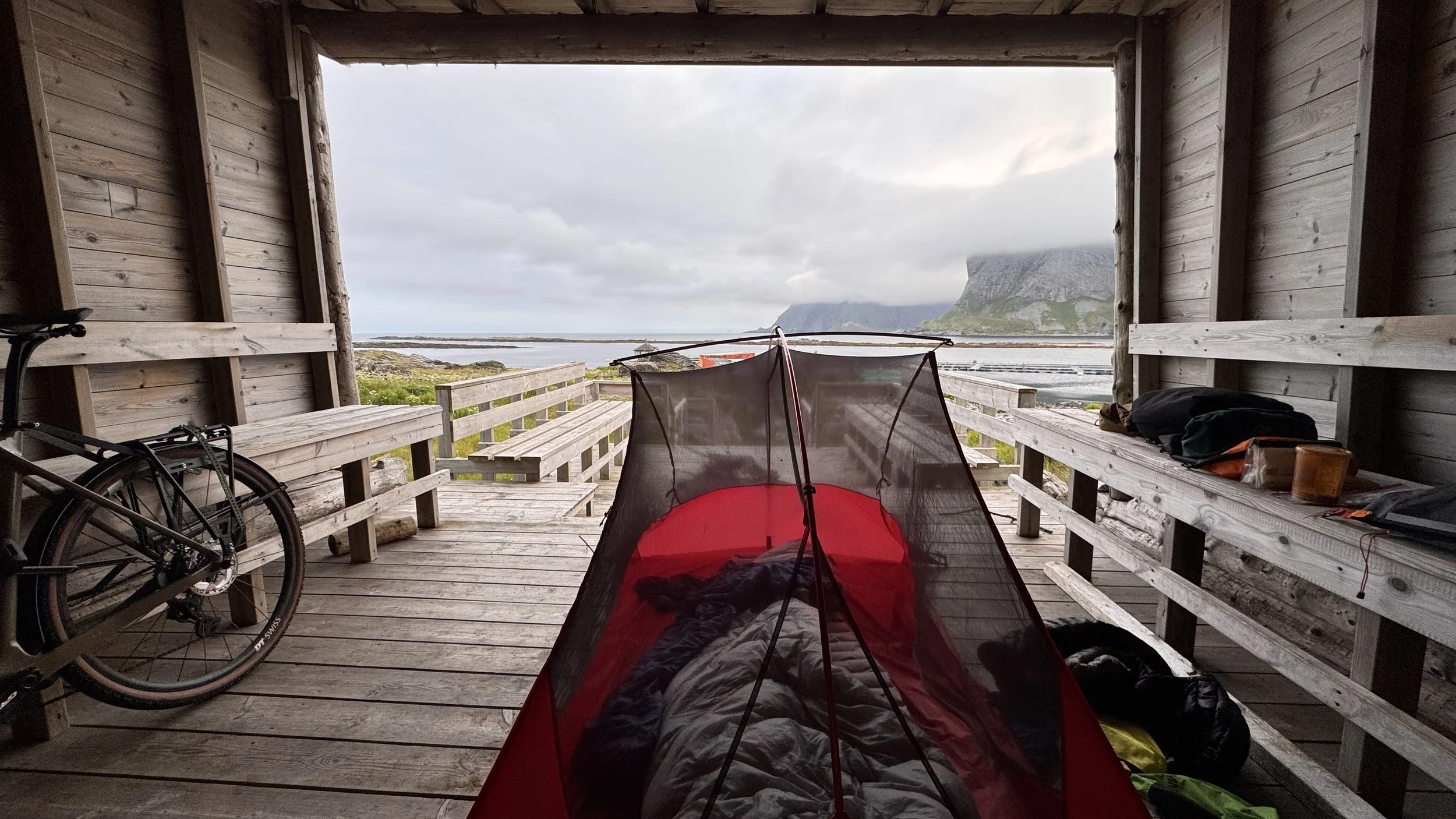
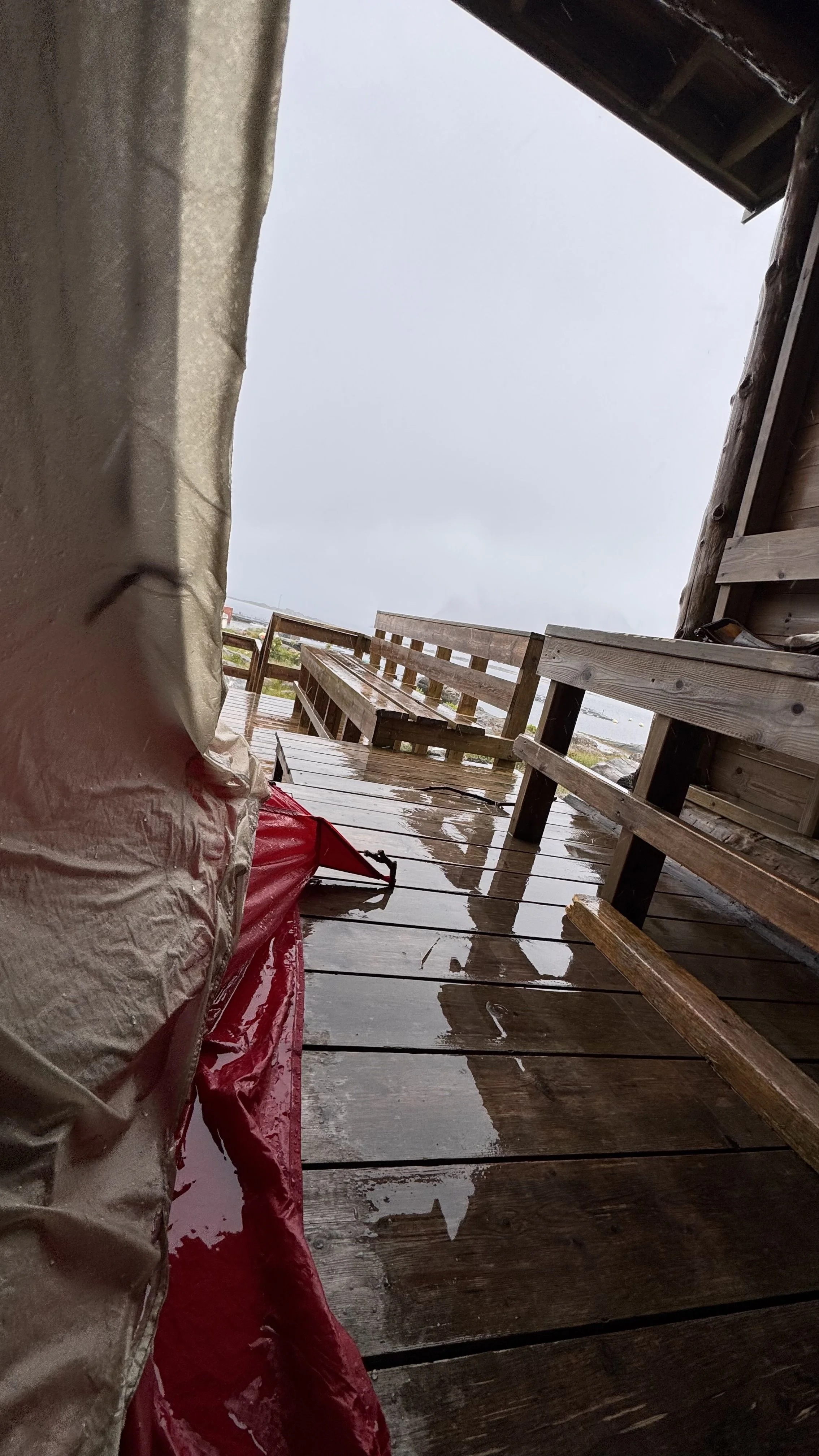
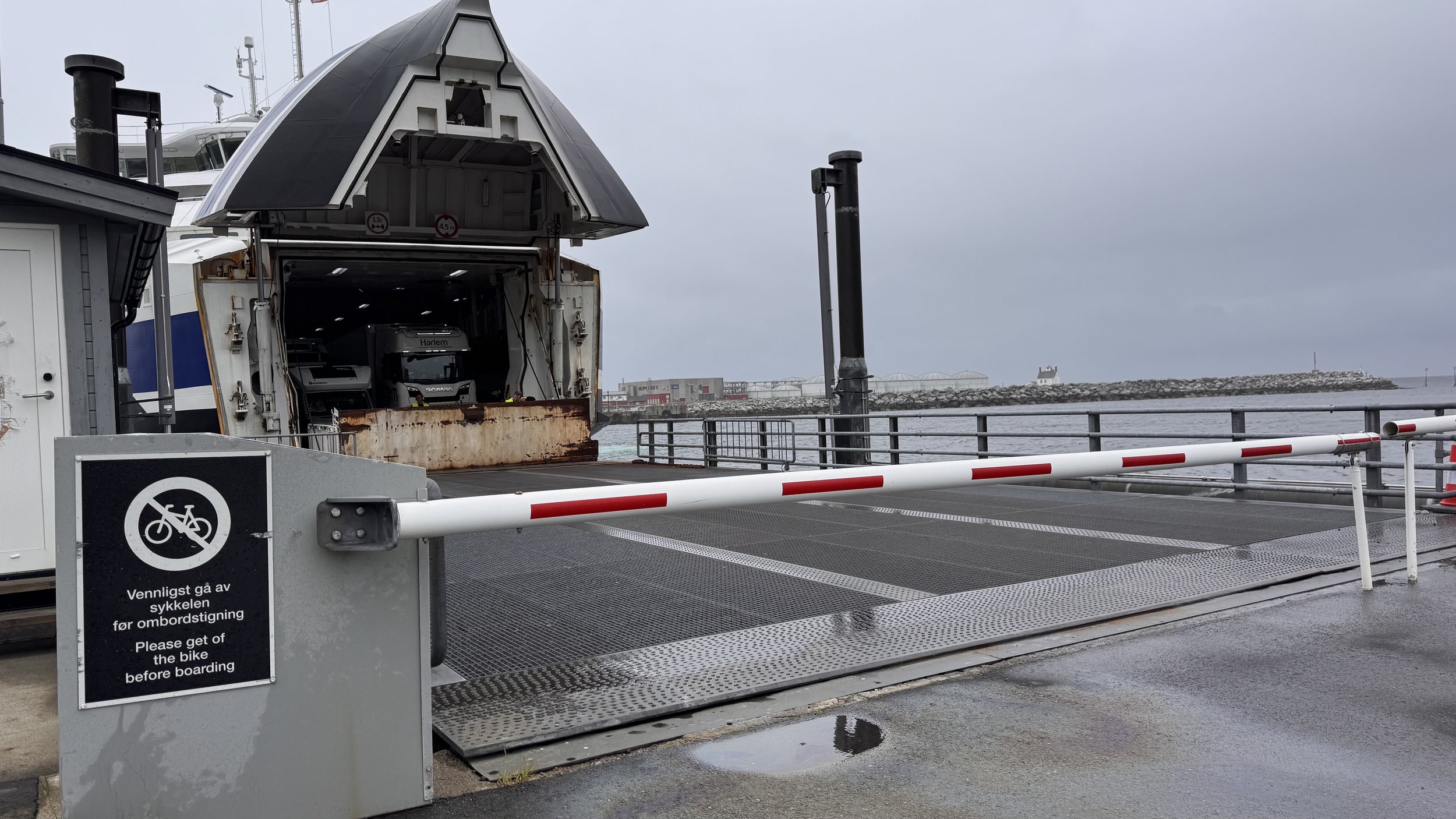
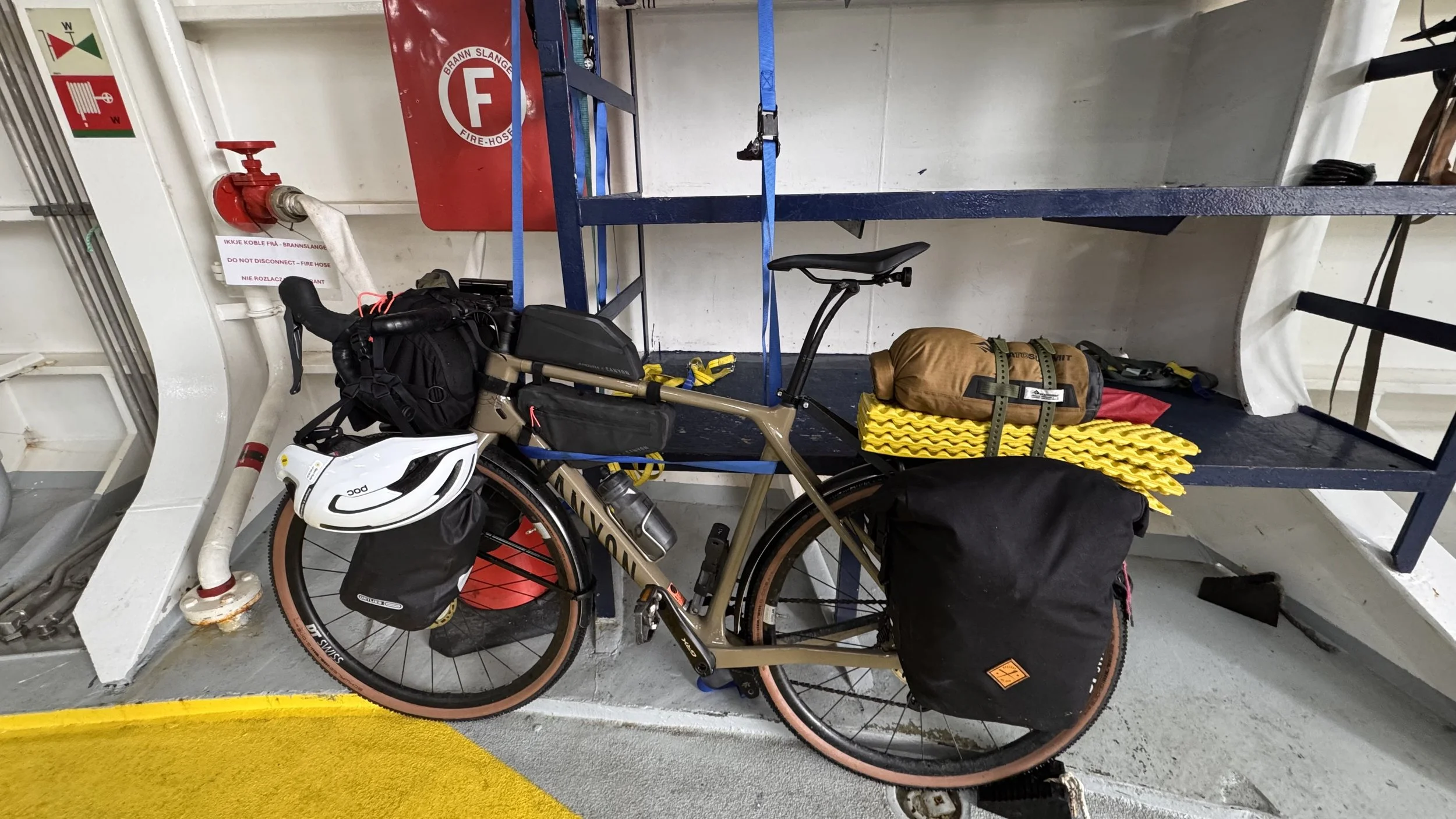
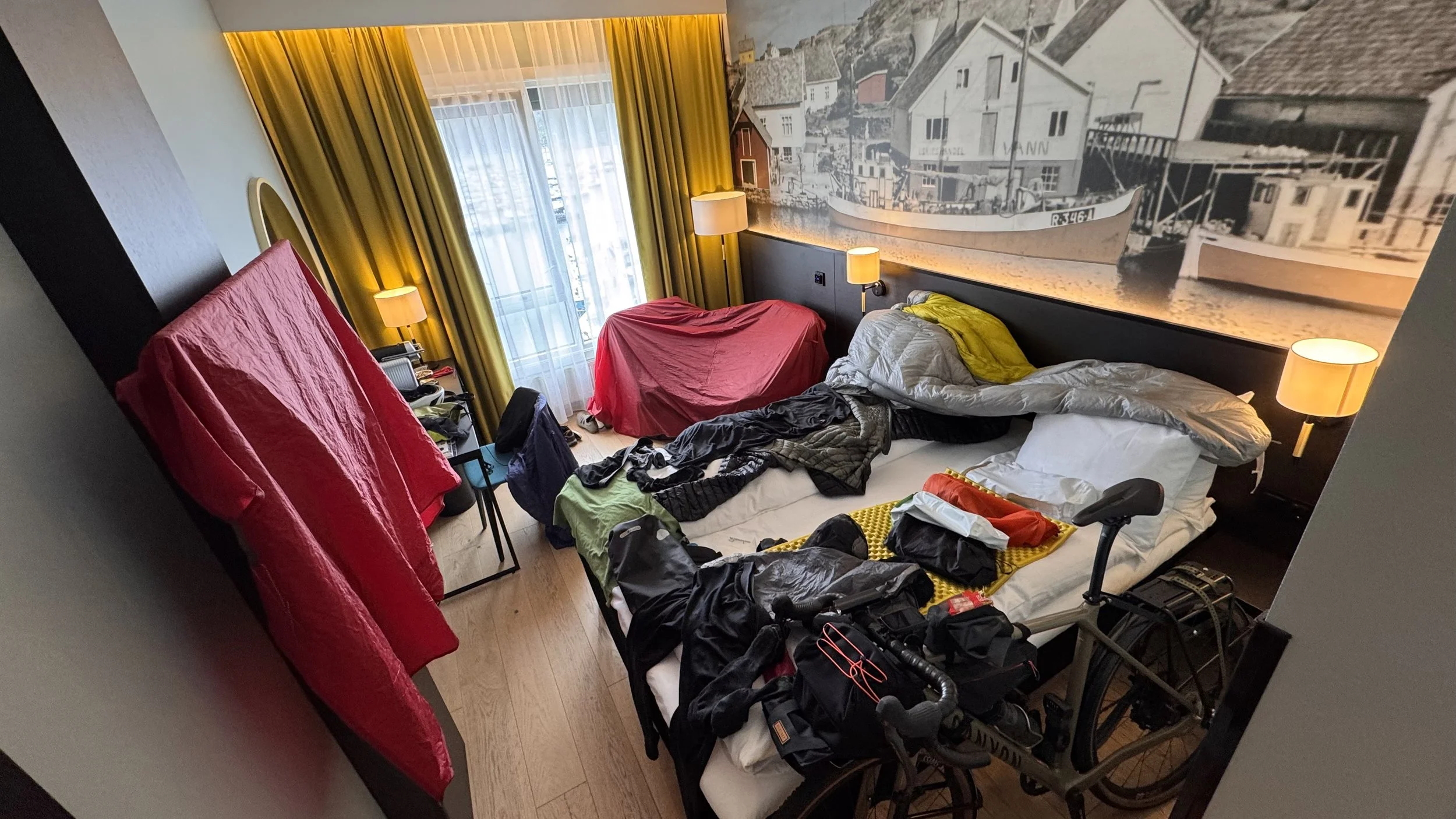
The weather has turned for sure. I was lucky to find a shelter to pitch my inner tent inside. However, the shelter roof turned out to be of no use—I woke up in the middle of the night by splahes of water on my face. Adding the outer tent on top quickly fixed the problem, but most things got wet before I eventually was packed up and ready to take the ferry to Bodø. After a week on the road and soaking wet the embrace of a dry room feels really nice.
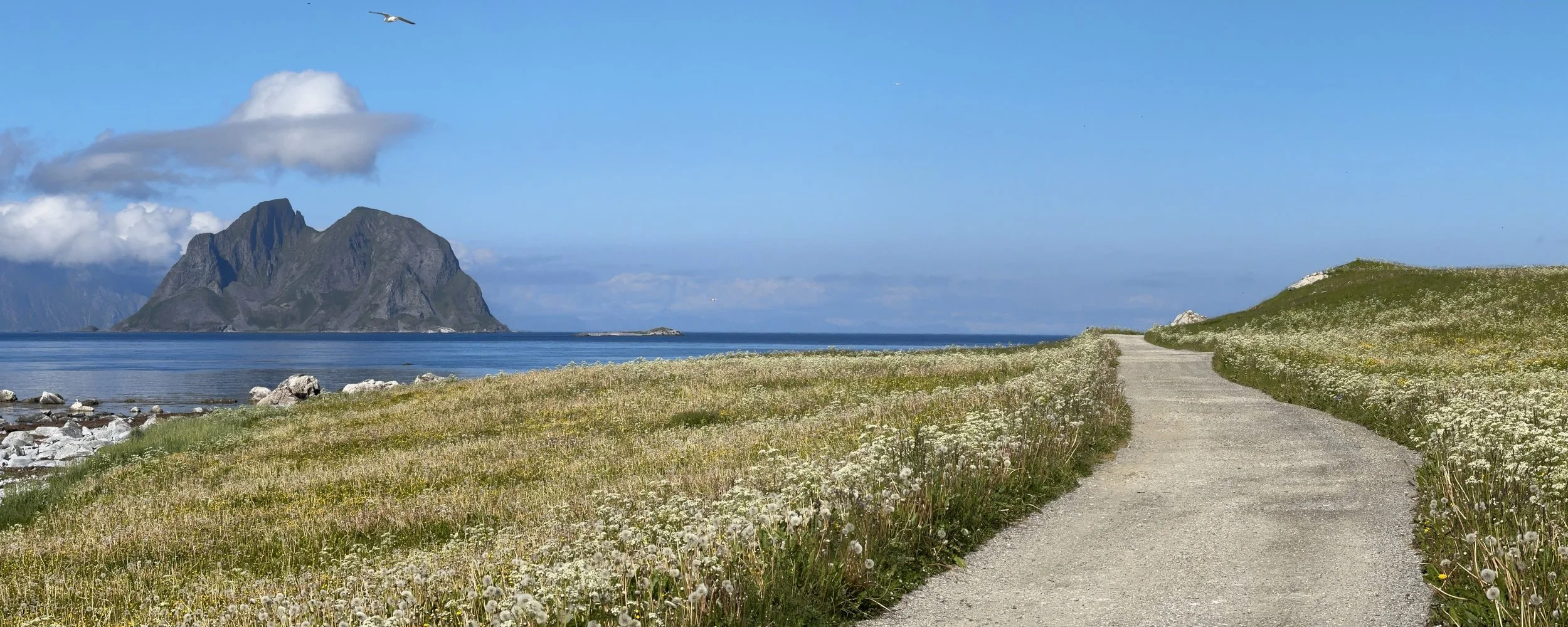
Day 07 Værøy - Værøy
Spending two nights at Værøy left a full day of doing nothing. Just reading and hiking and reading some more. Listening to the birds and the wind. Feeling both a delight and a stress for having no cellphone connection on this side of the island. The forecast promises change of weather and I relocate the campground closer to the ferry—I head on to Bodø tomorrow morning.
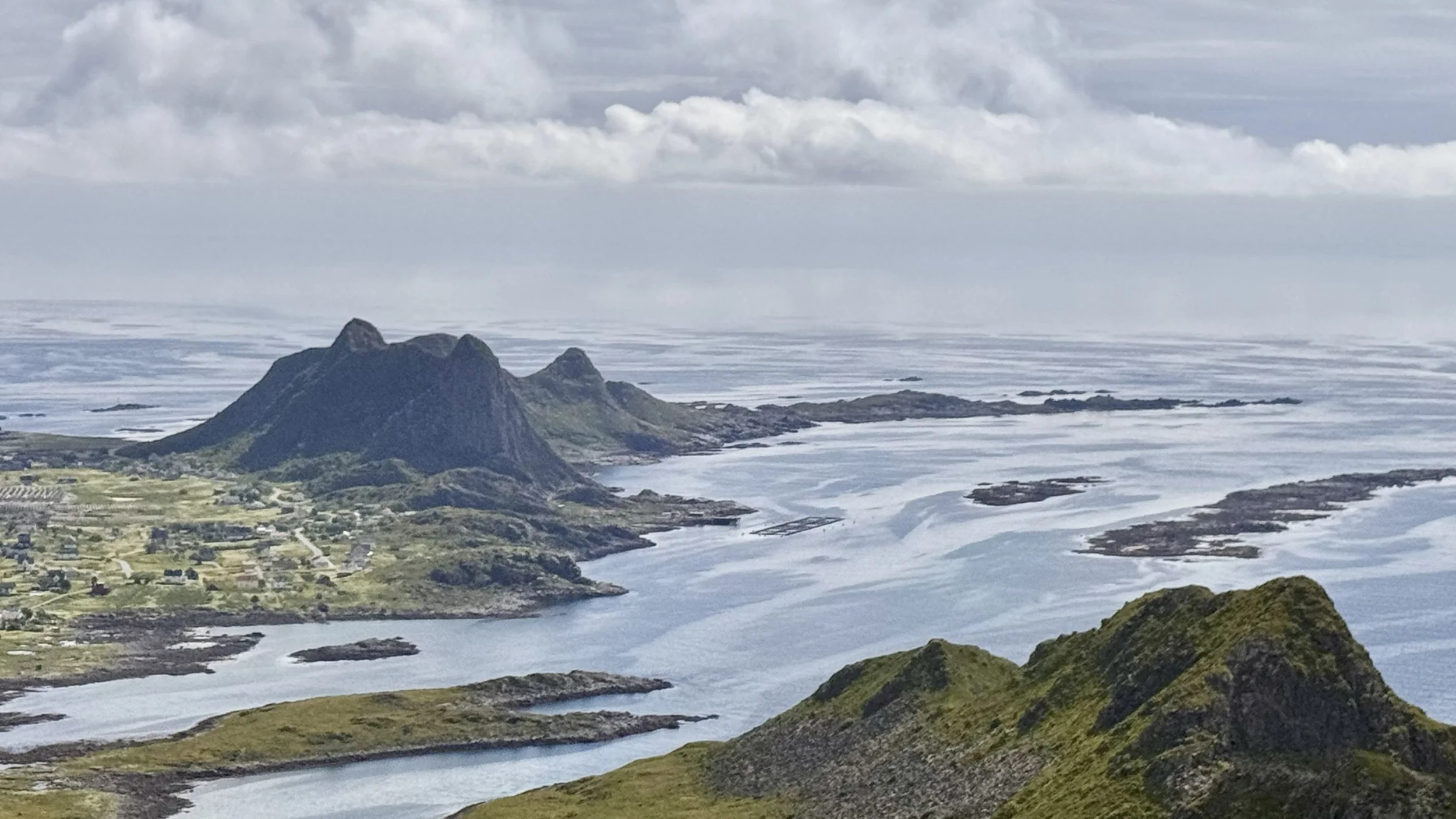
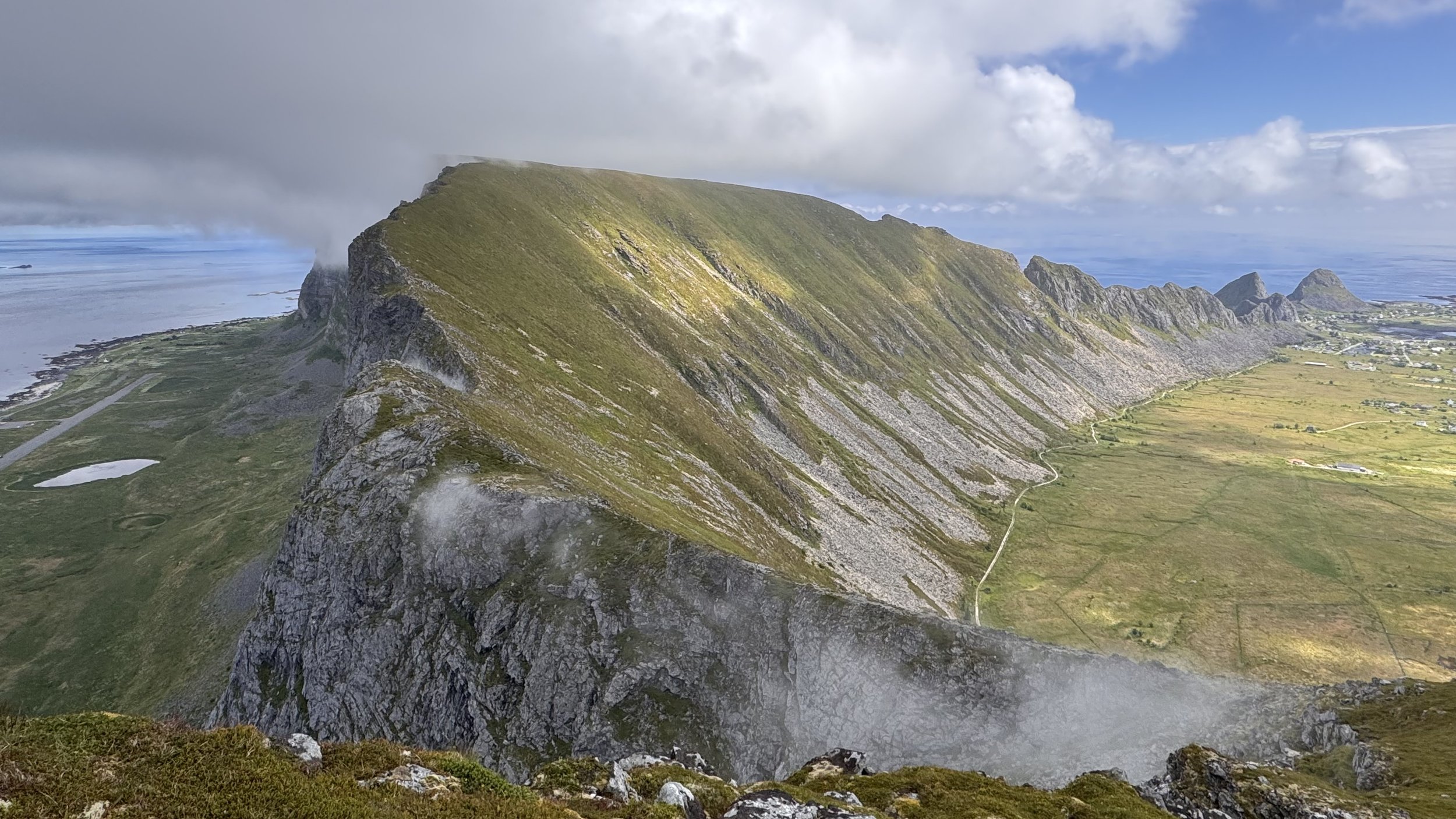
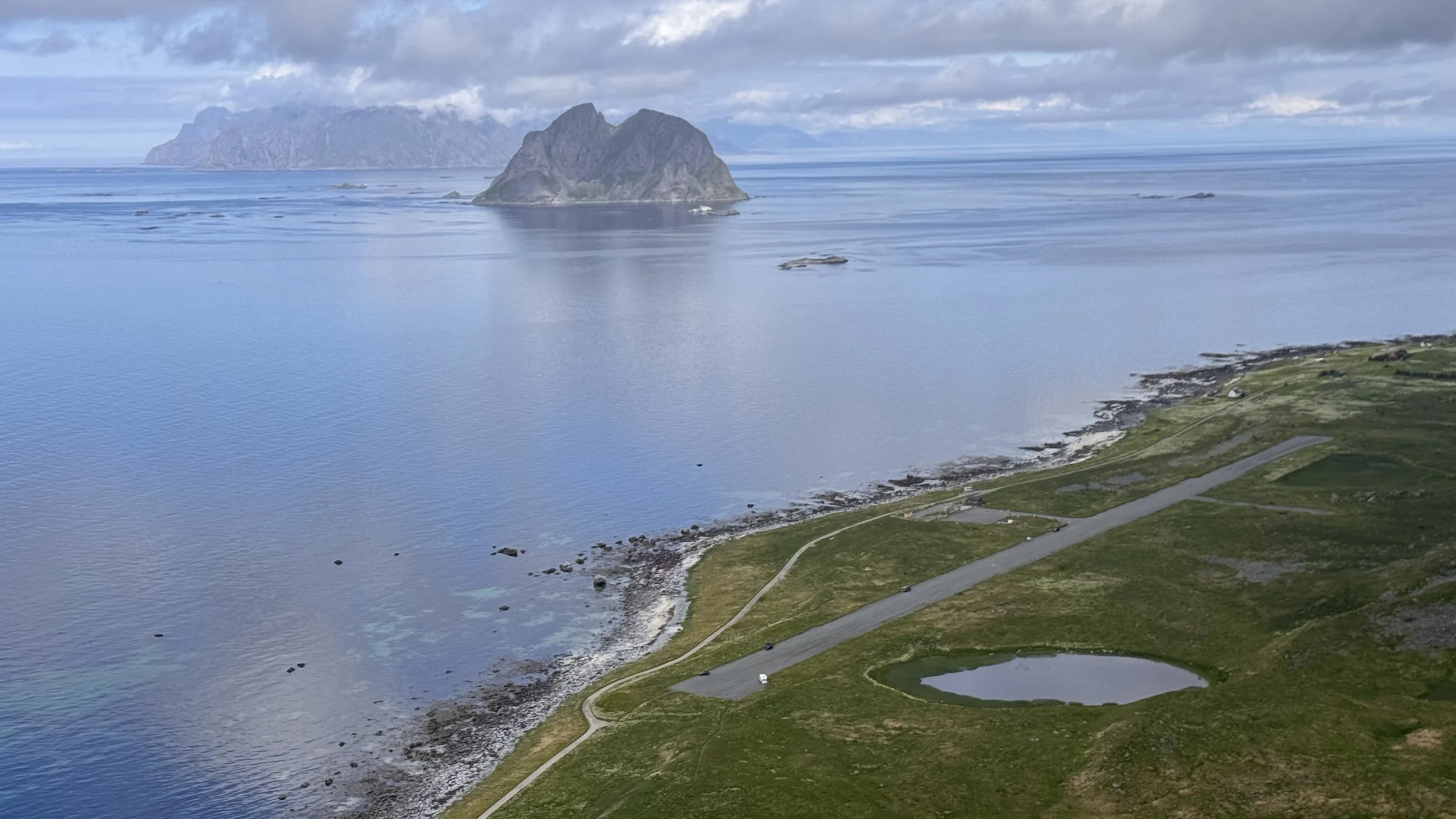
Day 06 Moskenes - Værøy
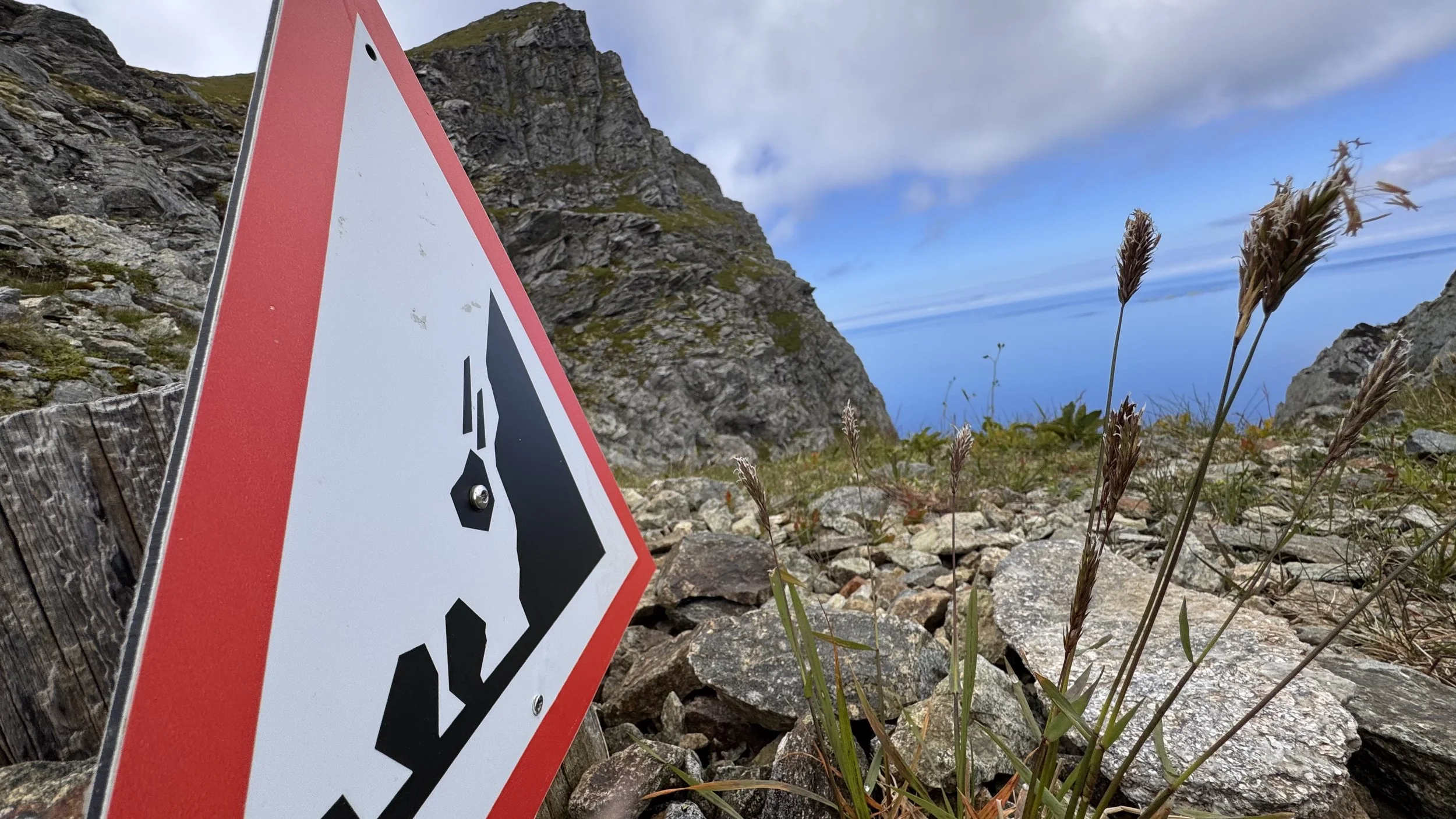
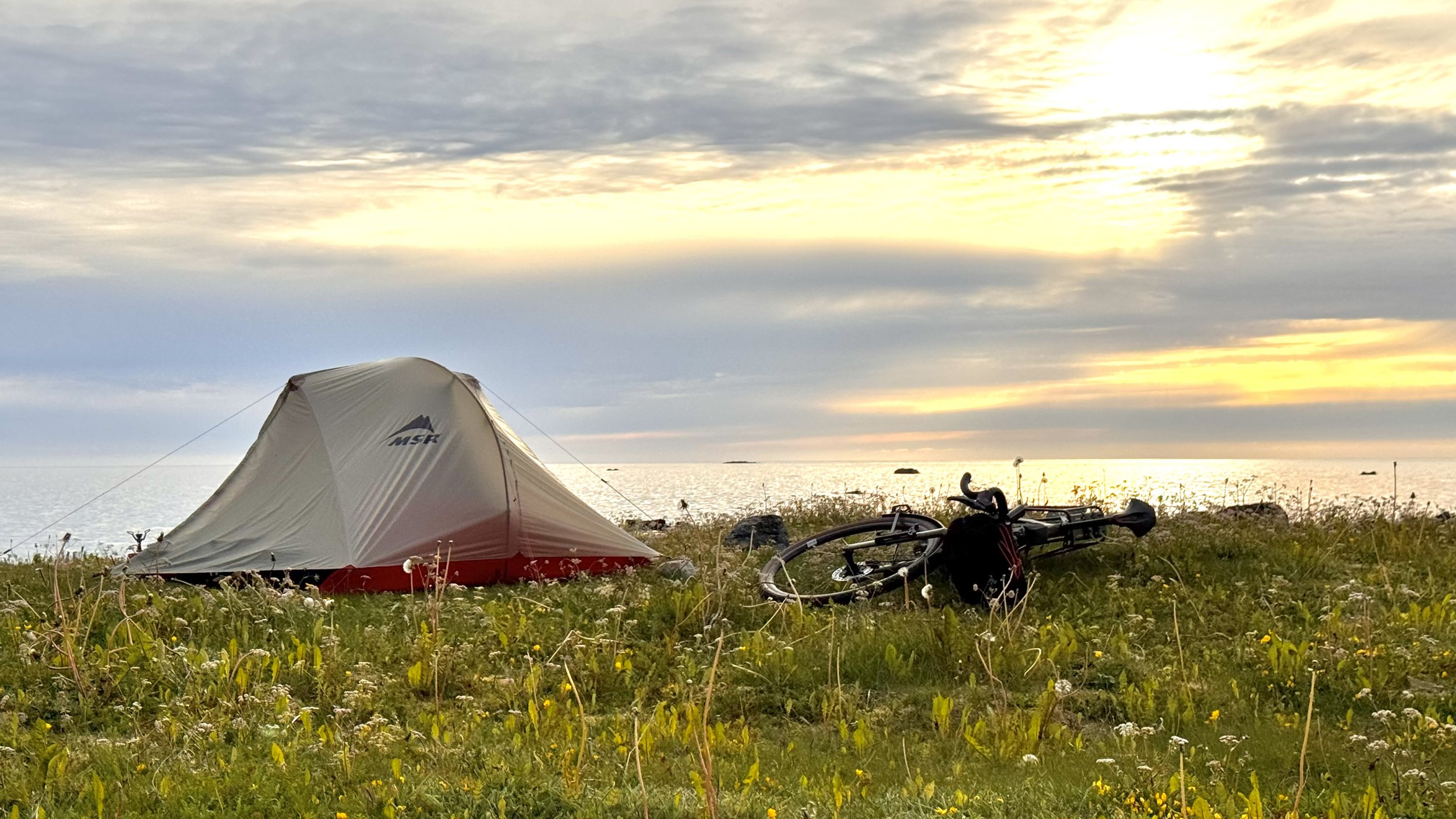
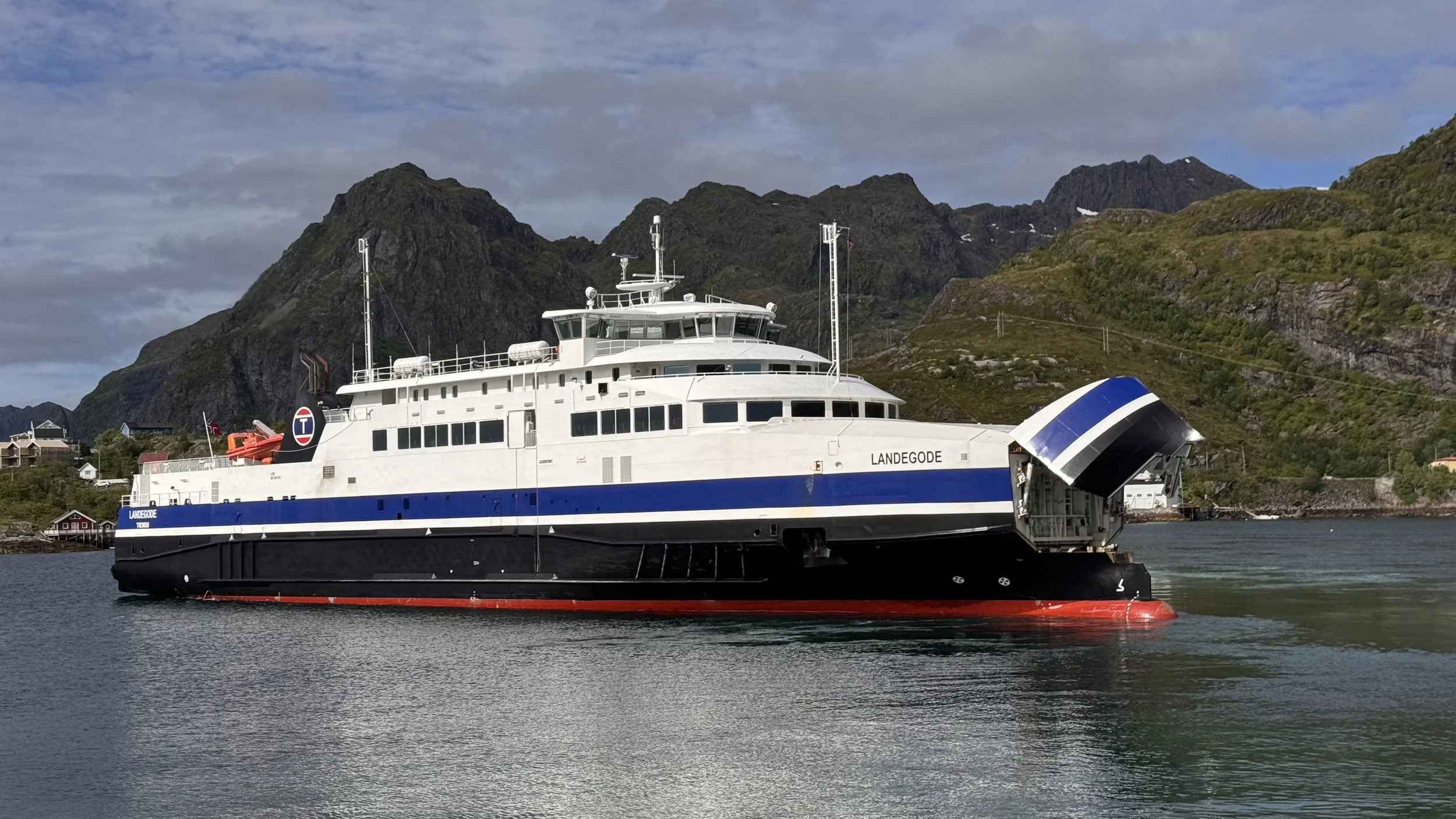
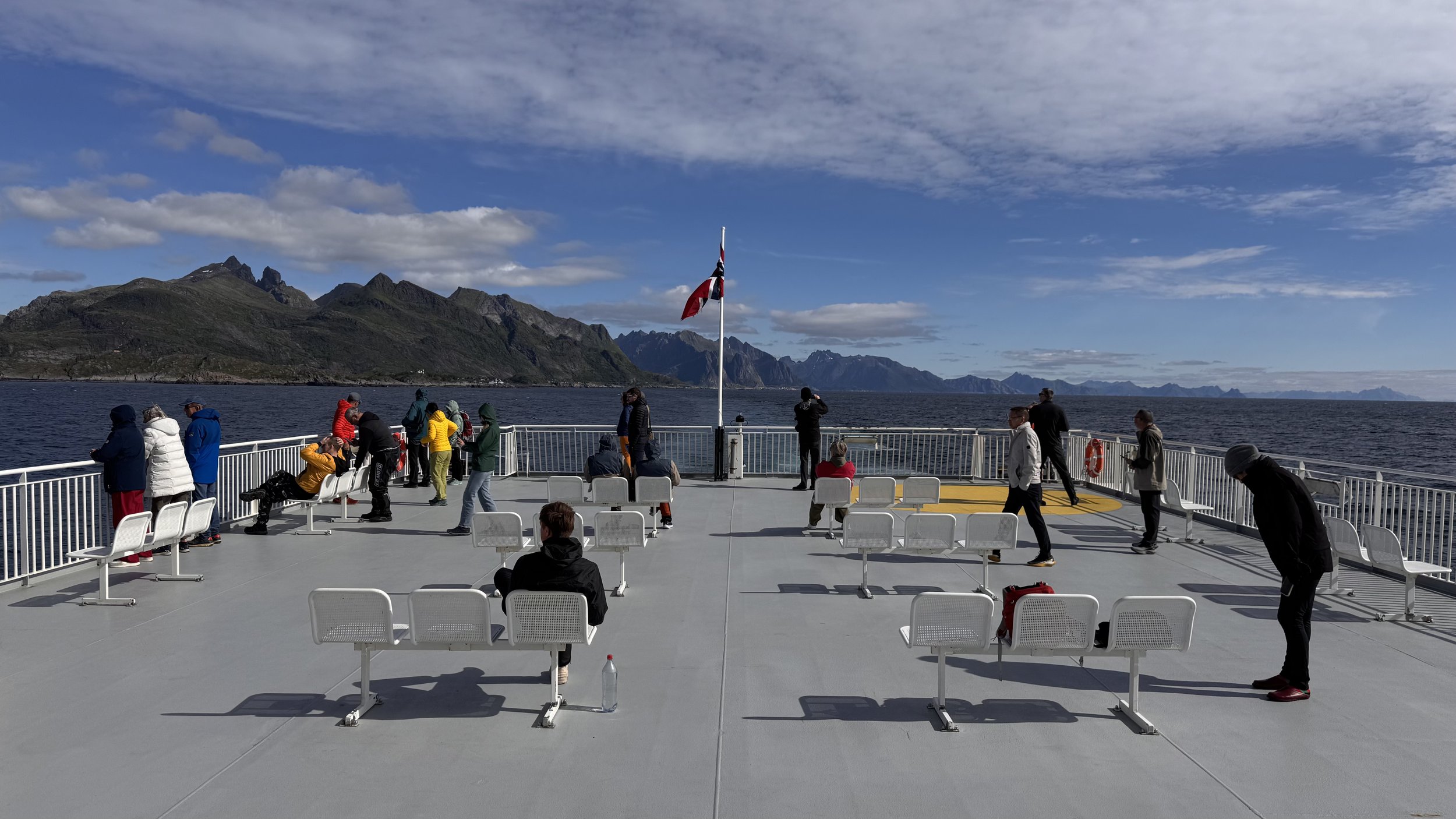
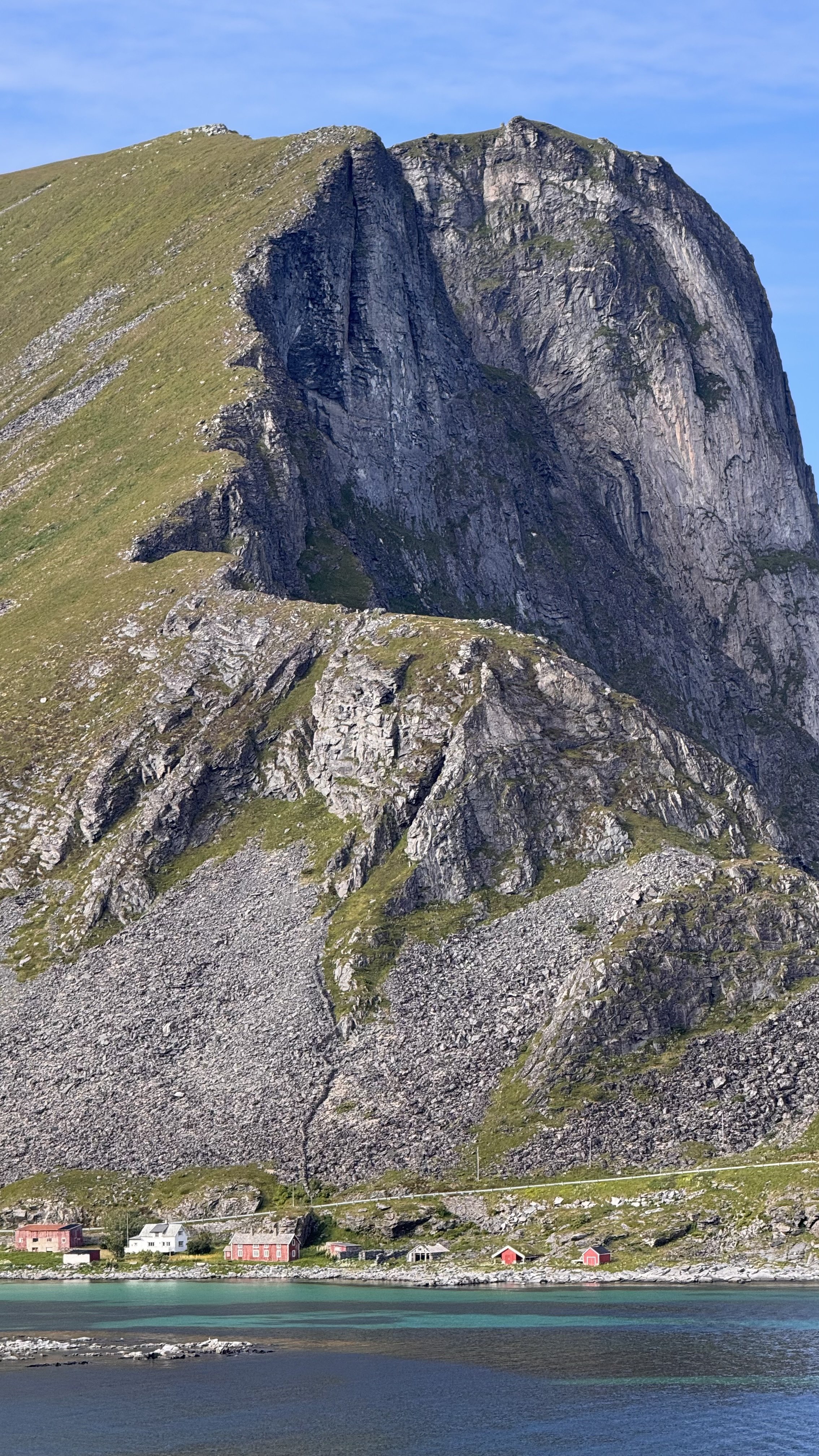
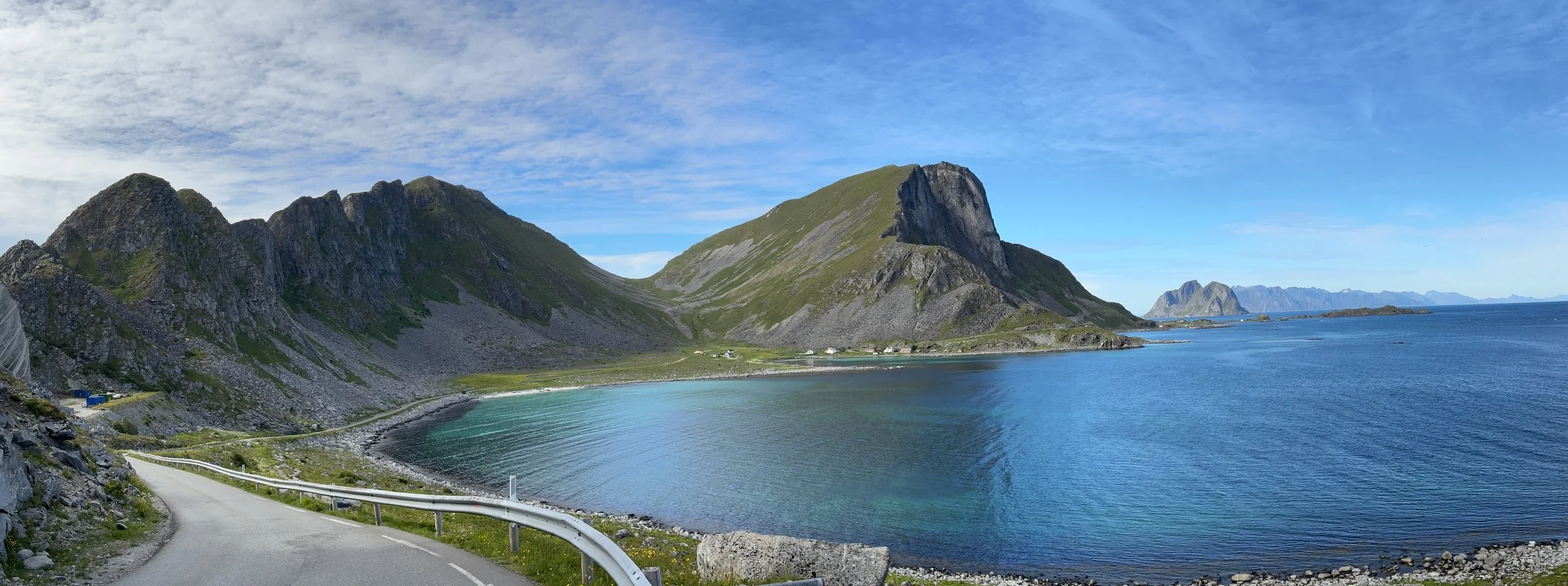
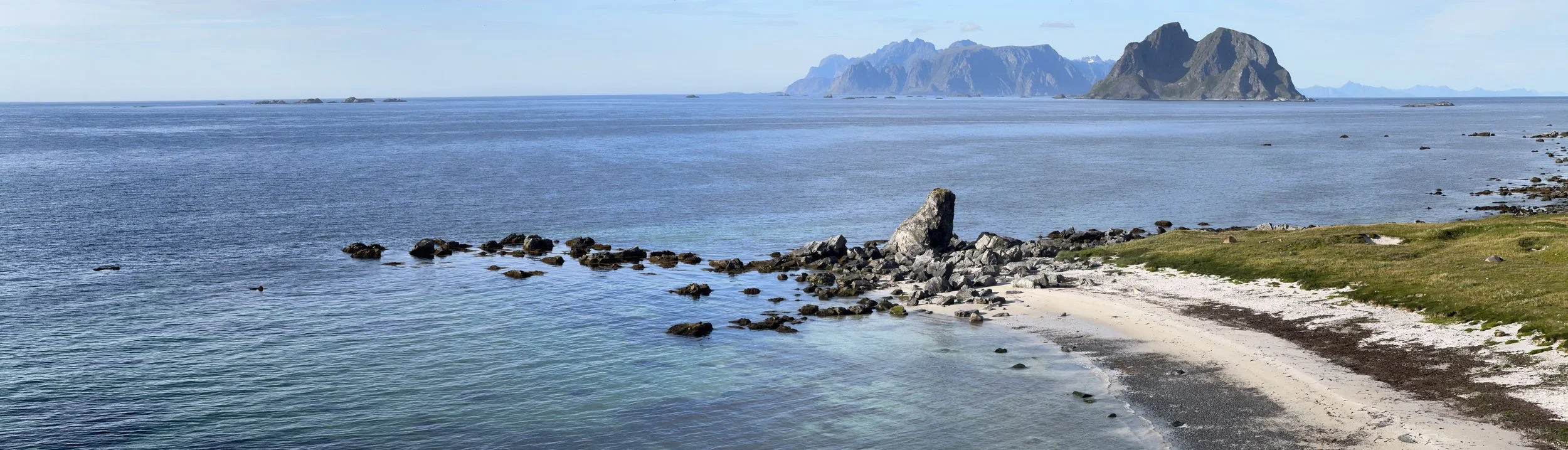
Changing pace and slowing down to exploration mode. The ferry takes me 30 km South to Værøy, an island with a population of 400. A road brings me 8 km to the north end, with a desolated airstrip and white beaches. Just two more tents, in addition to mine. Steep mountainous cliffs dive from 300-400 m into the ocean.
Day 05 Moland - Moskenes
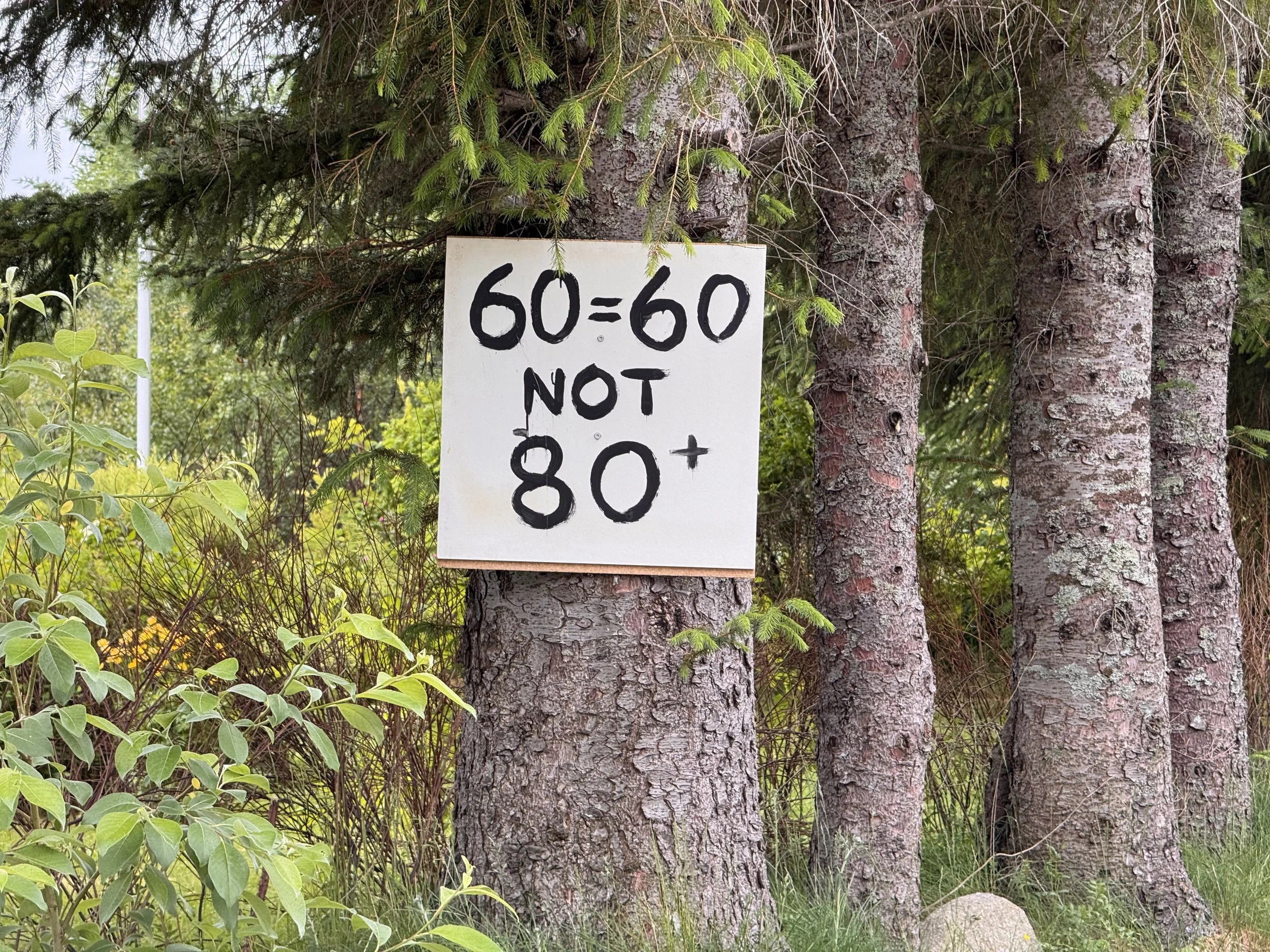
Feeling bored and want something exhilirating? Try biking in a tunnel. 2 km long. Traffic at 80 km/hr. At first you hear a faint sound. Soon it gets louder, but you have no idea which direction the car comes from. When the sound is so loud you think you can’t bear it any more, there is still no car. Just the volume getting even higher. Eventually all you can think about is your grip on the handlebars and the road 10 m ahead of you. And then the car passes and you start thinking about the next one.
Day 04 Stokmarknes-Moland
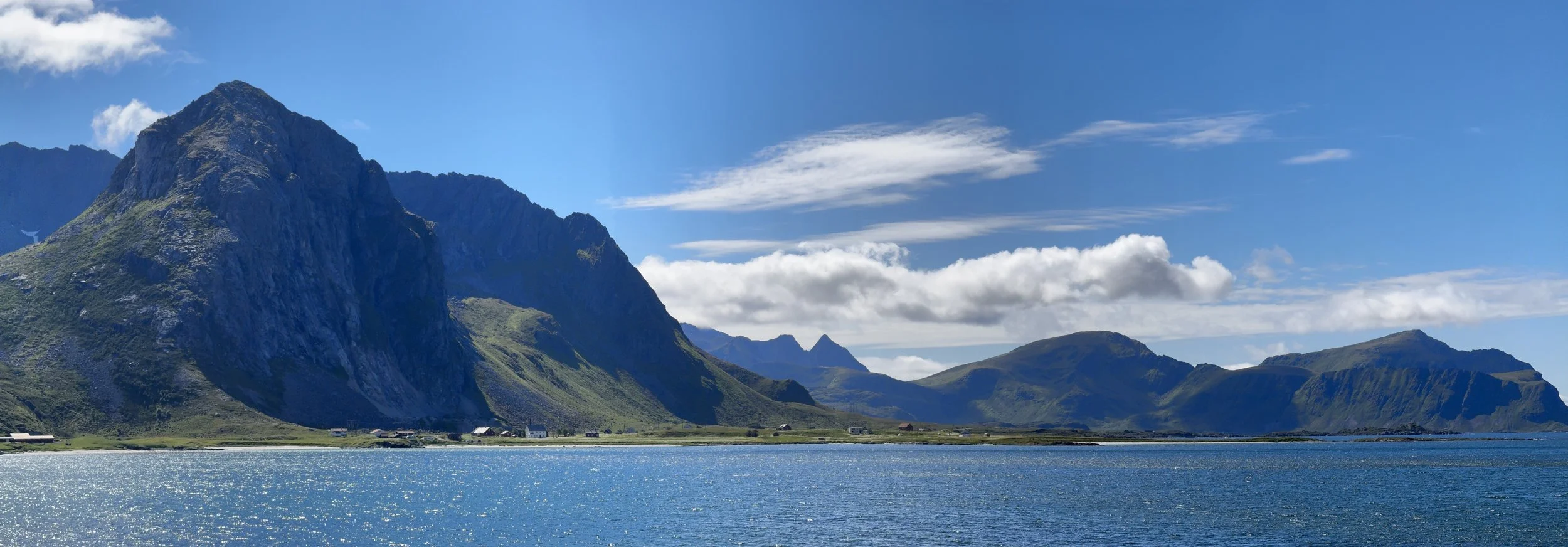
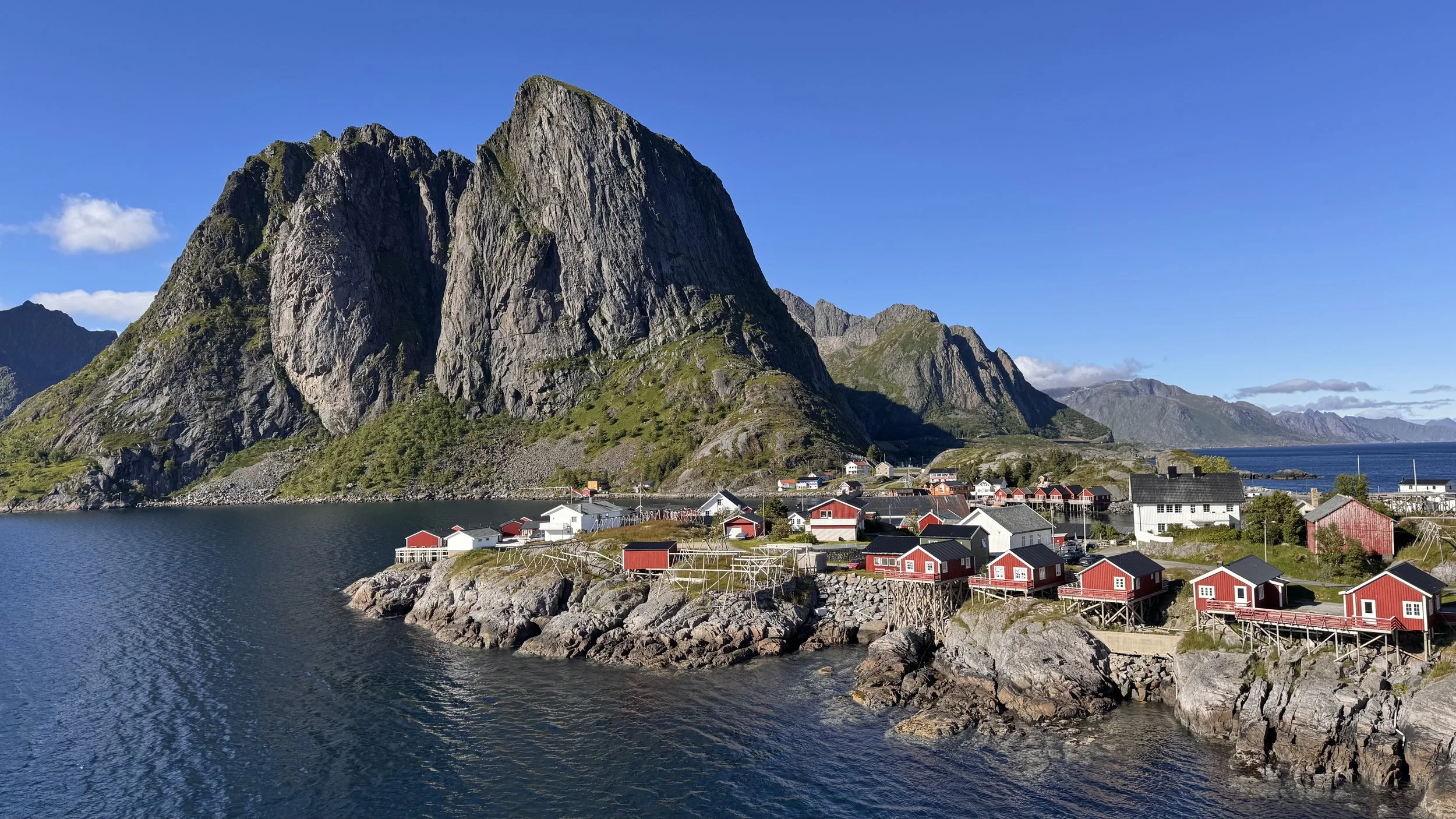
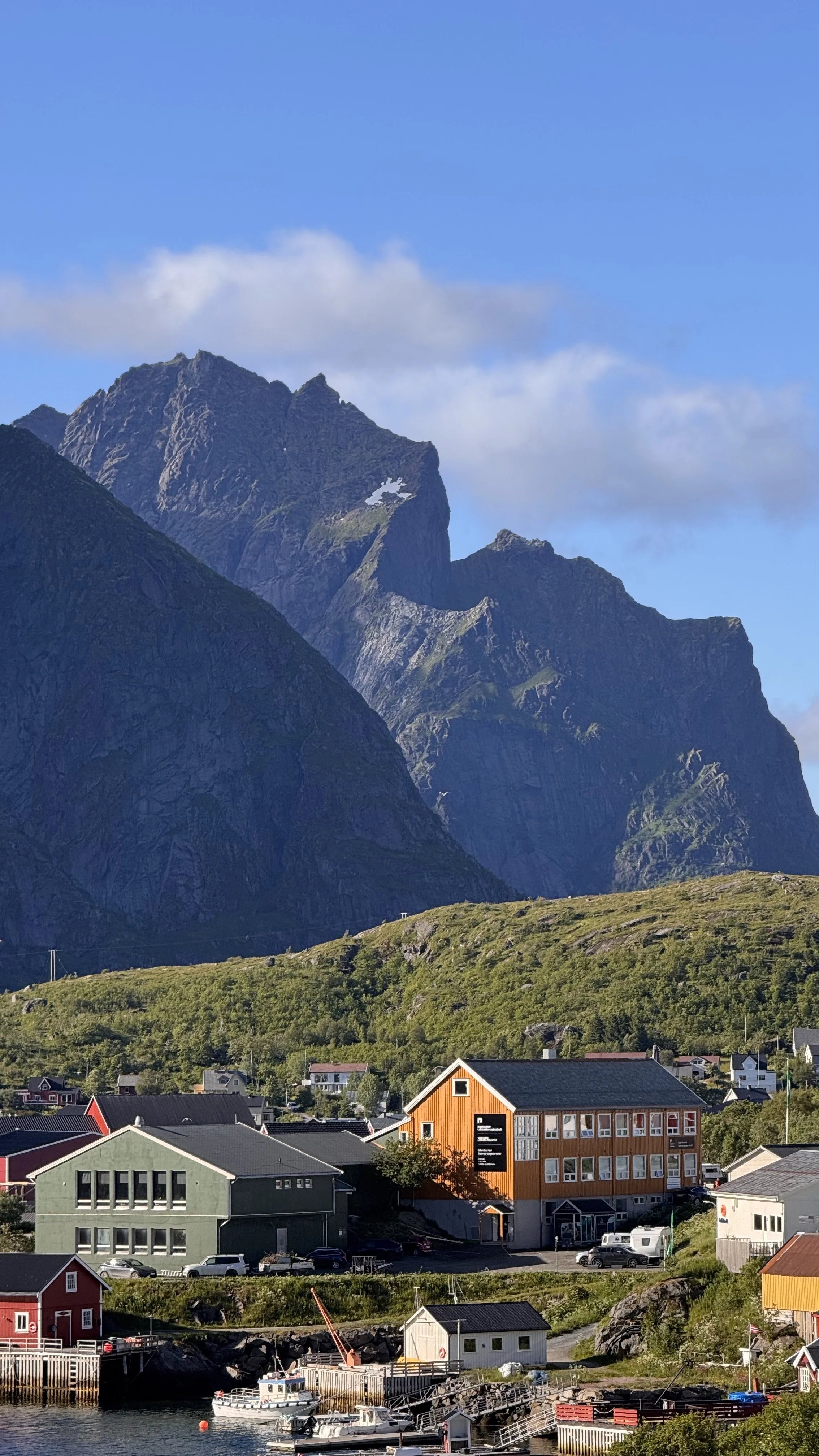
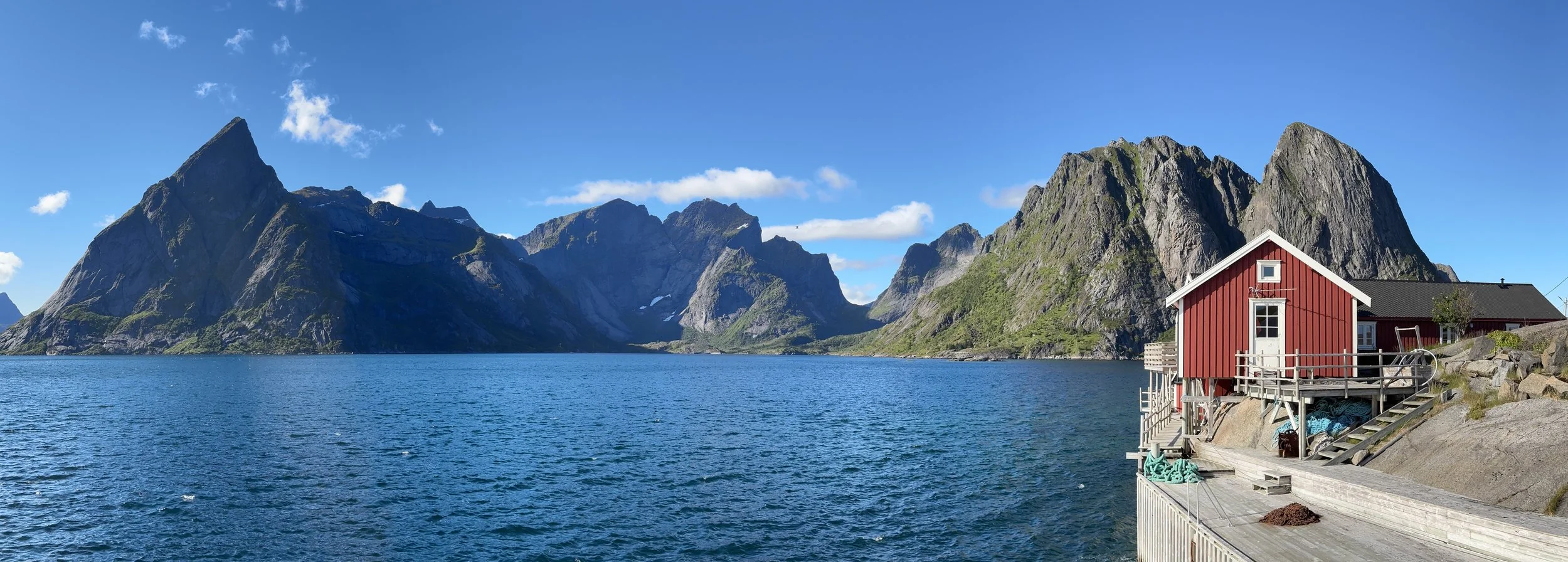
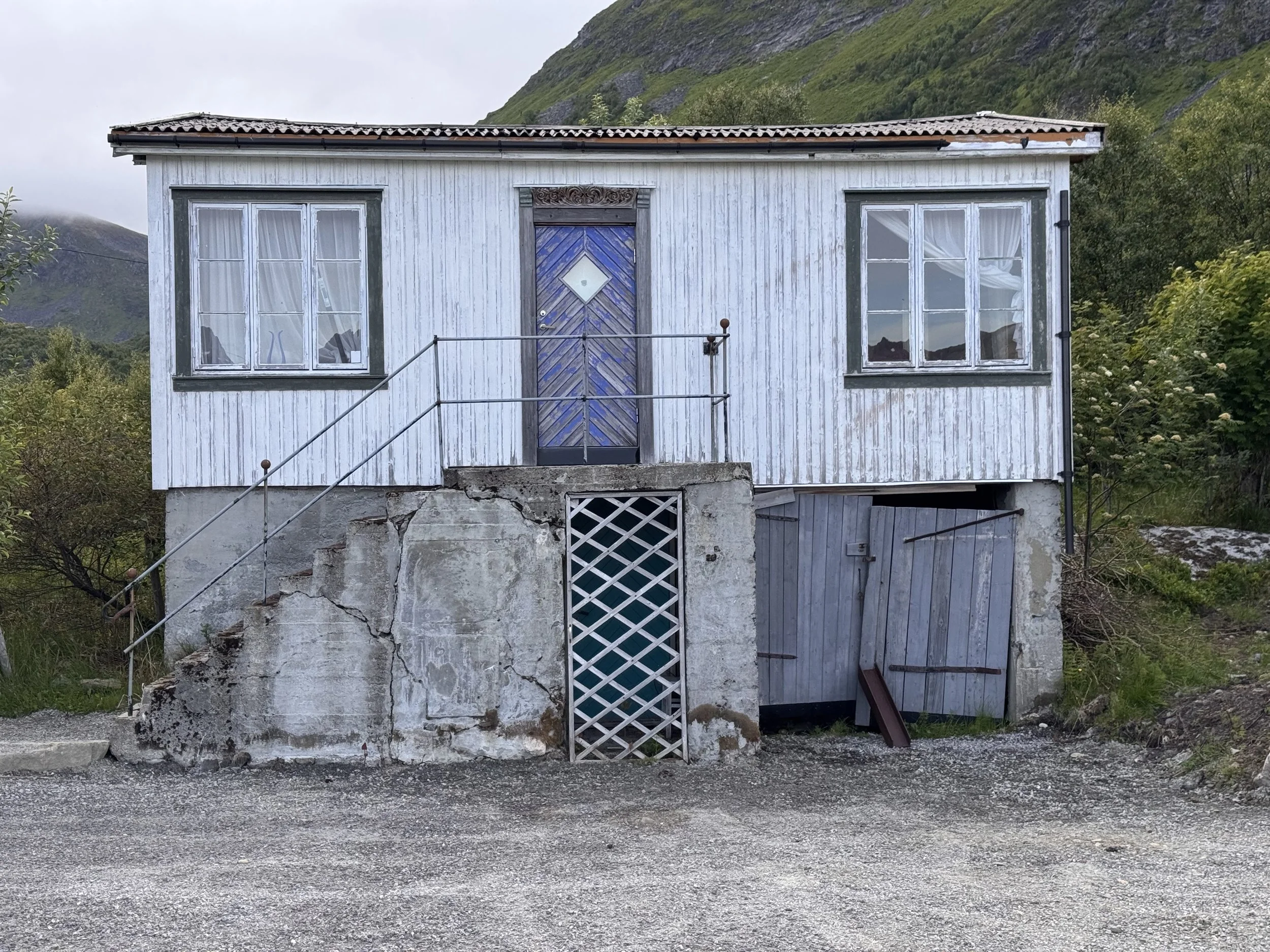
Starting at Hadseløya and ferrying to Austvågøy, the first of the Lofoten islands. Then on to Gimsøya and Vestvågøy. Blissful break at Svolvær. Main roads are busy, but the designated national cycle route is just what you wish for. Little traffic and breathtaking views. Almost ran out of backlight battery, not what you want to happen with all the tunnels. The bridges are surprisingly stressful. Long, steep and narrow and hardly a sidewalk to bike on. Causes a long line of cars when cyclists are crossing.
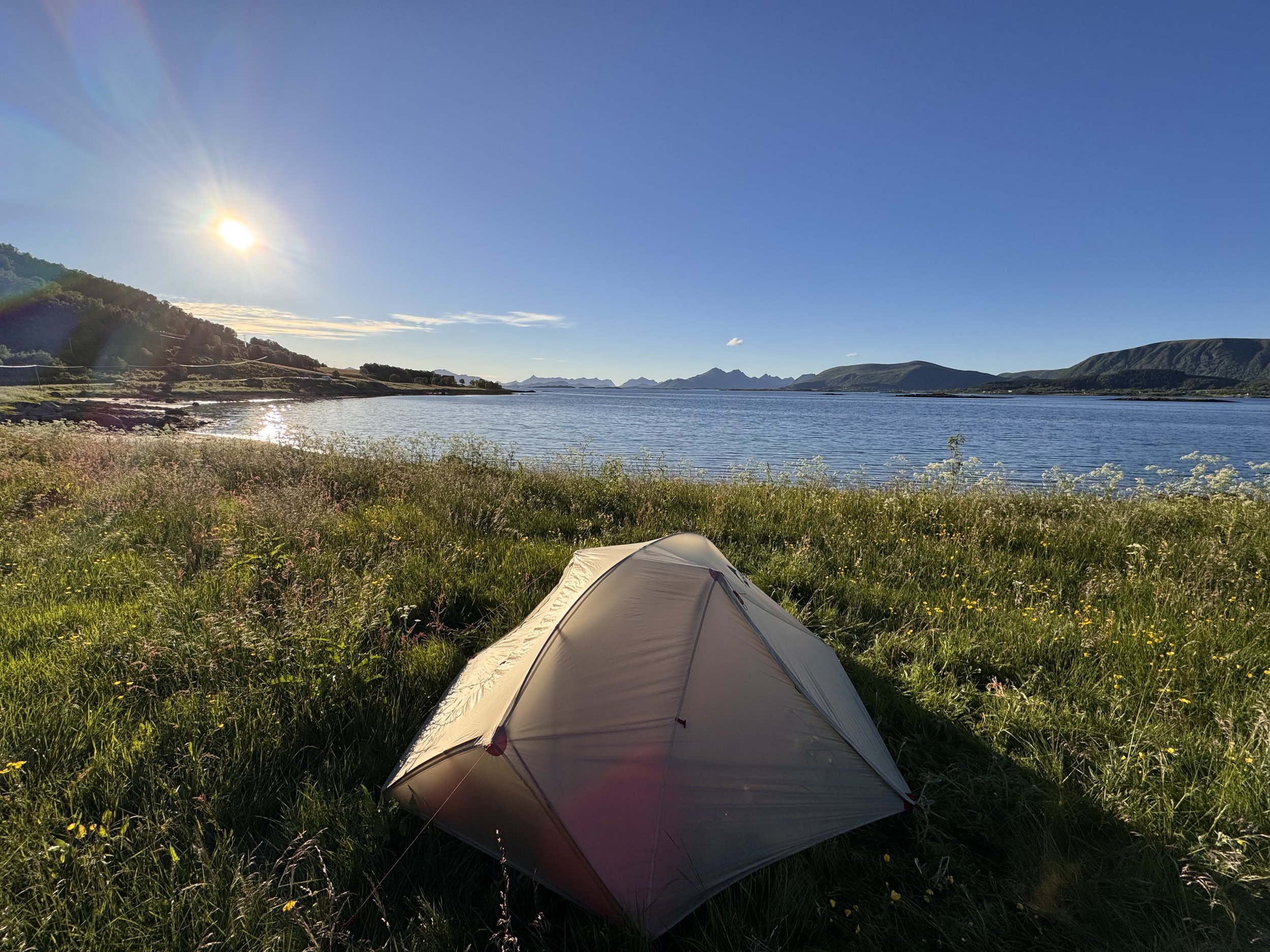
Day 03 Stave-Stokmarknes
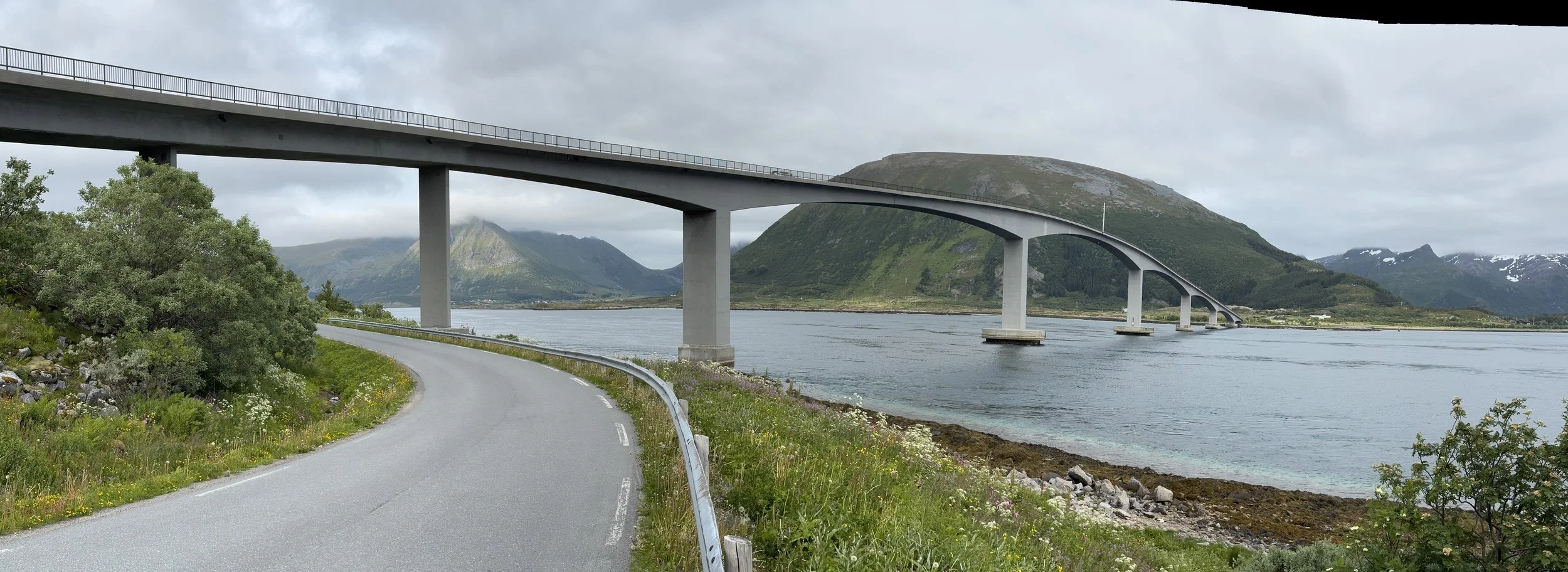
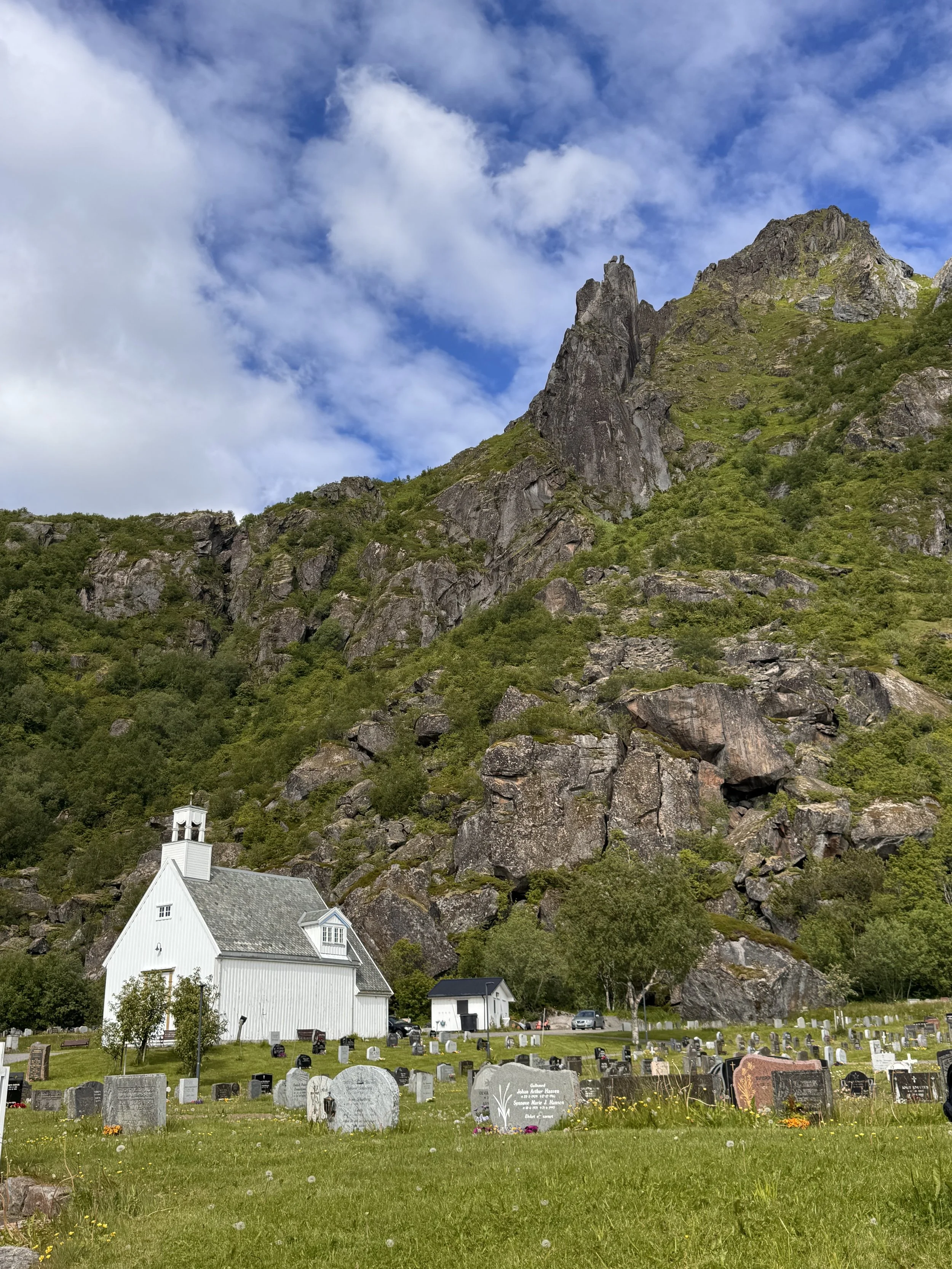
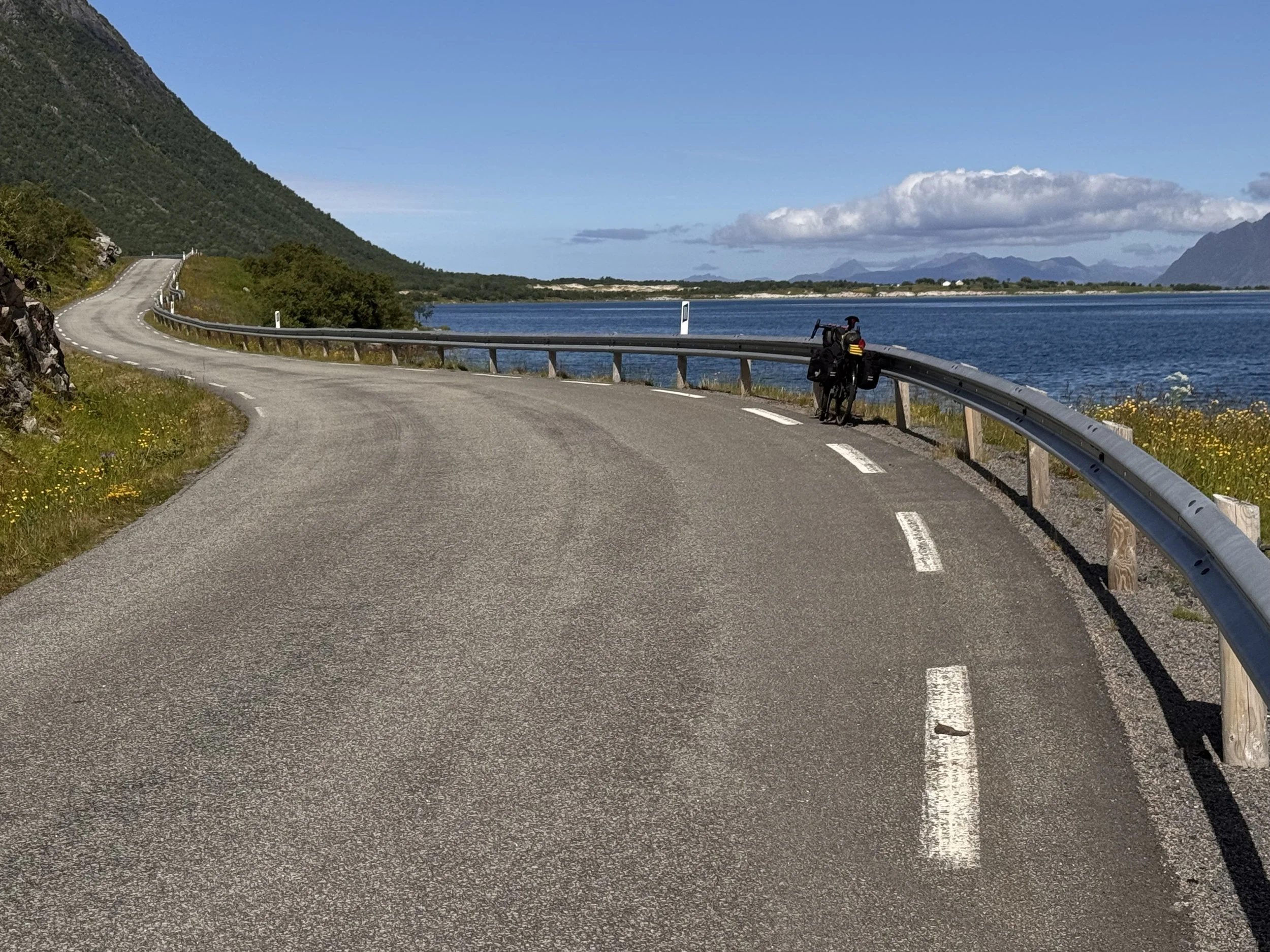
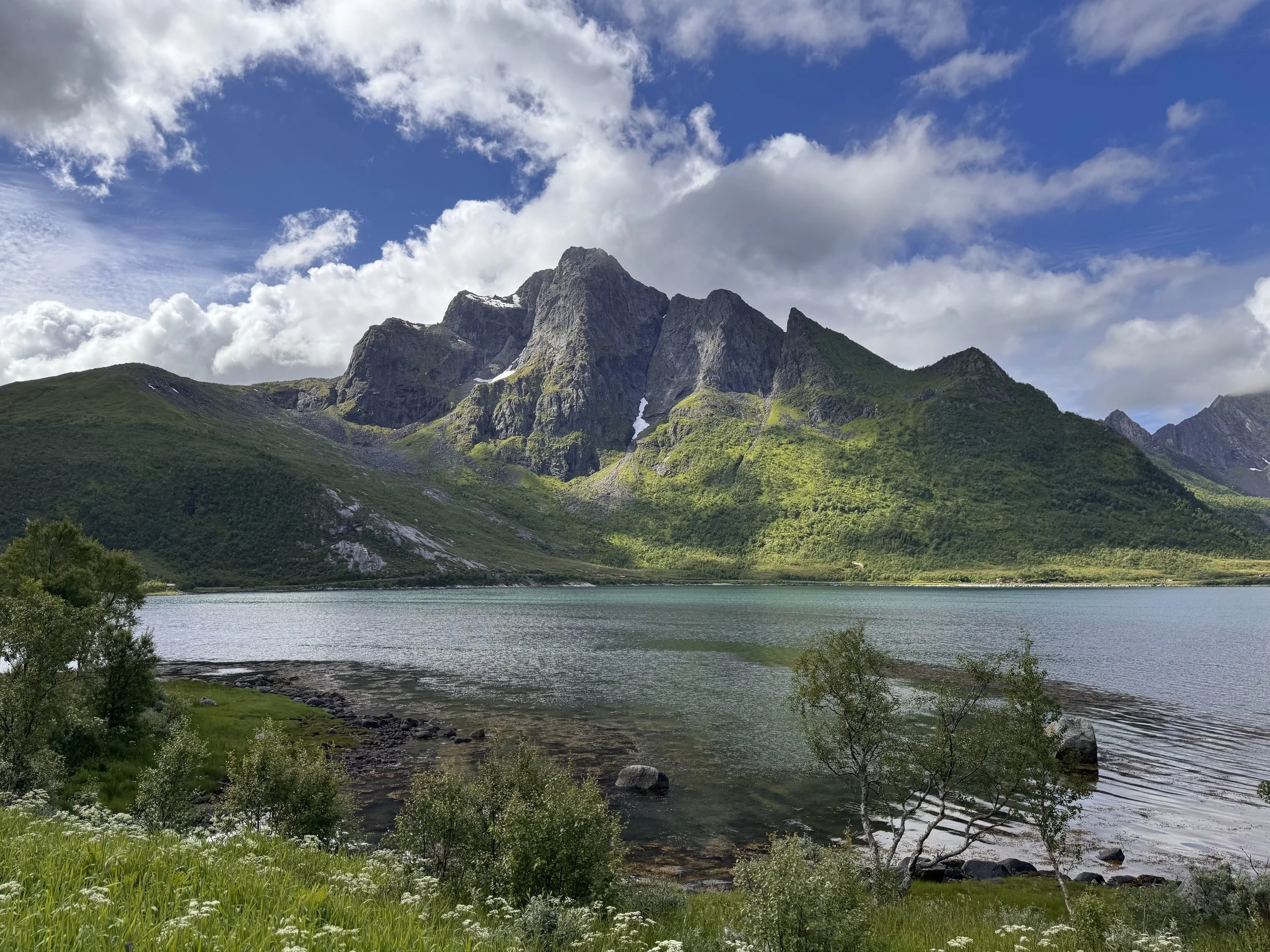
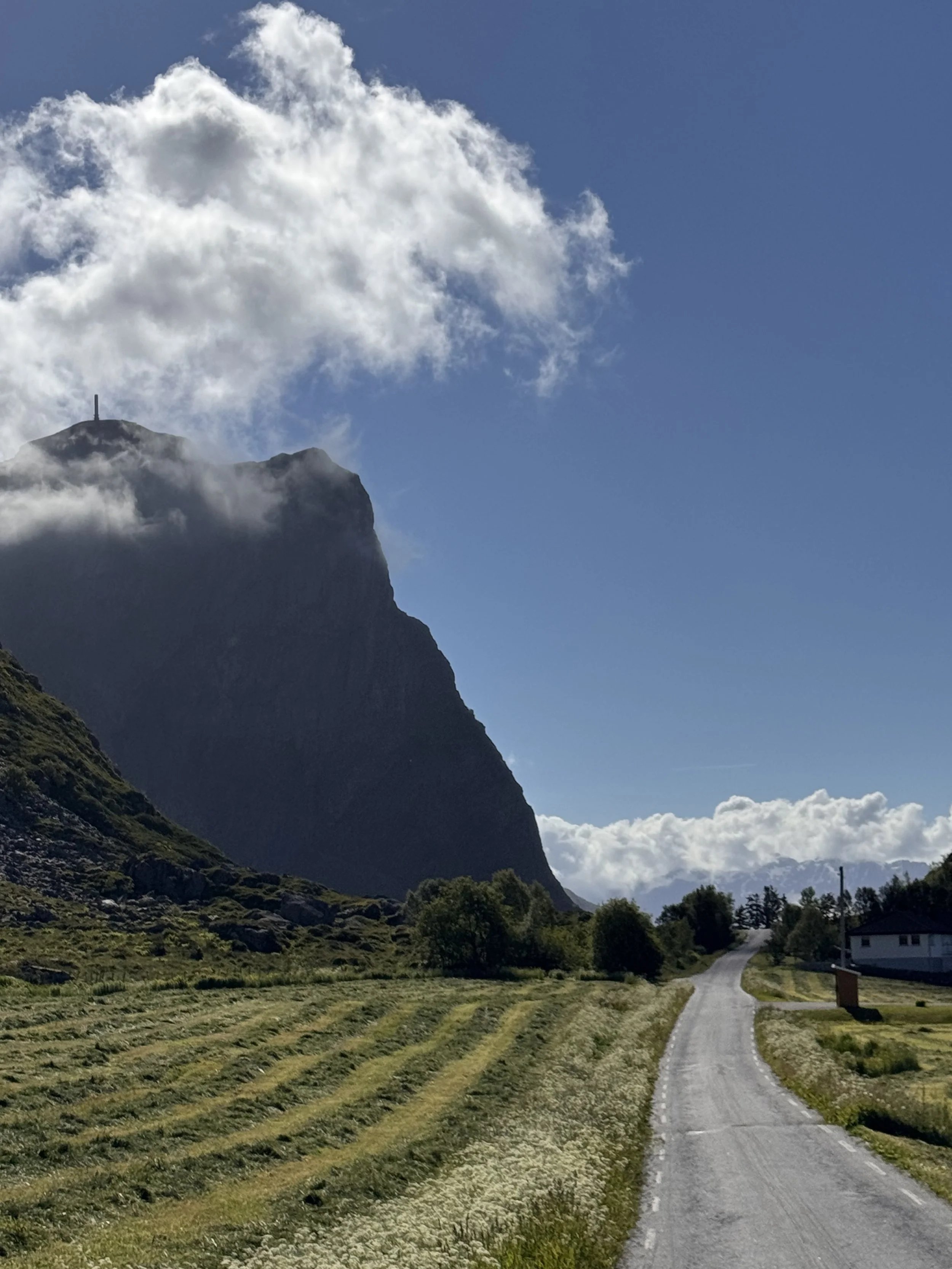
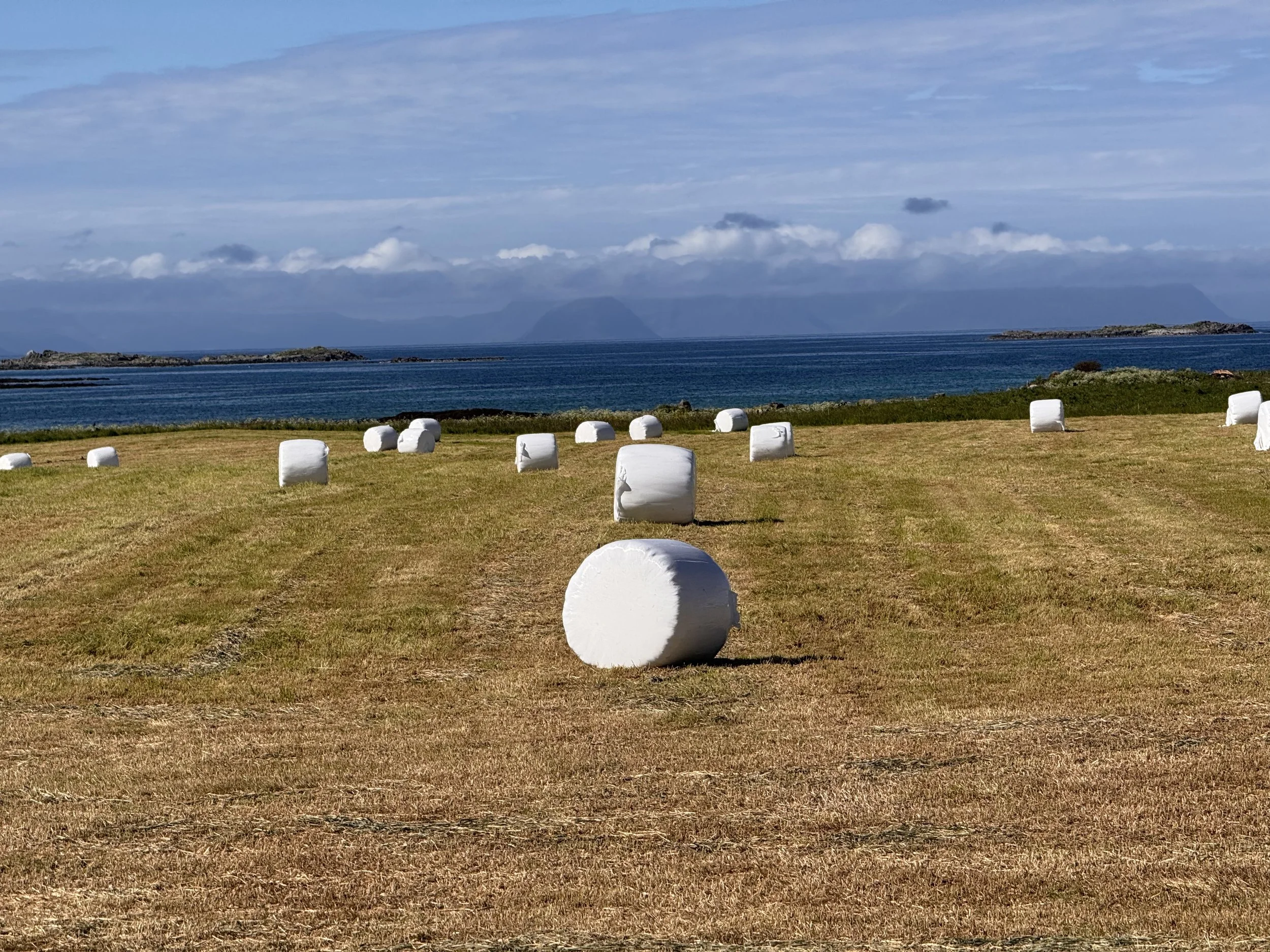
Best day so far. No ferries to catch. Just bridges. Amazing scenery. Sunny and clear skies. Chilly wind from the North giving a friendly push from behind. Social highlight of the day was half an hour chat with one of the locals outside Joker at Risøyhamn.
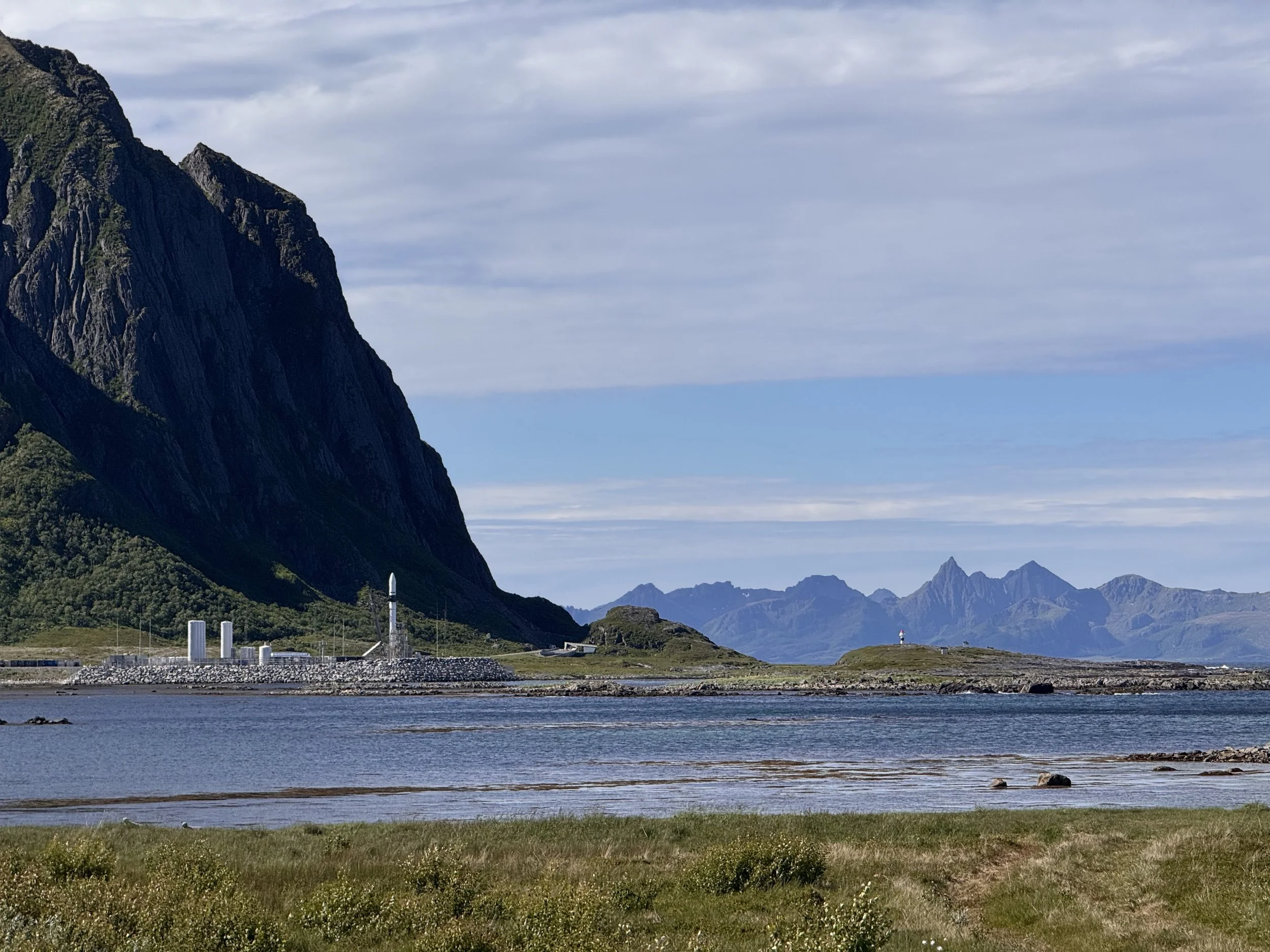
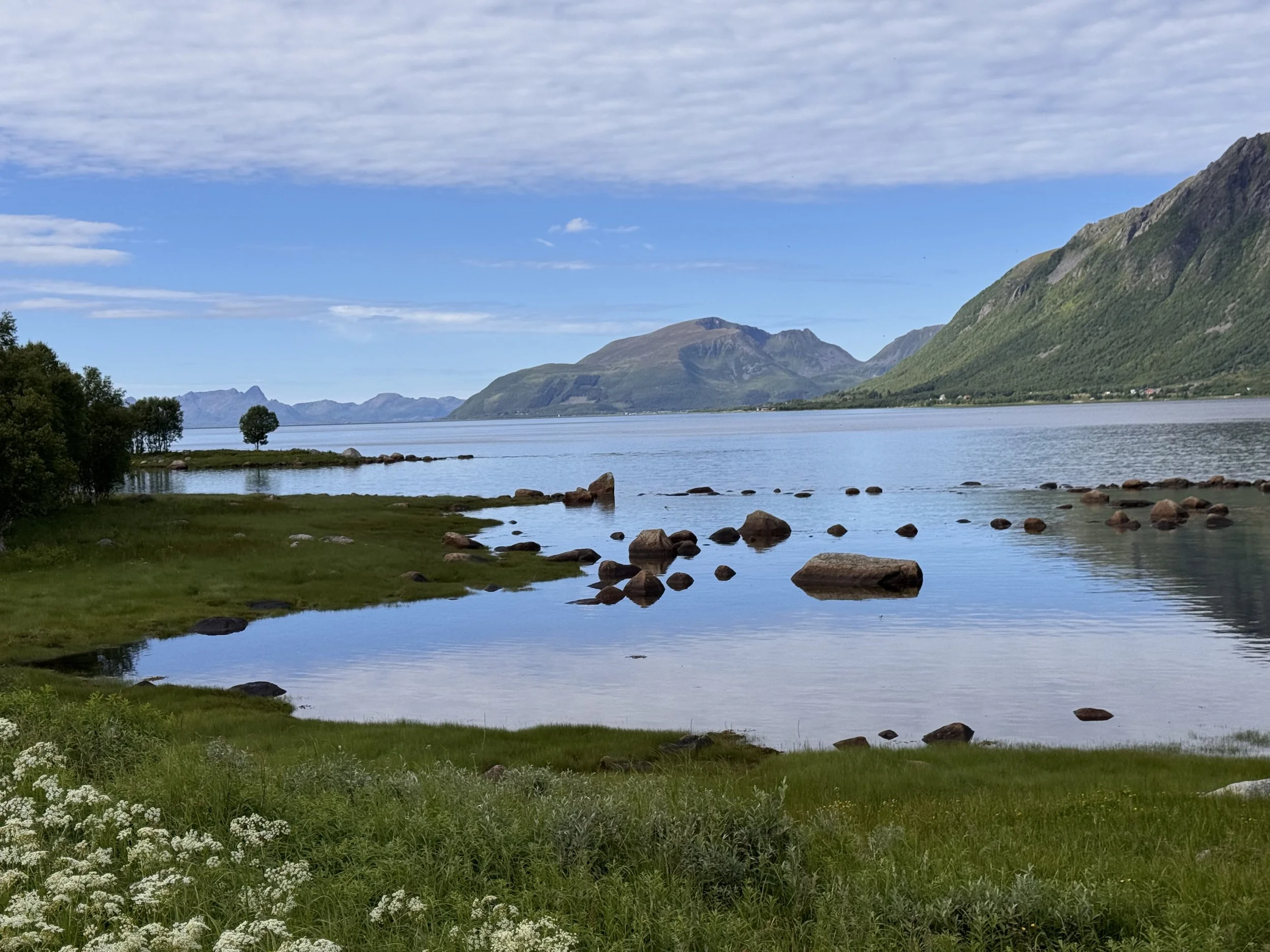
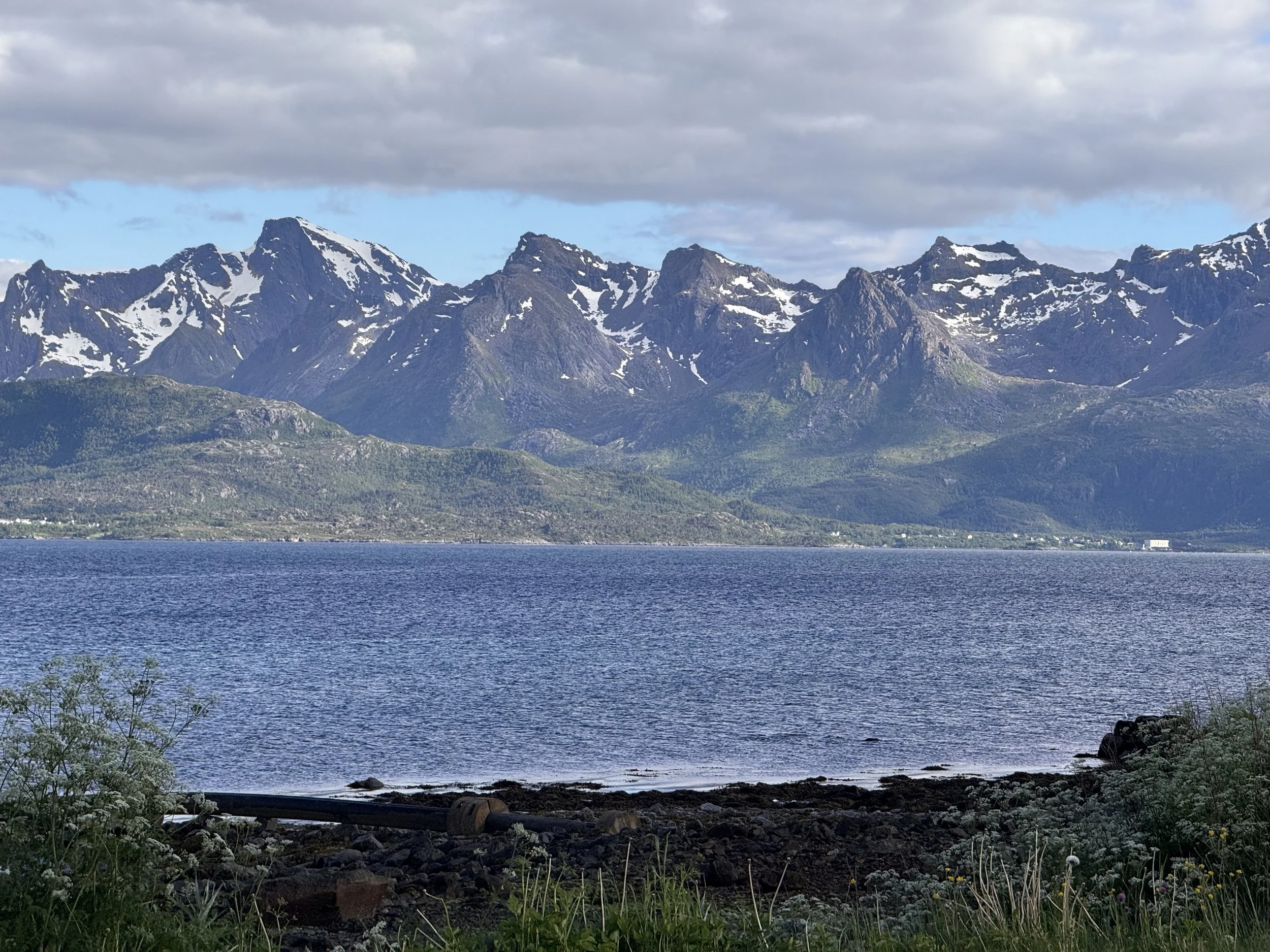
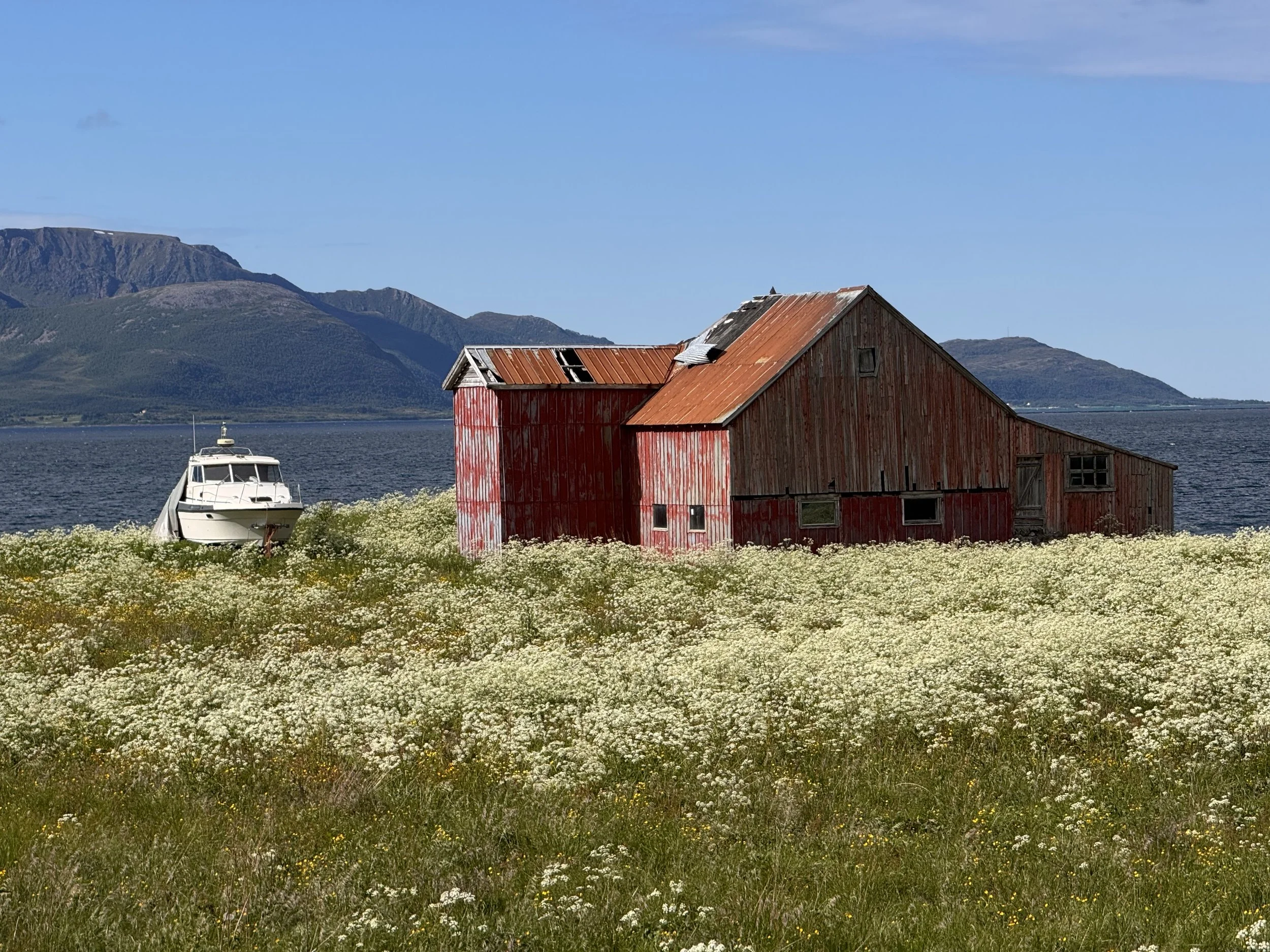
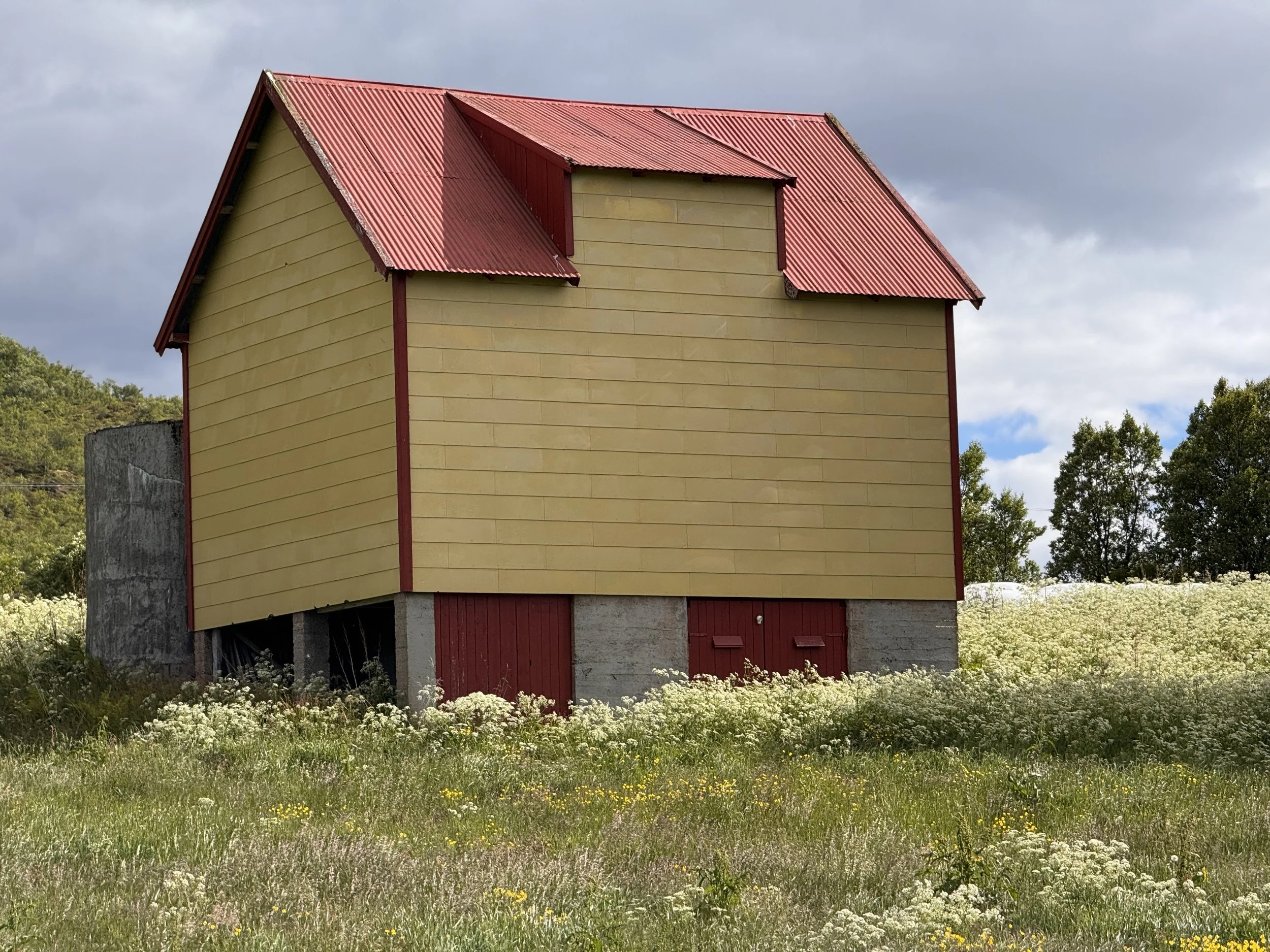
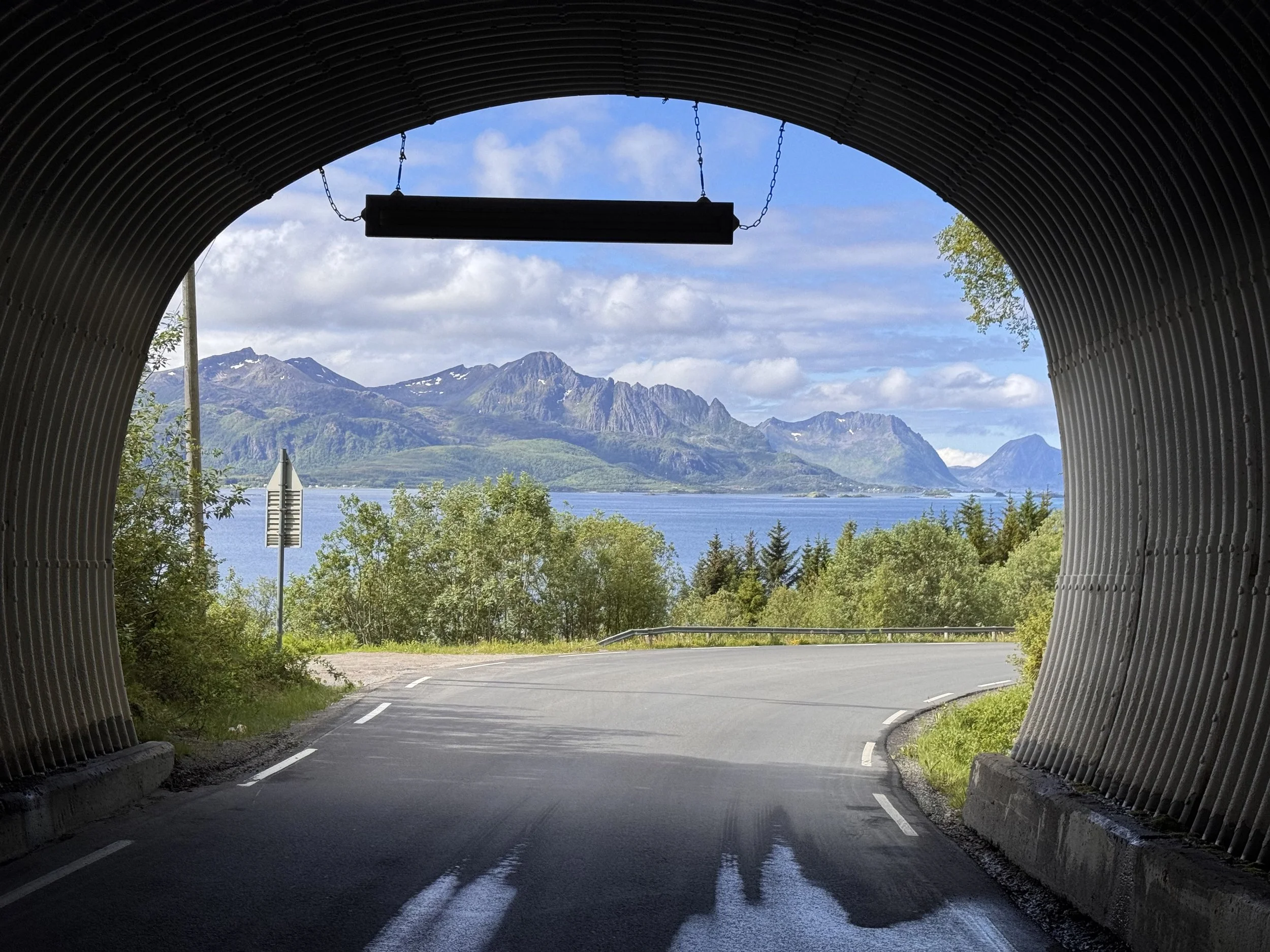
Day 02 Ersfjord-Stave
Sweet and sunny day. Chilly, but no problem with long sleeves. Lovely fresh bakery at the 24/7 store in Skaland. Long breaks to wait for the only afternoon ferry from Gryllefjord to Andenes at 1900.
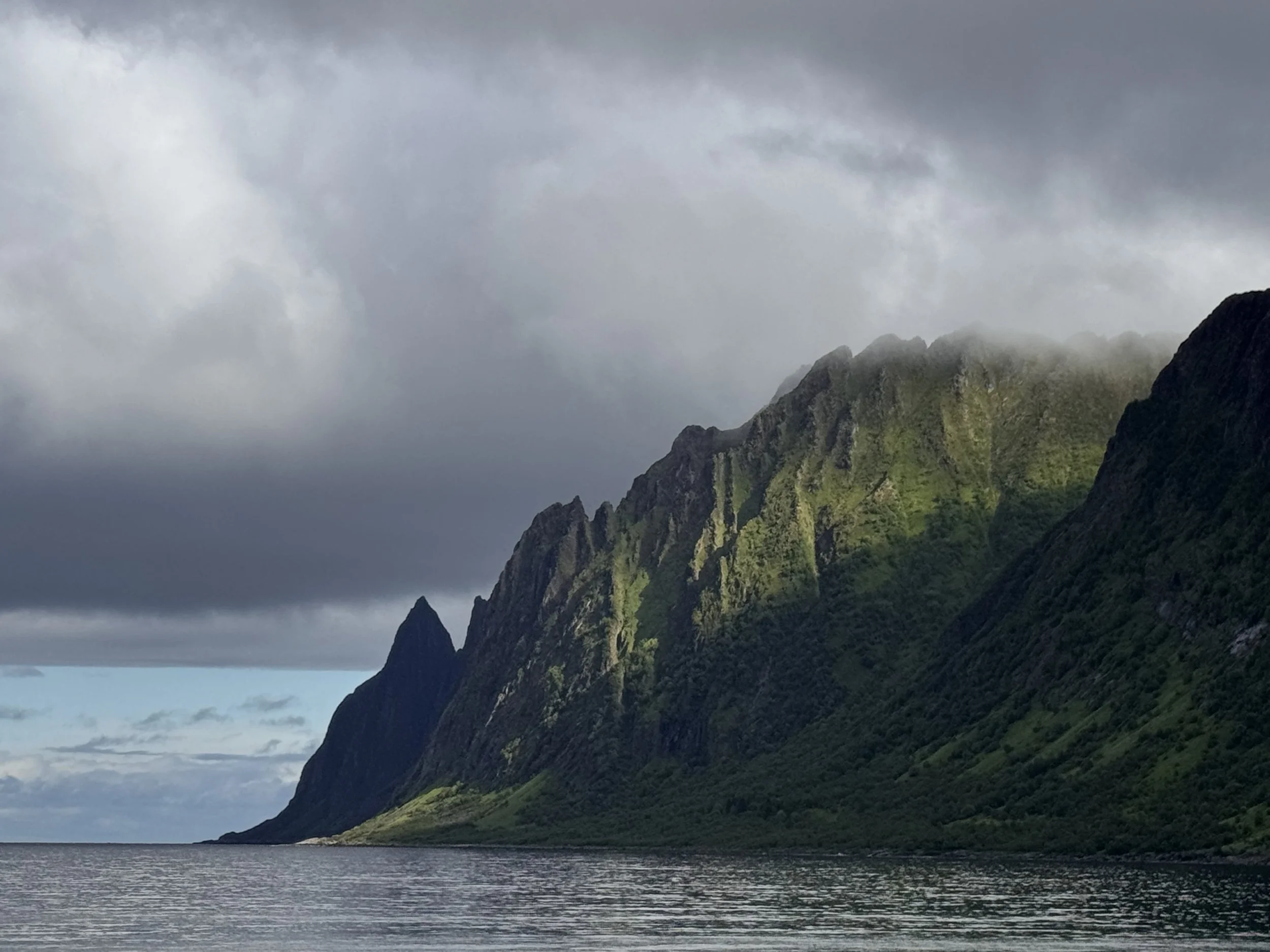
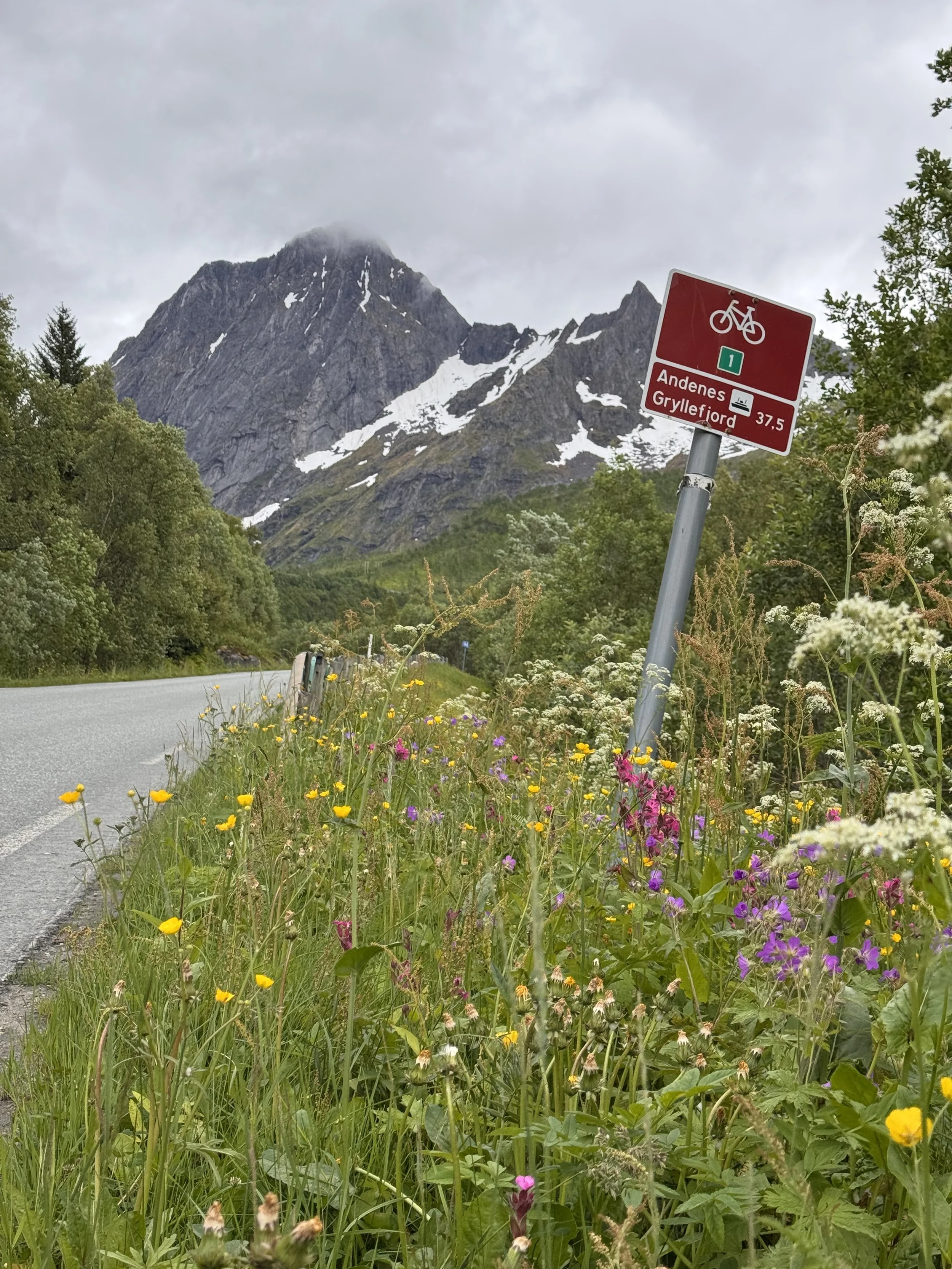
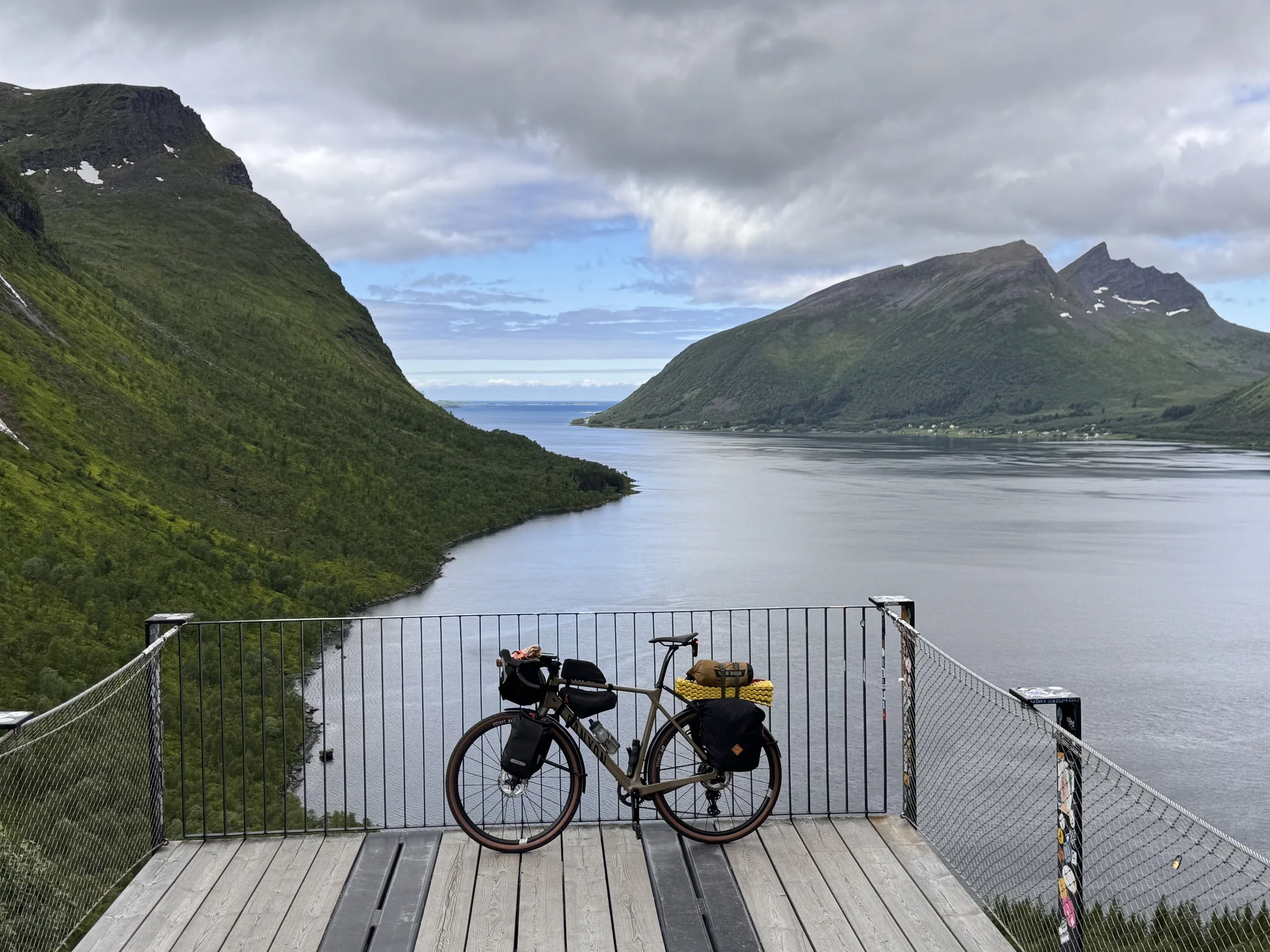
Day 01 Tromsø-Ersfjord
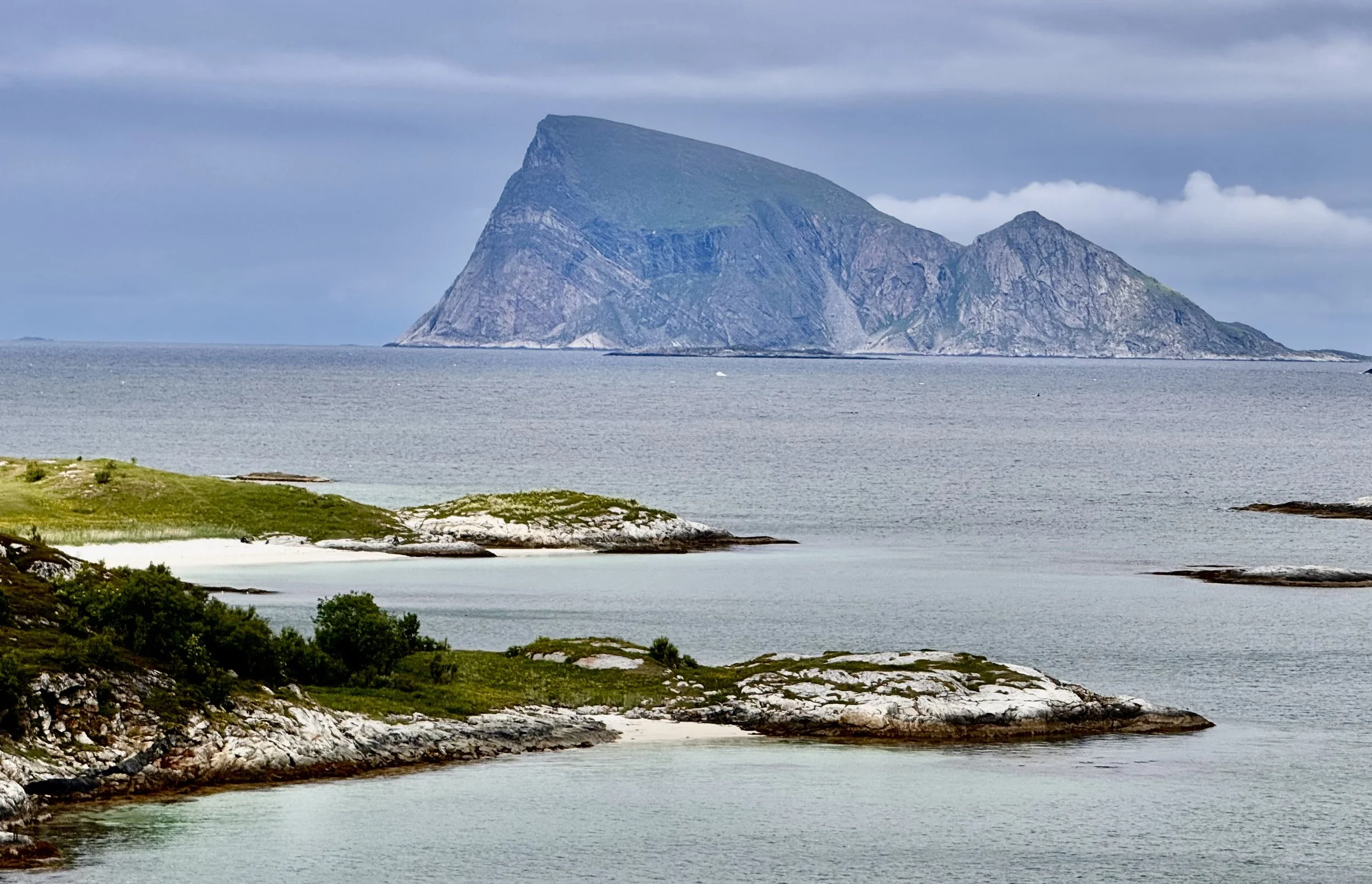
Finally on my way. Nice and windy ride across Kvaløya. Bonus detour to Sommarøya while waiting for the ferry to Senja.
Finally on my way after shipping my work stuff. Nice and windy ride across Kvaløya. Bonus detour to Sommarøya while waiting for the ferry to Senja.
Day 0—Getting ready
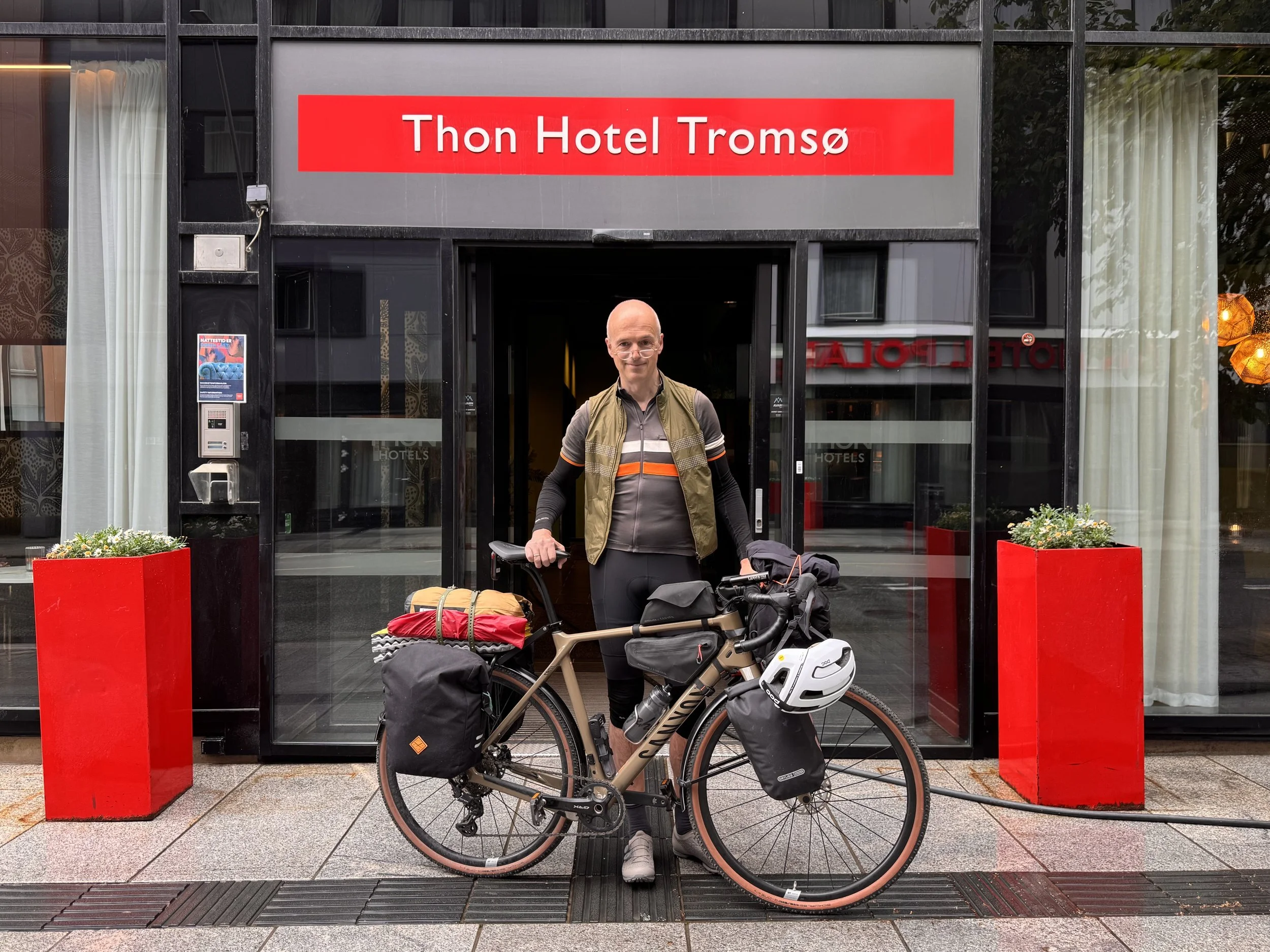
Finally here. Rolling out from Tromsø tomorrow, heading South towards Trondheim. About 1.400 km later I will be there. Perhaps. Wish me luck.
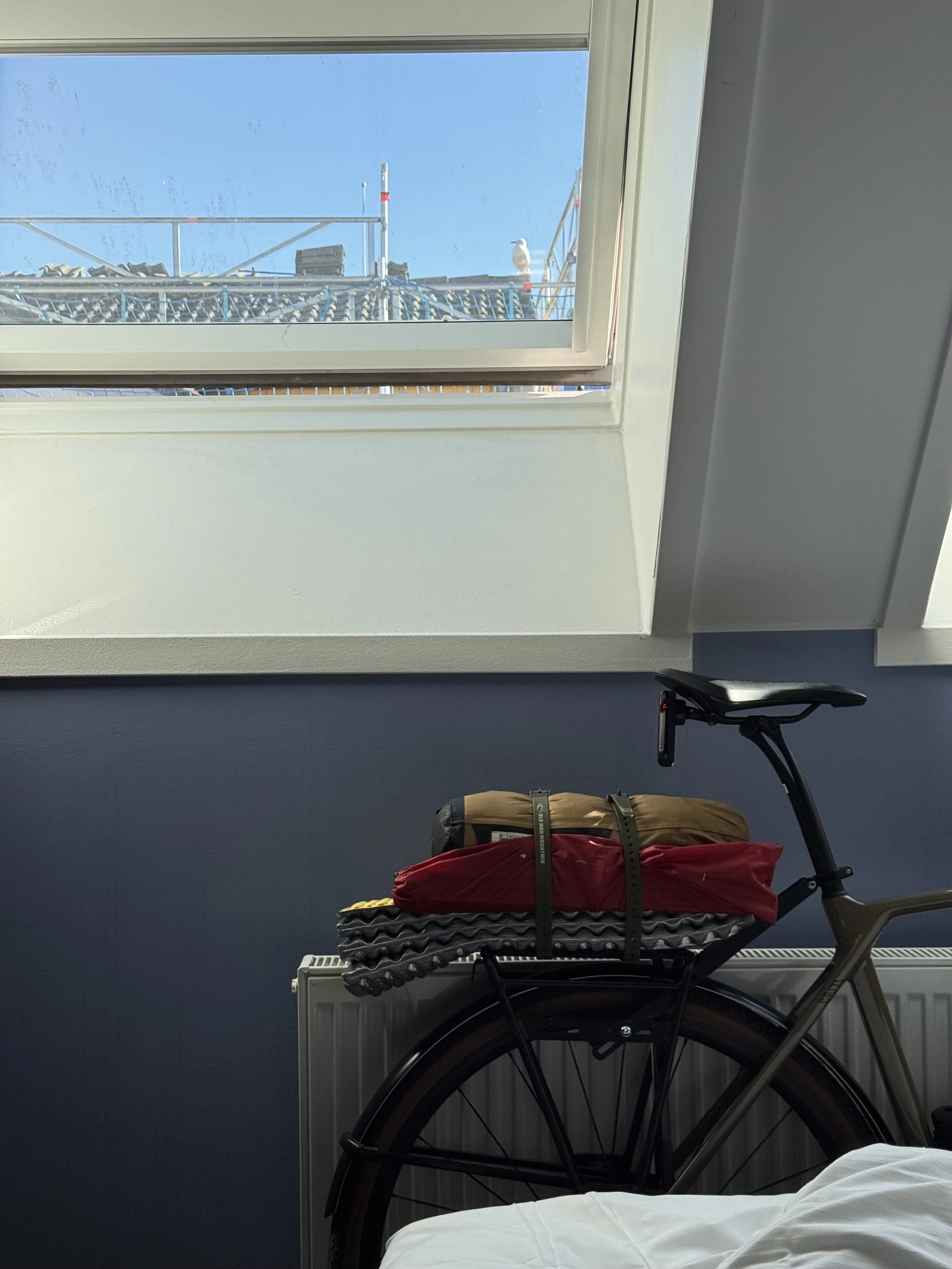
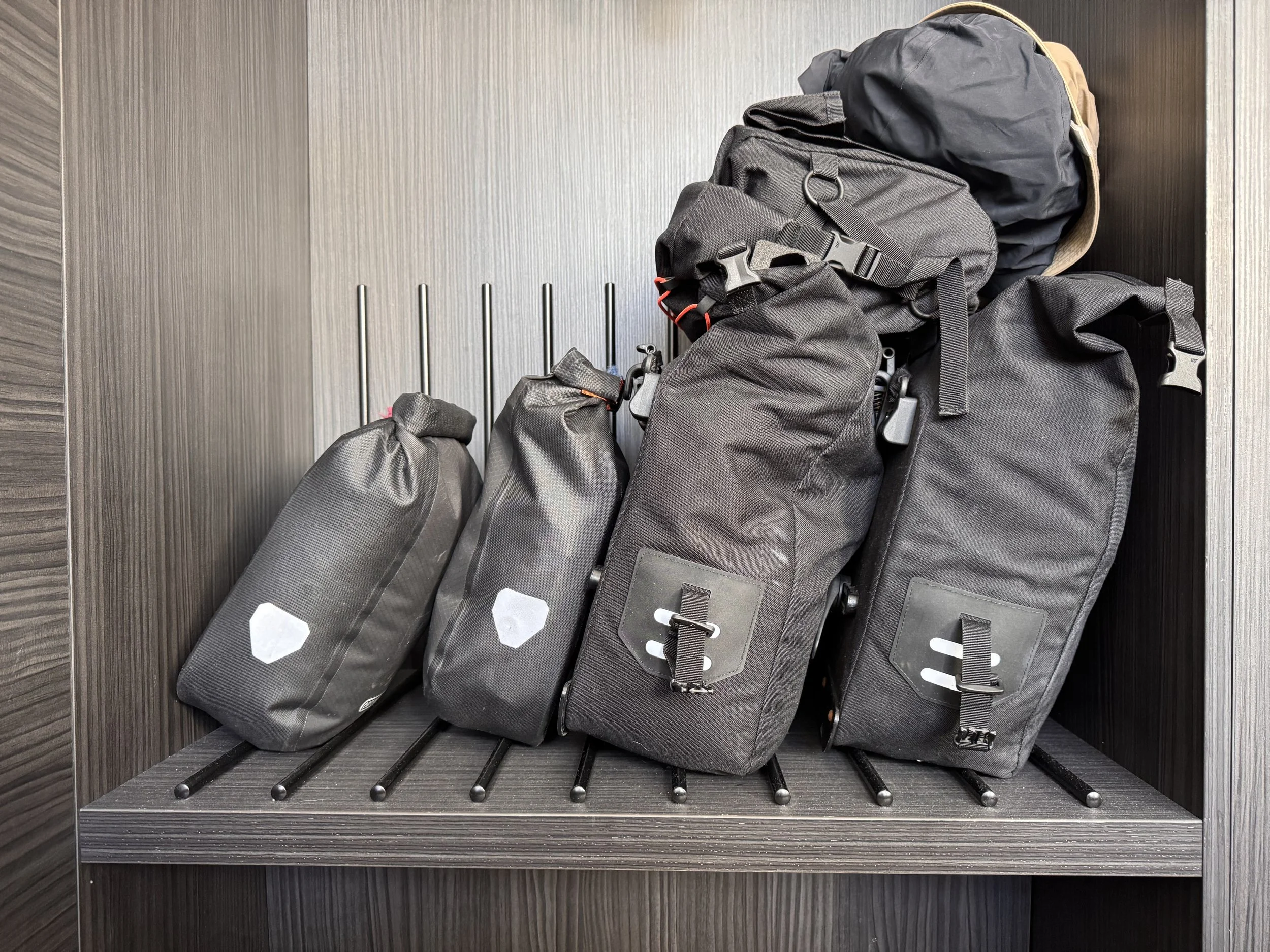
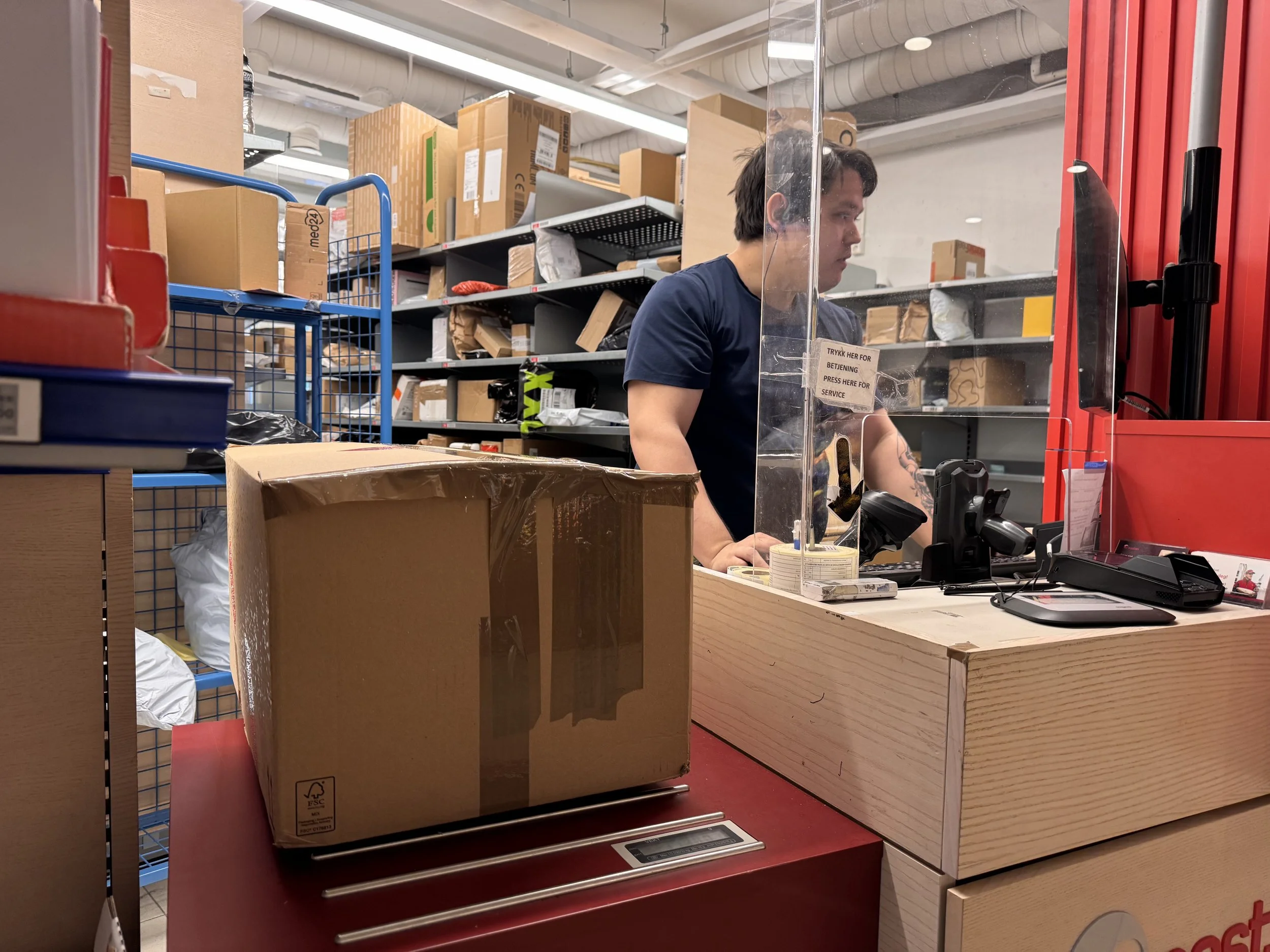
All the stuff is here. Last day of work behind me. Now all that remain is to get out of the city clothes and into a more proper outfit. All work stuff to be boxed up and shipped home to Oslo. Lets gets started.